
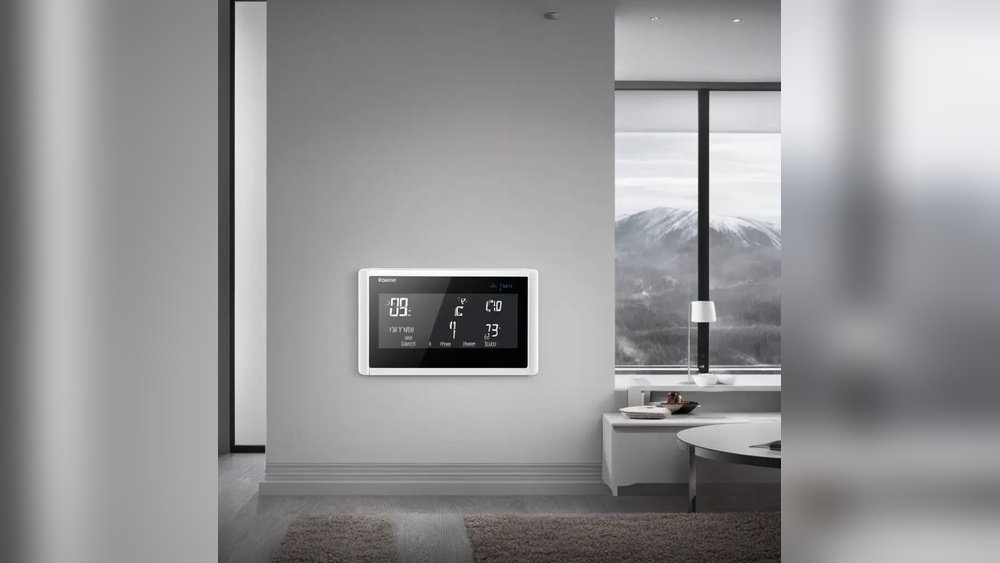
Check Best Thermostat Pricing in Amazon
** As an Amazon Associate, I earn from qualifying purchases.
Have you ever wondered why your heater suddenly stops working on the coldest day? One common culprit might be a bad thermostat.
If you’re feeling chilly and your heating system isn’t kicking in, your thermostat could be the hidden cause. Understanding how a faulty thermostat affects your heat can save you time, money, and frustration. Keep reading to find out if your thermostat is to blame and what you can do about it.

Credit: www.reddit.com
How A Thermostat Controls Heating
A thermostat plays a key role in keeping your home warm. It tells the heating system when to turn on or off. Without it, your furnace wouldn’t know when to work. Understanding how a thermostat controls heating helps you see why a bad thermostat can cause no heat.
The thermostat acts as the home’s temperature guide. It senses the room temperature and compares it to the setting you choose. When the room is colder than the set temperature, the thermostat signals the furnace to start heating.
Thermostat Basics
A thermostat has a sensor that reads the air temperature. You set your desired temperature on it. The thermostat checks if the room is warmer or colder than this setting. It uses this information to control the heating system.
When the room is too cold, the thermostat sends a command to the furnace. If the room is warm enough, it tells the furnace to stop. This simple control keeps your home comfortable.
Signal To The Furnace
The thermostat sends an electrical signal to the furnace. This signal tells the furnace to start or stop heating. The furnace will only run when the thermostat asks it to.
If the thermostat is broken, it might not send the signal. That means the furnace never turns on. This can cause no heat in your home, even if the furnace is working fine.
Common Thermostat Types
There are several types of thermostats. The most common are manual, programmable, and smart thermostats. Manual thermostats require you to adjust the temperature by hand.
Programmable thermostats let you set schedules for heating. Smart thermostats connect to the internet and learn your habits. Each type controls heating differently but all send signals to the furnace.
Symptoms Of A Faulty Thermostat
A faulty thermostat can cause many problems with your heating system. Knowing the signs helps you find the issue quickly. It saves time and money on repairs. Here are common symptoms that show your thermostat might be bad.
No Heat Despite Settings
Your thermostat may show the right temperature. You set it to heat, but no warm air comes out. The furnace does not start. The thermostat might fail to send the signal to the heater. This problem stops your home from warming up.
Inconsistent Temperature
The room feels too hot or too cold without reason. The thermostat might read the wrong temperature. It turns the heat on and off at the wrong times. This causes discomfort and wastes energy. The thermostat cannot keep the temperature steady.
Furnace Cycling Issues
The furnace turns on and off too often or too little. This is called short cycling or long cycling. A bad thermostat can cause these problems. It confuses the furnace about when to run. This wastes energy and can damage the heating system.
Other Reasons For No Heat
Sometimes, a bad thermostat is not the only reason your heating system fails. Other problems can stop your home from getting warm. These issues may hide behind the scenes but are important to check. Understanding these can help you fix no heat problems faster.
Furnace Problems
The furnace may have a mechanical or electrical fault. Parts like the blower motor or heat exchanger can break. This stops the furnace from creating or moving warm air. Strange noises or smells often point to furnace trouble. Regular maintenance keeps your furnace running well.
Power Supply Issues
Your heater needs steady power to work. A tripped breaker or blown fuse can cut power to the furnace. Loose wiring or a dead battery in the thermostat also causes no heat. Always check your home’s electrical panel and connections first.
Check Best Thermostat Pricing in Amazon
** As an Amazon Associate, I earn from qualifying purchases.
Clogged Air Filters
Dirty air filters block airflow in your heating system. This makes the furnace work harder and may shut it down. Replacing or cleaning filters regularly improves air quality and heat flow. This simple step prevents many common heating problems.

Credit: www.youtube.com
Testing Your Thermostat
Testing your thermostat is the first step to find out why your heating is not working. A bad thermostat can stop the heat from turning on. Checking it carefully helps you fix the problem quickly. Follow these simple steps to test your thermostat safely.
Manual Reset
Locate the reset button on your thermostat. Press and hold it for a few seconds. This can clear small errors or glitches inside the device. After resetting, set the thermostat to heat mode. Check if the heating system turns on. This step often solves minor issues.
Battery Check
Many thermostats use batteries to work. Open the thermostat cover and remove the batteries. Test the batteries with a battery tester or replace them with new ones. Weak or dead batteries can cause the thermostat to stop working. Put the batteries back and see if the heat starts.
Wiring Inspection
Turn off power to your heating system before inspecting wires. Remove the thermostat cover to see the wiring. Look for loose, disconnected, or damaged wires. Tighten any loose wires carefully. Damaged wires may need professional repair. Proper wiring ensures the thermostat controls the heat correctly.
Replacing A Bad Thermostat
Replacing a bad thermostat can restore heat quickly. A faulty thermostat often causes no heat in your home. Fixing it is usually straightforward and saves money. Knowing how to pick and install a new thermostat helps you stay warm.
Choosing The Right Thermostat
Select a thermostat that fits your heating system. Basic models offer simple temperature control. Programmable thermostats save energy by setting schedules. Smart thermostats connect to Wi-Fi for remote control. Check compatibility with your furnace before buying.
Installation Tips
Turn off power to your heating system before starting. Remove the old thermostat carefully, noting wire locations. Match wires to the new thermostat terminals exactly. Use the instruction manual for proper setup. Mount the thermostat on an interior wall away from drafts.
When To Call A Professional
Call a professional if wiring looks complicated or unsafe. If the heating system still won’t turn on, get expert help. A technician ensures the thermostat and furnace work well together. Avoid damage to your system by seeking professional service when unsure.
Credit: www.familyhandyman.com
Frequently Asked Questions
Can A Faulty Thermostat Stop The Heater From Working?
Yes, a faulty thermostat can prevent the heater from turning on. It may fail to signal the heating system, causing no heat output.
How To Know If Thermostat Causes No Heat?
Check if the thermostat display is blank or unresponsive. Also, verify if changing settings affects the heater’s operation.
Will Replacing A Bad Thermostat Restore Heat?
Replacing a faulty thermostat often restores proper heating function. It ensures accurate temperature control and signals the heater to operate correctly.
Can Thermostat Issues Cause Intermittent Heating Problems?
Yes, a malfunctioning thermostat can cause inconsistent heating. It may turn the heater on and off irregularly, leading to temperature fluctuations.
Conclusion
A bad thermostat can stop your heater from working. It controls when the heat turns on and off. If it breaks, no heat may come out. Checking the thermostat is a smart first step. Fixing or replacing it can bring warmth back fast.
Don’t ignore signs like no heat or strange temperatures. A working thermostat keeps your home cozy all winter. Stay warm by keeping this small part in good shape. Simple care can save bigger problems later.
Check Best Thermostat Pricing in Amazon
** As an Amazon Associate, I earn from qualifying purchases.