
Check Best Thermostat Pricing in Amazon
** As an Amazon Associate, I earn from qualifying purchases.
Have you ever wondered what controls the flow of refrigerant in your air conditioner or refrigerator, keeping things cool and comfortable? The secret lies in a small but powerful device called the thermostatic expansion valve (TXV).
Understanding how a thermostatic expansion valve works can help you appreciate how your cooling system stays efficient and reliable. You’ll discover exactly what this valve does, why it’s so important, and how it keeps your system running smoothly. Keep reading to unlock the key to better cooling performance and save yourself from common HVAC headaches.
Thermostatic Expansion Valve Basics
The thermostatic expansion valve (TXV) is a key part of many refrigeration systems. It controls the flow of refrigerant into the evaporator. This helps keep the system efficient and prevents damage. Understanding the basics of a TXV is important for anyone interested in refrigeration technology.
Role In Refrigeration Systems
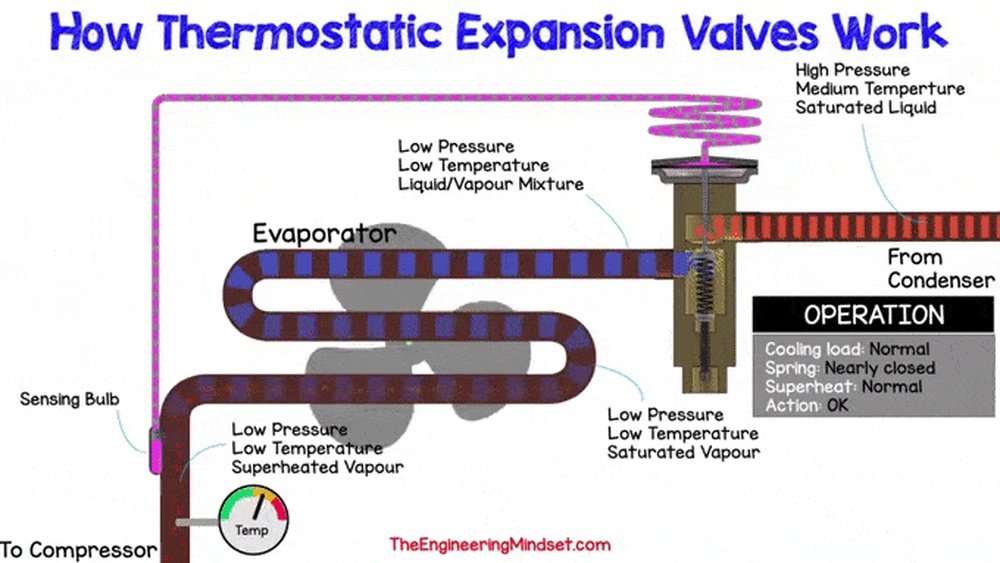
The TXV controls how much refrigerant enters the evaporator coil. It adjusts the flow based on the cooling load. This keeps the evaporator from flooding or running dry. The valve helps maintain steady cooling and protects the compressor from liquid refrigerant.
It senses the temperature of the refrigerant leaving the evaporator. This measurement helps the valve open or close as needed. The TXV keeps the system running smoothly and saves energy.
Key Components
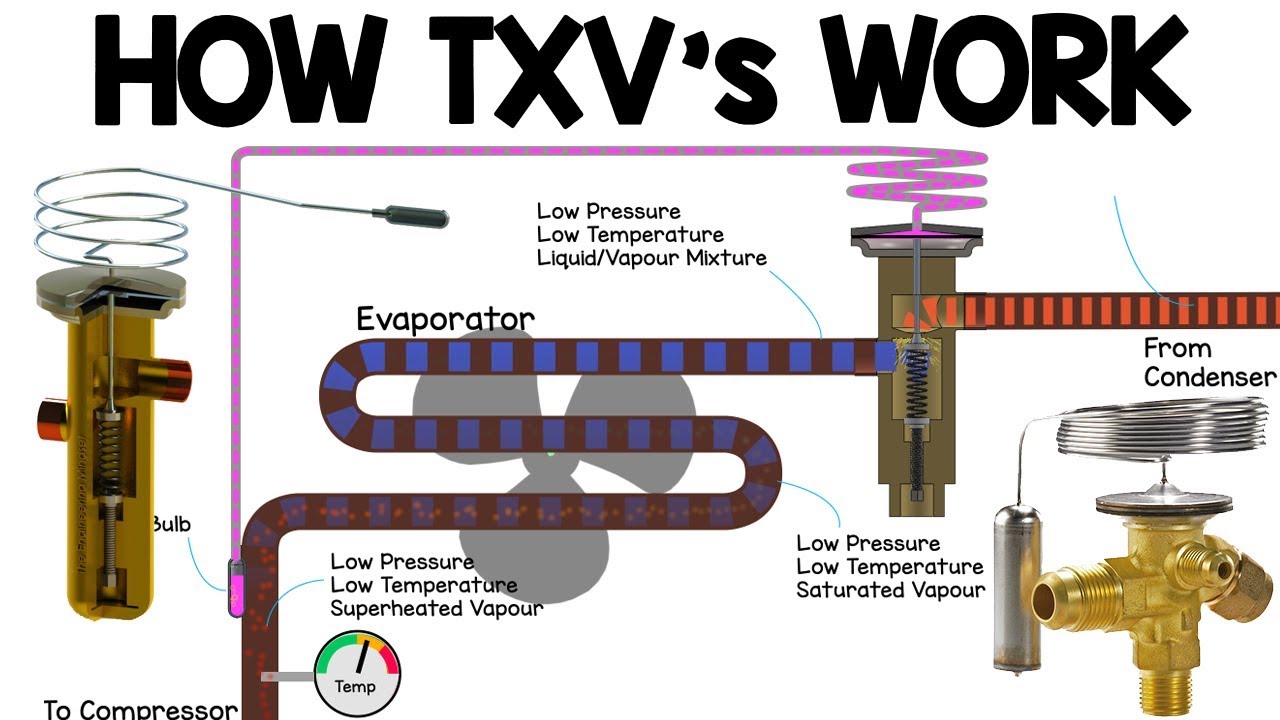
The main parts of a TXV include the sensing bulb, valve body, and diaphragm. The sensing bulb detects the temperature of the refrigerant. It is filled with a special fluid that expands or contracts with heat.
The valve body contains the needle and seat. These parts control the flow of refrigerant. The diaphragm connects the sensing bulb to the needle. It moves to adjust the valve opening based on temperature changes.
These components work together to regulate refrigerant flow. This balance keeps the refrigeration system stable and effective.
Credit: theengineeringmindset.com
Working Principle
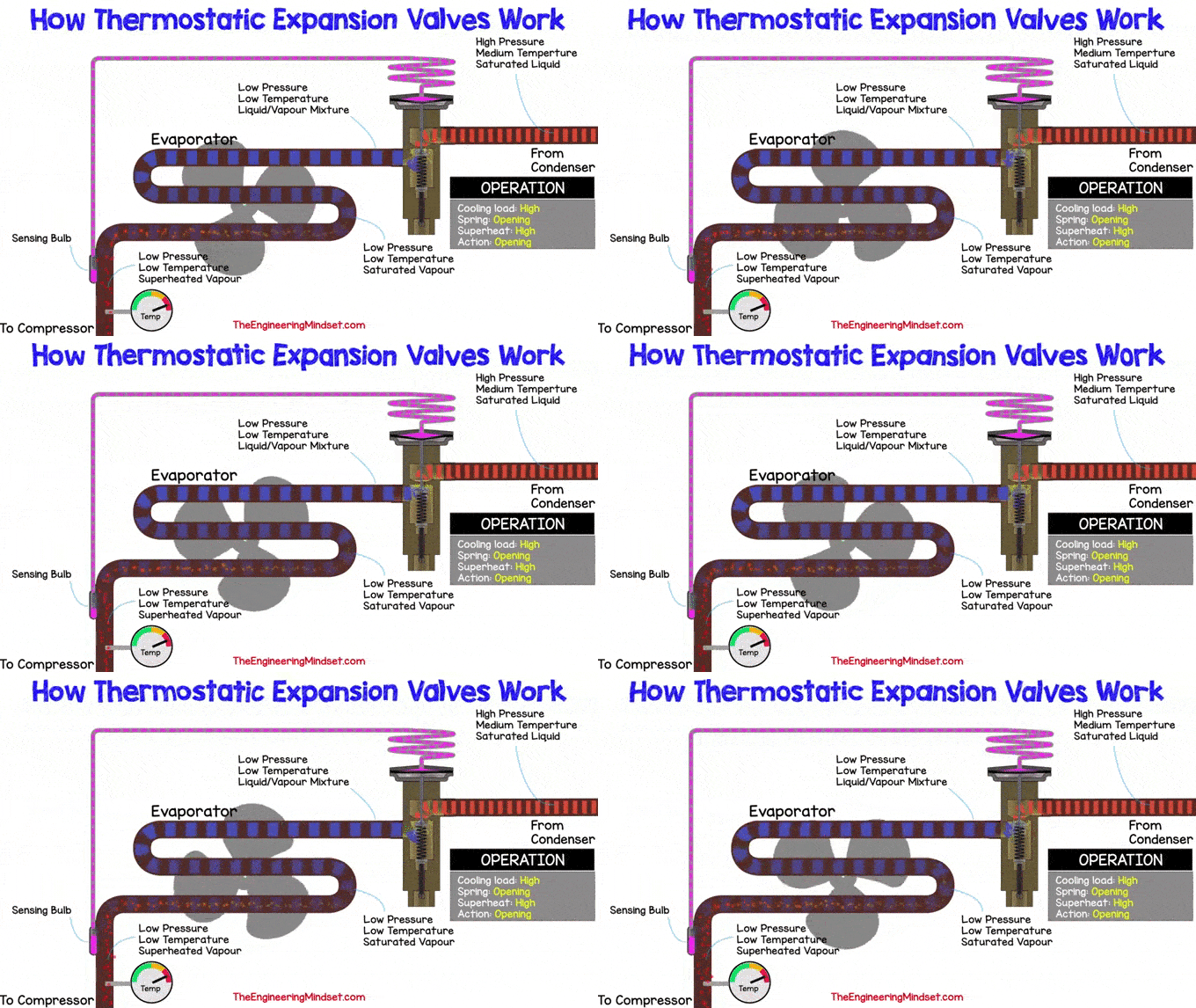
The thermostatic expansion valve (TXV) controls refrigerant flow in cooling systems. It adjusts the amount of refrigerant entering the evaporator. This keeps the system efficient and stable. The valve works based on pressure and temperature changes. It reacts to conditions in the evaporator to maintain balance.
Sensing Bulb Function
The sensing bulb is a key part of the TXV. It is filled with a special liquid. This liquid expands or contracts with temperature changes. The bulb senses the temperature of the refrigerant leaving the evaporator. Its pressure changes push on the valve mechanism. This action helps regulate refrigerant flow precisely.
Pressure And Temperature Interaction
The TXV balances three forces: bulb pressure, spring pressure, and evaporator pressure. The sensing bulb pressure rises with temperature. It pushes the valve open to increase flow. The spring applies constant pressure to keep the valve closed. Evaporator pressure pushes against the valve from the other side. This balance controls the valve’s position.
Regulating Refrigerant Flow
The valve opens or closes depending on the evaporator conditions. Higher temperature means more refrigerant is needed. The bulb pressure increases and opens the valve. Lower temperature reduces bulb pressure and closes the valve. This regulation ensures the evaporator gets just enough refrigerant. It prevents flooding or starving the system.
Types Of Thermostatic Expansion Valves
Thermostatic expansion valves control how much refrigerant flows into the evaporator. They keep the system balanced and efficient. These valves come in different types. Each type fits specific system needs. Understanding these types helps choose the right valve for your setup.
Balanced Pressure Valves
Balanced pressure valves keep the same pressure on both sides of the valve. They work well in systems with fluctuating pressures. This balance helps the valve control refrigerant flow smoothly. It prevents overfeeding or underfeeding the evaporator. These valves are common in larger HVAC systems. They offer steady performance and good efficiency.
Unbalanced Pressure Valves
Unbalanced pressure valves have different pressures on each side. They are simpler and less costly than balanced valves. These valves are best for systems with stable pressure conditions. They adjust refrigerant flow based on temperature changes only. These valves are easier to install and maintain. They fit small to medium systems where pressure stays steady.
Credit: www.youtube.com
Installation And Positioning
Installing a thermostatic expansion valve (TXV) correctly is key for its proper function. Positioning affects how well the valve controls refrigerant flow. Poor installation can cause system issues and reduce efficiency.
Focus on correct bulb placement and secure mounting. These steps ensure the TXV reacts properly to temperature changes and works reliably.
Proper Bulb Placement
The sensing bulb must touch the suction line firmly. This line carries refrigerant back to the compressor. Place the bulb on the top or side of the pipe.
Wrap the bulb with insulation to prevent false readings. Avoid direct sunlight or heat sources near the bulb. The bulb senses temperature and controls valve opening accordingly.
Mounting Tips
Mount the valve on the liquid line before the evaporator coil. Ensure the valve is level and stable. Use brackets or clamps to secure it firmly.
Keep the valve away from vibrations and excessive heat. Check for tight connections to prevent leaks. Proper mounting extends the valve’s lifespan and improves system performance.
Check Best Thermostat Pricing in Amazon
** As an Amazon Associate, I earn from qualifying purchases.
Common Issues And Troubleshooting
The thermostatic expansion valve (TXV) controls refrigerant flow in cooling systems. Sometimes, it faces issues that affect system performance. Knowing common problems helps fix the valve quickly. It saves time and prevents bigger damage.
Troubleshooting often starts by observing symptoms like frost, noise, or strange temperatures. These clues point to the valve’s condition. Repair or replace the valve if problems persist. Understanding each issue makes the process easier.
Frosting Problems
Frost forms on the valve when refrigerant flow is low. This can block the valve and reduce cooling. Frost appears as ice or white spots on the valve body.
Frosting means the valve may be stuck closed or the bulb is not sensing temperature well. Check for dirt or damage on the sensing bulb. Make sure the valve receives enough refrigerant pressure.
Valve Sticking
A sticking valve fails to open or close smoothly. It causes uneven cooling and system stress. The valve may stick due to dirt, corrosion, or wear inside the mechanism.
Clean the valve parts or replace the valve if cleaning does not help. Regular maintenance reduces the risk of sticking. Proper system charging also helps the valve work correctly.
Incorrect Superheat
Superheat is the temperature difference between refrigerant vapor and its boiling point. Incorrect superheat means the valve is not regulating refrigerant properly.
Too low superheat causes liquid refrigerant to enter the compressor, risking damage. Too high superheat means not enough refrigerant cools the system.
Adjust the valve or check the sensing bulb placement. Use a gauge to measure superheat and ensure correct settings. This keeps the system safe and efficient.
Maintenance Practices
Maintaining a thermostatic expansion valve (TXV) ensures it works well and lasts longer. Regular care stops problems before they start. Simple steps keep the valve clean and running smoothly. These practices improve cooling performance and save energy.
Cleaning Procedures
Clean the TXV to remove dirt and debris. Use a soft brush or cloth gently. Avoid harsh chemicals that damage the valve. Flush the system with clean refrigerant if needed. Cleaning prevents blockages and helps the valve control flow correctly.
Inspection Checklist
Check the TXV regularly for signs of wear or damage. Look for leaks around the valve body. Ensure the sensing bulb is secure and not damaged. Test the valve’s response to temperature changes. Inspect connections and tighten loose fittings. Early detection of issues avoids costly repairs.
Advantages Of Using A Thermostatic Expansion Valve
Thermostatic expansion valves (TXVs) play a vital role in cooling systems. They control the flow of refrigerant precisely. This control helps improve the system’s overall function and durability. Using a TXV brings several advantages that benefit both the system and the user.
Energy Efficiency
TXVs regulate refrigerant flow to match cooling needs exactly. This reduces energy waste by preventing too much or too little refrigerant from entering the evaporator. The result is a system that uses less power while maintaining the desired temperature. Energy savings can lower electricity bills and reduce environmental impact. TXVs help systems run smoothly and avoid energy spikes.
System Stability
By maintaining the right refrigerant level, TXVs keep the system stable. They prevent problems like freezing or overheating inside the cooling unit. Stable operation means fewer breakdowns and less wear on components. This stability extends the life of the system and reduces maintenance costs. A TXV ensures consistent performance, even under changing conditions.

Credit: en.wikipedia.org
Frequently Asked Questions
What Is The Main Function Of A Thermostatic Expansion Valve?
A thermostatic expansion valve controls refrigerant flow into the evaporator. It maintains optimal superheat for efficient cooling and prevents liquid refrigerant from entering the compressor.
How Does A Thermostatic Expansion Valve Regulate Refrigerant?
It senses evaporator temperature through a bulb and adjusts the valve opening. This changes refrigerant flow, ensuring the evaporator works efficiently without flooding or starving.
Why Is Superheat Control Important In A Thermostatic Expansion Valve?
Superheat control ensures all refrigerant evaporates before reaching the compressor. It protects the compressor from damage and improves overall system efficiency and reliability.
Where Is The Thermostatic Expansion Valve Located In Hvac Systems?
The valve is installed at the evaporator inlet. This position allows it to precisely regulate refrigerant entering the evaporator coil for optimal performance.
Conclusion
A thermostatic expansion valve controls refrigerant flow carefully. It keeps the system balanced and cool. The valve reacts to temperature changes quickly and adjusts itself. This helps the air conditioner or fridge work better. Understanding how it works can help you maintain your system.
Small parts make a big difference in performance. Remember, a good valve means better cooling and less energy use. Simple but important.
Check Best Thermostat Pricing in Amazon
** As an Amazon Associate, I earn from qualifying purchases.