
Check Best Thermostat Pricing in Amazon
** As an Amazon Associate, I earn from qualifying purchases.
Is your fridge not keeping things as cold as it should? Or maybe your food is freezing when it shouldn’t?
The problem could be your refrigerator thermostat. Knowing how to check your refrigerator thermostat can save you time, money, and stress. You’ll learn simple steps to test your thermostat and find out if it’s working properly. Keep reading—you’re just a few easy checks away from fixing your fridge or knowing when it’s time to call a professional.
Signs Of A Faulty Thermostat
A refrigerator thermostat controls the cooling inside your fridge. When it stops working well, problems arise. Knowing the signs of a faulty thermostat helps you catch issues early. This saves food and avoids costly repairs.
Inconsistent Cooling
The fridge may feel cold sometimes and warm other times. Food spoils quickly due to uneven temperatures. Drinks may freeze while vegetables stay warm. This uneven cooling shows the thermostat might be broken.
Unusual Temperature Fluctuations
Temperature changes inside the fridge without reason are a red flag. The thermostat should keep a steady cold level. If it swings from too hot to too cold, the thermostat could be failing. This makes it hard to keep food fresh.
Frequent Compressor Cycling
The compressor turns on and off too often when the thermostat is faulty. This cycling wastes energy and wears out the fridge parts. You may hear the compressor running more than usual. It signals the thermostat is not controlling the fridge properly.
Tools Needed For Testing
Testing a refrigerator thermostat needs the right tools. These tools help check if the thermostat works correctly. Using the correct tools makes the process safe and simple. Below are the key tools needed for this task.
Thermometer
A thermometer measures the temperature inside the fridge. It shows if the thermostat keeps the fridge cold enough. Use a simple, reliable thermometer. Place it inside the fridge to get an accurate reading.
Multimeter
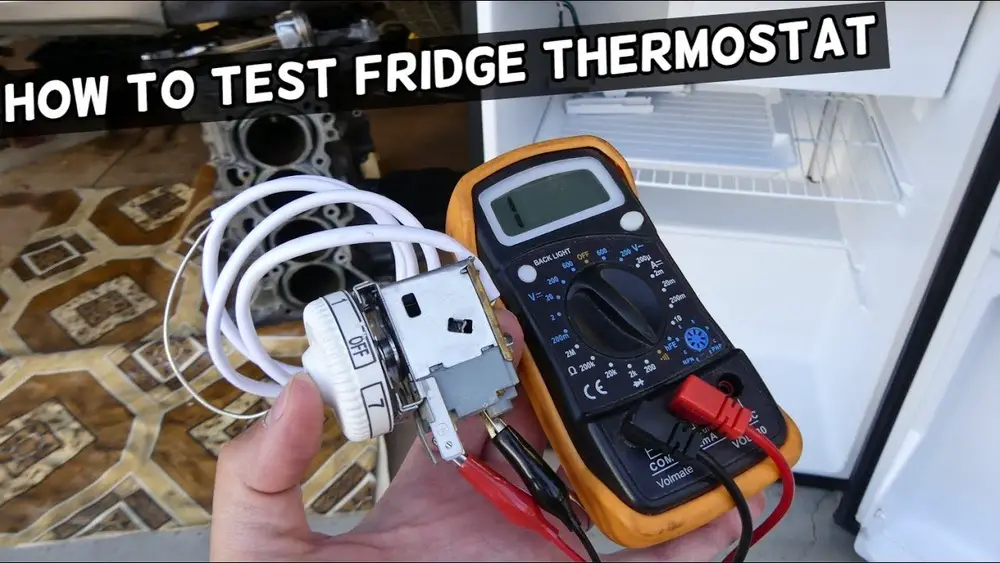
A multimeter checks the electrical parts of the thermostat. It measures voltage, resistance, and continuity. This tool helps find if the thermostat has electrical faults. Set the multimeter to the right mode before testing.
Screwdrivers
Screwdrivers help open the fridge panel to reach the thermostat. Use the right size to avoid damage. Both flathead and Phillips screwdrivers may be needed. Handle screws carefully to keep parts safe.
Locating The Thermostat
Finding the thermostat in your refrigerator is the first step in checking its function. The thermostat controls the temperature inside the fridge. It is usually easy to find, but its exact location may vary by model. Knowing where to look saves time and helps you understand how your fridge works.
Inside The Refrigerator
Most refrigerators have the thermostat inside the main compartment. Look near the top or on the side walls. It often looks like a small dial or a digital control. Some models have it inside a plastic cover or housing. This cover protects the thermostat and the temperature sensor.
Check for a small knob or buttons that allow temperature adjustments. This is usually the thermostat control. It might be near the light or air vents inside the fridge. Clean the area gently before touching it to avoid damage.
Behind The Control Panel
In some refrigerators, the thermostat is hidden behind the control panel. This panel may be on the front, top, or inside the fridge door. You might need to remove screws or clips to access the thermostat here.
Use a screwdriver to carefully take off the control panel. Find the thermostat dial or electronic control board. Be cautious not to damage wires or connectors. This area houses important controls for your fridge’s operation.
Once you locate the thermostat, you can test or adjust it as needed. Knowing its exact spot helps with maintenance and troubleshooting.
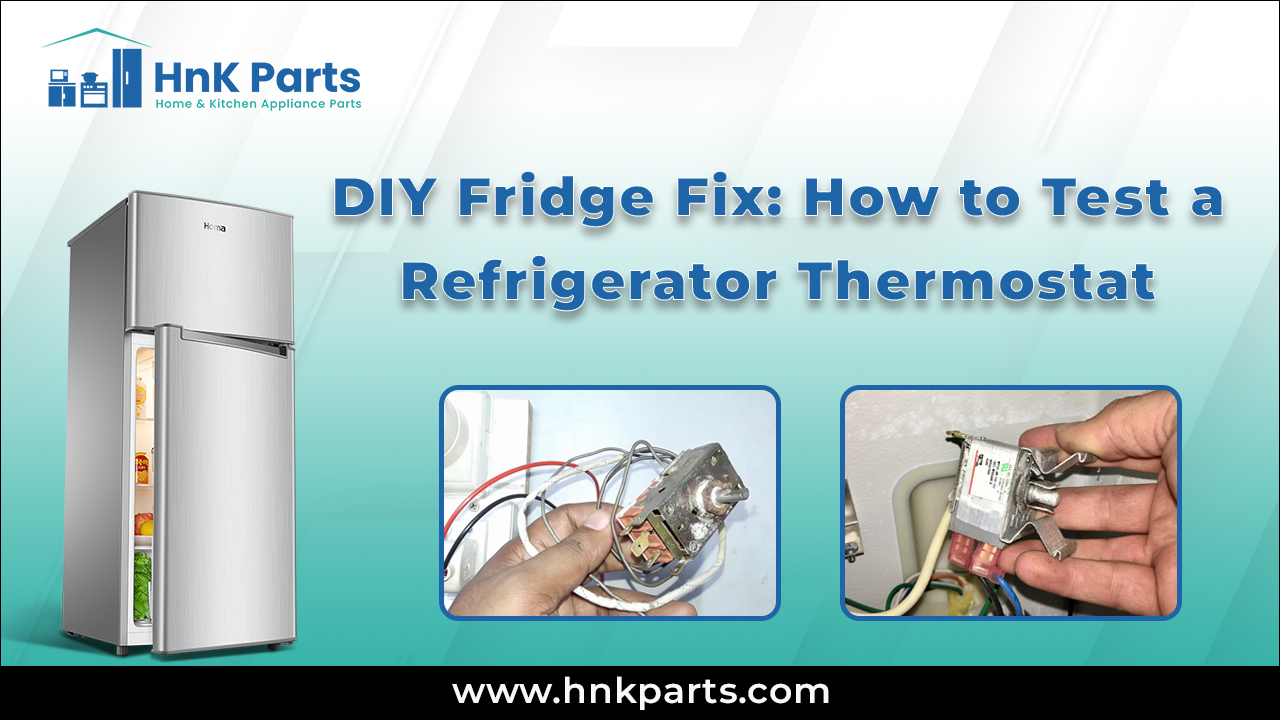
Credit: www.hnkparts.com
Testing Temperature Accuracy
Testing the temperature accuracy of your refrigerator thermostat is key to keeping food fresh. A thermostat that is off can cause your fridge to be too cold or too warm. This wastes energy and risks food spoilage. Checking the thermostat ensures your fridge runs at the right temperature.
Setting The Thermostat
Start by setting your refrigerator thermostat to the middle setting. This is usually the recommended position. Avoid changing settings before testing. Let the fridge run for at least 24 hours to stabilize the temperature.
Measuring Internal Temperature
Place a refrigerator thermometer inside the fridge. Put it in the middle shelf, away from walls and door. Leave it there for several hours or overnight. This gives an accurate reading of the fridge’s internal temperature.
Comparing Readings
Check the thermometer reading and compare it with the thermostat setting. The ideal fridge temperature is between 35°F and 38°F (1.6°C to 3.3°C). If the temperature is too high or low, the thermostat may need adjustment or replacement.
Checking Electrical Continuity
Checking electrical continuity is a key step in testing a refrigerator thermostat. It shows if the thermostat’s circuit is complete and working well. A break in continuity means the thermostat may be faulty. This check helps find problems before replacing parts.
Check Best Thermostat Pricing in Amazon
** As an Amazon Associate, I earn from qualifying purchases.
To check continuity, a multimeter measures electric flow through the thermostat. The process requires safety steps and careful reading of the meter. Follow these steps to ensure an accurate test.
Disconnecting Power
Always unplug the refrigerator before starting. This prevents electric shock and damage. Locate the power cord and pull it out from the socket. Confirm no electricity flows to the appliance by pressing the door light switch. The light should turn off.
Using A Multimeter
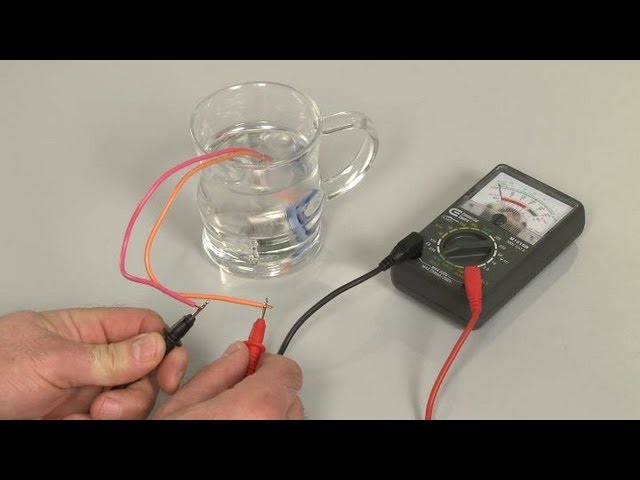
Set the multimeter to the continuity or ohm setting. Remove the thermostat from the fridge if needed. Touch the meter probes to the thermostat terminals. Hold the probes steady for a clear reading. Listen for a beep or watch the display for numbers near zero.
Interpreting Results
A beep or low number means the thermostat has good continuity. No beep or a very high number means a break in the circuit. This break suggests the thermostat is faulty and needs replacement. Always compare results with the thermostat’s manual for accuracy.
Adjusting Or Replacing The Thermostat
Adjusting or replacing your refrigerator thermostat can fix temperature problems fast. Sometimes, a small tweak is enough. Other times, the thermostat may need full replacement.
Knowing when to adjust or replace helps save time and money. Follow these simple steps to keep your fridge working well.
Making Minor Adjustments
Start by locating the thermostat dial inside the fridge. Turn it slightly colder or warmer. Wait 24 hours to see if the temperature changes. Small changes can solve many cooling issues. Avoid big jumps on the dial. Check the temperature with a fridge thermometer for accuracy.
When To Replace
Replace the thermostat if adjusting does not fix the problem. Look for signs like no cooling or constant running. A faulty thermostat may cause the fridge to freeze or stay warm. If the fridge temperature is unstable, replacement might be needed. Always check your fridge manual for the correct part number.
Installation Tips
Unplug the fridge before starting any work. Remove the old thermostat carefully to avoid damage. Use the right tools and handle parts gently. Connect the new thermostat wires as shown in the manual. Secure the new thermostat in place before plugging in. Test the fridge temperature after installation to confirm success.
Preventive Maintenance Tips
Keeping your refrigerator thermostat in good shape helps avoid costly repairs. Small habits can keep your fridge working well for years. Preventive maintenance is easy and saves energy. It also keeps food fresh and safe.
Regular Cleaning
Clean the fridge coils twice a year. Dust and dirt make the fridge work harder. Wipe the thermostat area gently to remove grime. Clean door seals to keep cold air inside. A clean fridge keeps the thermostat accurate.
Avoiding Overloading
Do not stuff the fridge full of food. Overloading blocks air vents and affects cooling. Air must flow freely to keep temperature steady. Leave space between items for air circulation. Proper loading helps the thermostat control temperature well.
Monitoring Temperature
Check the fridge temperature weekly with a thermometer. Ideal temperature is 37-40°F (3-4°C). Adjust the thermostat if temperatures rise or fall. Keep track of changes to spot problems early. A steady temperature protects your food and fridge parts.
Credit: www.fixitapplianceservice.com
Credit: www.youtube.com
Frequently Asked Questions
How Do I Test If My Refrigerator Thermostat Works?
To test the thermostat, turn it to the coldest setting. Listen for a click sound indicating activation. If no click occurs, the thermostat may be faulty and need replacement.
What Tools Are Needed To Check A Refrigerator Thermostat?
You need a multimeter to check continuity and a screwdriver to access the thermostat. These tools help identify if the thermostat is functional or broken.
Can A Faulty Thermostat Cause Refrigerator Not Cooling?
Yes, a bad thermostat can stop the compressor from running. This results in the refrigerator not cooling properly. Testing and replacing it can restore cooling efficiency.
How Often Should I Check My Refrigerator Thermostat?
Check your thermostat annually or if cooling issues arise. Regular checks ensure your fridge maintains the correct temperature and works efficiently.
Conclusion
Checking your refrigerator thermostat helps keep food fresh and safe. Start by unplugging the fridge for safety. Use a thermometer to measure the temperature inside. Adjust the thermostat dial and wait a few hours. Watch for changes in temperature to know if it works well.
If the thermostat fails, consider replacing it quickly. Regular checks prevent spoiled food and save money. Simple steps make a big difference in fridge care. Keep your appliance running smoothly with these easy tips.
Check Best Thermostat Pricing in Amazon
** As an Amazon Associate, I earn from qualifying purchases.