
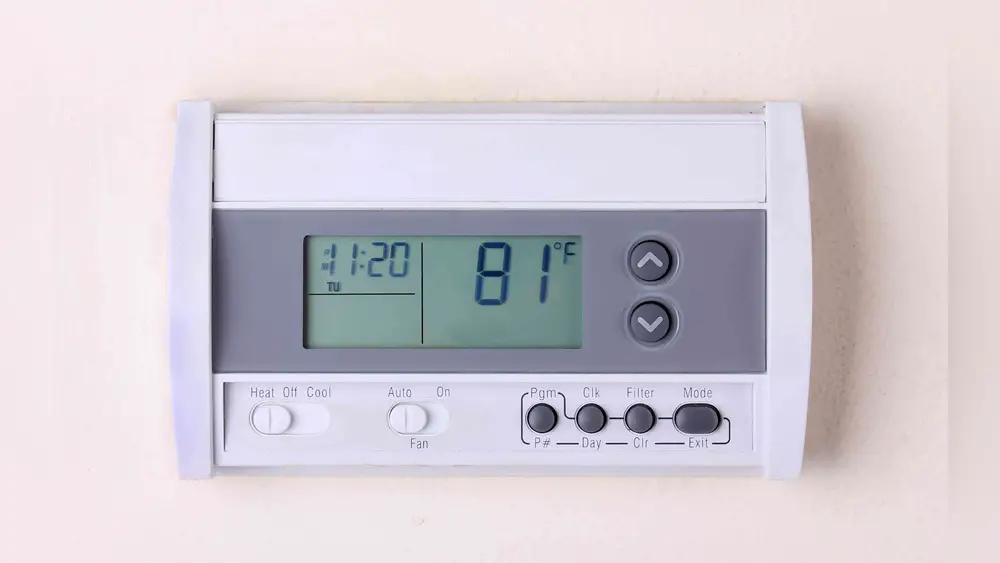
Check Best Thermostat Pricing in Amazon
** As an Amazon Associate, I earn from qualifying purchases.
Have you ever noticed the letters “Em” on your thermostat and wondered what they mean? Understanding this simple feature can save you money and keep your home comfortable when the temperature drops.
If you want to make the most of your heating system without confusion, learning about “Em” is a smart first step. Keep reading, and you’ll quickly discover how this small setting can make a big difference in your home’s warmth and energy use.
Credit: charlottecomfortsystems.com
Em Mode Basics
Understanding Em Mode on your thermostat helps you control your home’s heating better. This mode plays a key role during cold days. It ensures your home stays warm when the usual heat pump cannot keep up. Knowing the basics of Em Mode gives you confidence in managing your heating system.
What Em Stands For
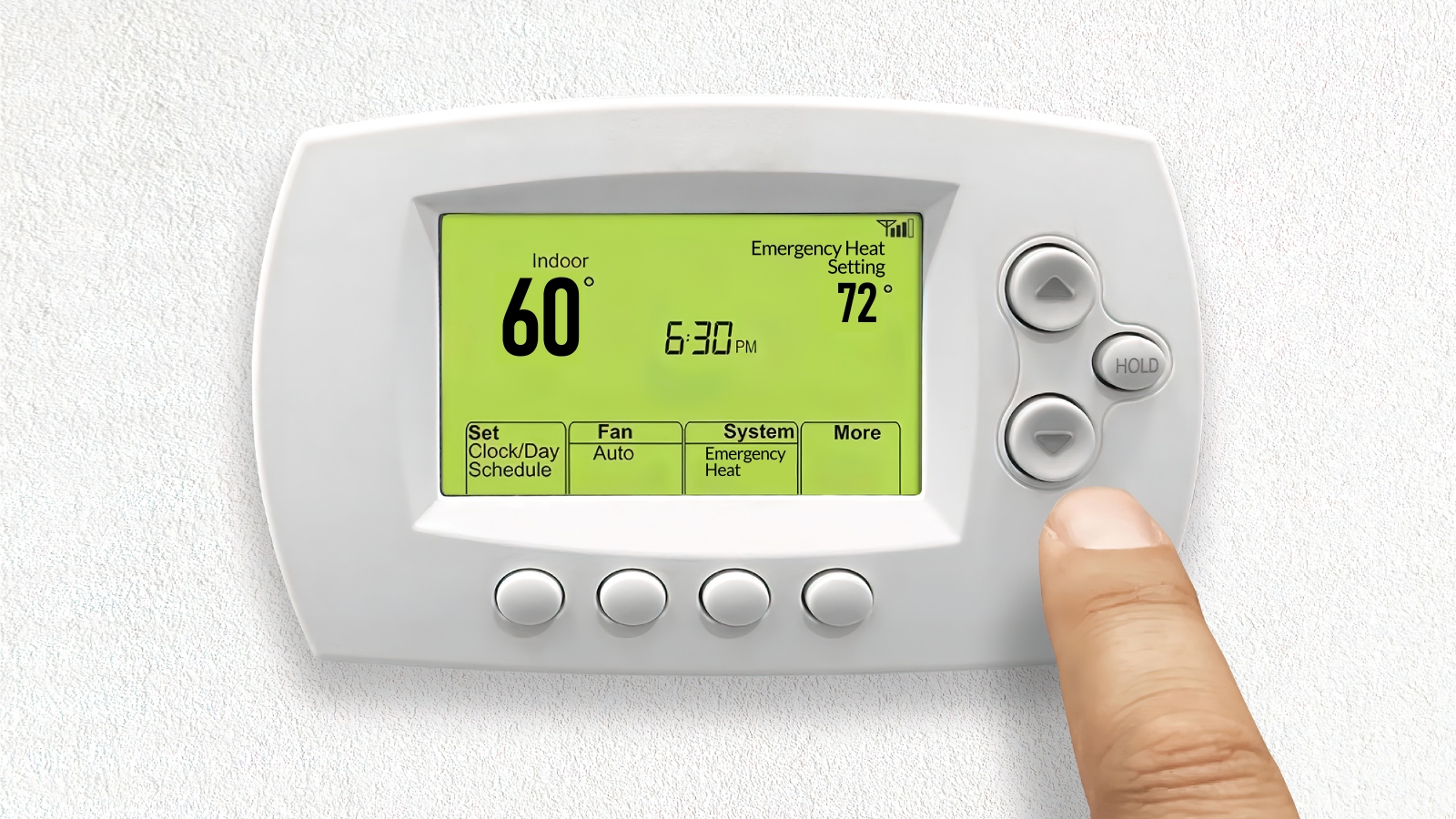
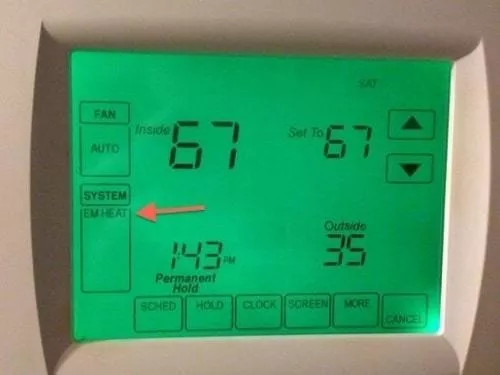
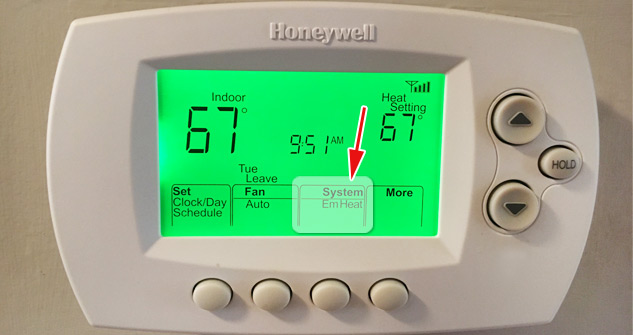
Em stands for Emergency Heat. It is a backup heating system. This mode uses a secondary heat source. Often, this is electric resistance heating. It helps warm your home if the main heat pump fails or struggles.
How Em Mode Works
When Em Mode turns on, the heat pump stops running. The system switches to the backup heat source. This source creates heat directly using electricity. It warms your home quickly but uses more energy. The thermostat controls this switch automatically.
When Em Mode Activates
Em Mode activates during very cold weather. It starts when the heat pump cannot keep the home warm. Sometimes, it triggers if the heat pump breaks. The thermostat senses the need for extra heat. Then, it turns on the emergency heat to keep you comfortable.
Credit: jonwayne.com
Em Vs. Heat Mode
Understanding the difference between Em and Heat mode on your thermostat helps you control your home’s warmth better. Both modes serve to heat your space but work differently. Knowing their functions can improve comfort and save energy.
Differences In Heating Methods
Heat mode uses your furnace or heat pump to warm the air. It pushes heated air through vents into rooms. Em mode, short for emergency heat, uses a backup heating source. This backup is often electric resistance heaters. Em mode activates when the main heat system fails or cannot keep up.
Energy Efficiency Comparison
Heat mode is more energy-efficient because it uses a heat pump. Heat pumps move heat rather than create it, using less electricity. Em mode consumes more power since it generates heat directly. It is less efficient and should be used sparingly.
Impact On Utility Bills
Using heat mode regularly helps lower your energy bills. It requires less electricity, which saves money over time. Using Em mode frequently can increase your bills fast. It draws more electricity and costs more to run. Use Em mode only when necessary to avoid high costs.
Benefits Of Em Mode
Em mode on a thermostat offers several useful benefits for your home’s heating system. It helps your system run efficiently and safely during very cold days. This mode works as a backup heating option, supporting your main heat pump. Using Em mode wisely can save energy and reduce wear on your equipment.
Energy Savings Potential
Em mode uses a different heating method that can save energy. It avoids overworking the heat pump during extreme cold. This mode only runs when necessary, cutting down electricity use. Less energy use means lower utility bills for you. It helps balance comfort and cost effectively.
Extended Equipment Life
Em mode reduces stress on your heat pump. It shares the heating load during tough weather. This lowers the chance of breakdowns and repairs. Running the system less often keeps parts in good shape. Longer equipment life means fewer replacements and less expense.
Comfort Considerations
Em mode keeps your home warm even in very cold weather. It may use more electricity than regular mode but stays reliable. The heat output might feel different from the usual heating. Some people notice a slight temperature change during Em mode. It ensures you stay comfortable when heat pump alone can’t keep up.
When To Use Em Mode
Understanding when to use Em mode on your thermostat helps keep your home warm efficiently. Em mode stands for Emergency Heat. It works differently than regular heating modes. Knowing the right time to switch to Em mode can save energy and prevent damage to your system.
Cold Weather Scenarios
Em mode activates during very cold weather. Heat pumps struggle to pull heat from freezing air. Em mode uses a backup heat source to warm your home. It helps maintain comfort when outside temperatures drop too low.
Heat Pump Limitations
Heat pumps have limits. They work best above certain temperatures. Below that, they can freeze or stop working. Em mode uses electric or gas heat instead. This backup heat keeps your home warm and your system safe.
Emergency Situations
Use Em mode if the heat pump fails. It acts as a backup heating system. Em mode keeps your home warm until repairs happen. Avoid using it regularly to save energy and reduce costs.
Common Misconceptions
Many people have wrong ideas about the Em mode on thermostats. These misunderstandings can cause confusion and lead to improper use. Clearing up these myths helps you use your thermostat better and save energy.
Is Em Mode A Backup Heater?
Em mode is not a backup heater itself. It stands for Emergency Heat and is used with heat pumps. It turns on the electric heating elements when the heat pump fails or cannot keep up. It works only if your system has electric heat strips installed.
Does Em Mode Increase Costs?
Yes, Em mode can increase energy bills. This mode uses electric resistance heat, which is less efficient than a heat pump. Using Em mode for a long time raises your energy costs. Use it only when necessary to avoid higher bills.
Proper Usage Tips
Turn on Em mode only if your heat pump stops heating properly. Avoid using Em mode during mild weather. Check your system regularly to prevent emergency heating needs. Always follow your thermostat manual for correct settings.
Optimizing Thermostat Settings
Optimizing your thermostat settings can save energy and keep your home comfortable. Understanding how to use the Em mode effectively is key. This mode helps your heating system run safely and efficiently during cold weather. Adjusting settings with care leads to better comfort and lower bills.
Check Best Thermostat Pricing in Amazon
** As an Amazon Associate, I earn from qualifying purchases.
Smart Thermostat Features
Smart thermostats learn your schedule and adjust temperatures automatically. They switch to Em mode when the heat pump needs backup heat. Some models send alerts if the system uses Em mode too often. This helps you spot problems early and save energy.
Scheduling Em Mode
Set a schedule that limits Em mode use during warmer parts of the day. Use Em mode only when temperatures drop below your heat pump’s efficient range. Scheduling helps the system run mostly in normal mode. This balance reduces energy costs without losing warmth.
Balancing Comfort And Savings
Use Em mode for short periods during very cold weather. Avoid running it all day to prevent high energy bills. Combine Em mode with proper insulation and sealing for best results. This keeps your home cozy and energy use low.
Troubleshooting Em Mode Issues
Troubleshooting Em mode issues on your thermostat helps keep your heating system working well. Em mode, or Emergency Heat, activates when your heat pump cannot heat your home alone. Problems with this mode can cause discomfort and higher energy bills.
Knowing how to identify and fix common issues with Em mode saves time and money. Below are key points to check and actions to take for smooth operation.
When Em Mode Fails To Activate
Sometimes, Em mode does not turn on even in very cold weather. Check your thermostat settings first. The mode may be off or not set correctly. Look for error messages on the thermostat screen.
Also, check the heat pump system. A faulty sensor or wiring issue can stop Em mode from activating. Resetting the thermostat might help. If it still fails, call a technician to inspect the system.
Unusual Energy Consumption
Em mode uses more energy than regular heating. High bills may signal it is running too long or incorrectly. Compare your current energy use to past months.
Look for signs like the system running constantly or short cycling. These issues waste energy and strain your equipment. Adjust thermostat settings or schedule maintenance to improve efficiency.
Professional Maintenance Tips
Regular service keeps Em mode working properly. A technician should check filters, coils, and electrical parts yearly. Cleaning and replacing worn parts prevent failures.
Ask professionals to test thermostat calibration and system controls. Proper setup ensures Em mode activates only when needed. Schedule maintenance before cold seasons for best results.
Future Of Heating Controls
The future of heating controls promises more comfort and efficiency at home. Smart thermostats will learn your habits and adjust heating automatically. This saves energy and lowers bills. Technology keeps improving to make heating easier to manage.
New systems will connect with other devices in your home. This creates a smooth and simple way to control heating. The focus is on saving energy and helping the environment. Heating will be smarter and greener than before.
Advancements In Thermostat Tech
Thermostats are getting smarter every year. Sensors now detect if people are in the room. They adjust heat to save energy when rooms are empty. Voice control lets you change settings without moving. Some models even predict weather changes to prepare your home.
Integration With Home Automation
Thermostats now work with other smart home devices. Lights, security cameras, and heating can all connect. You control everything from one app. This makes managing your home simple and fast. Automation can turn heating on before you arrive home.
Sustainable Heating Trends
Green energy is a big focus for future heating. Thermostats will support solar and other renewable sources. They help reduce carbon footprints. Smart controls use less energy and waste less heat. This supports a cleaner, healthier planet for everyone.
Credit: opencontabilidade.com
Frequently Asked Questions
What Does “em” Mean On A Thermostat?
“Em” stands for Emergency Heat mode on a thermostat. It activates a secondary heating system, usually electric, when the primary heat pump fails or is inefficient.
When Should I Use The Em Mode On My Thermostat?
Use Em mode during extremely cold weather or if your heat pump malfunctions. It provides backup heating to maintain indoor warmth effectively.
How Does Em Mode Differ From Regular Heating?
Em mode uses a backup heat source, often electric resistance heat. Regular heating relies on the primary heat pump, which is more energy-efficient.
Can Em Mode Increase My Energy Bills?
Yes, Em mode consumes more electricity as it uses less efficient backup heating. Use it only when necessary to avoid high energy costs.
Conclusion
Em mode on a thermostat helps keep your home warm safely. It uses electric heat when your main heat pump can’t work well. This setting saves energy and keeps you comfortable. Knowing what Em means helps you use your thermostat better.
Try using Em mode during very cold days. It’s a simple way to stay warm without extra cost. Now, you can control your heating with more confidence and ease.
Check Best Thermostat Pricing in Amazon
** As an Amazon Associate, I earn from qualifying purchases.