
Check Best Thermostat Pricing in Amazon
** As an Amazon Associate, I earn from qualifying purchases.
Is your home not feeling as comfortable as it should? Your thermostat might be the reason why.
Knowing if your thermostat is broken can save you from unexpected cold or heat and high energy bills. But how can you tell if it’s really the problem? You’ll discover simple signs to watch for and easy steps to check your thermostat yourself.
Keep reading to make sure your home stays just the way you like it.
Thermostat Basics
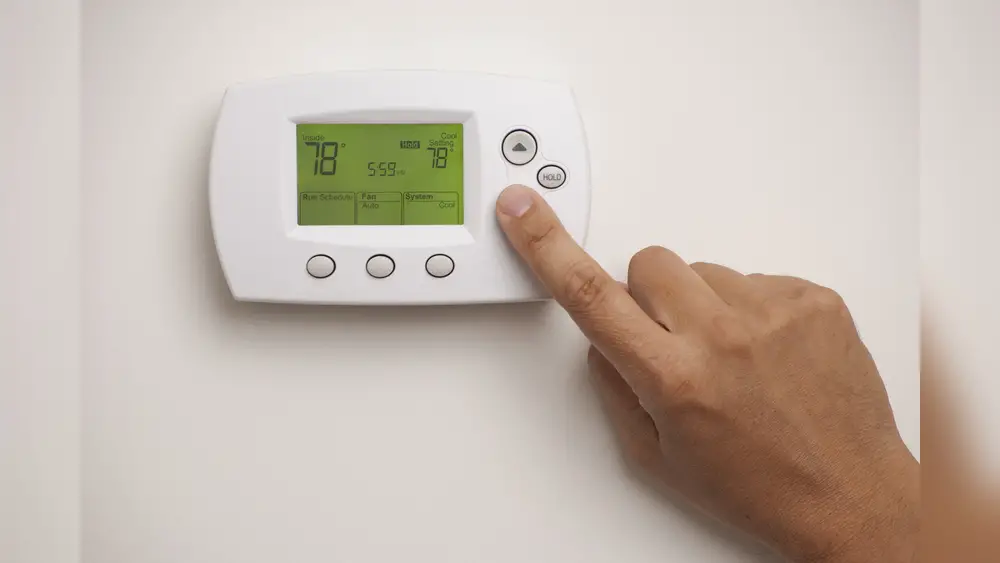
A thermostat controls the temperature inside your home. It tells your heating and cooling system when to turn on or off. This keeps your home comfortable all year. Understanding how a thermostat works helps you spot problems early.
Thermostats come in different types. Each type works in its own way. Knowing these types helps you choose the right one for your home.
Role In Home Heating And Cooling
A thermostat acts like a home’s temperature guard. It senses the air temperature and compares it to the set level. If the air is too cold, it tells the heater to start. If it is too hot, it signals the air conditioner to cool the room.
This cycle keeps your home at the right temperature. Without a working thermostat, your heating or cooling system may run all the time or not at all.
Types Of Thermostats
There are three common types of thermostats: manual, programmable, and smart. Manual thermostats let you adjust the temperature by hand. Programmable thermostats allow you to set schedules for heating and cooling.
Smart thermostats connect to the internet. They learn your habits and adjust settings automatically. Each type has pros and cons depending on your needs and budget.

Credit: www.youtube.com
Common Thermostat Problems
Thermostats control your home’s heating and cooling. They keep the temperature just right. When a thermostat breaks, your comfort suffers. Some problems happen often. Knowing these common issues helps you spot a broken thermostat fast.
Unresponsive Controls
The thermostat does not respond to button presses. You try to change the temperature, but nothing happens. The screen may stay the same. Sometimes, the controls work only after several tries. This issue can mean the thermostat is broken or has low batteries.
Inconsistent Temperature
The thermostat shows one temperature, but the room feels different. Sometimes the heat turns on when it should be off. Other times, cooling starts too late. The temperature may swing too much. This problem can cause discomfort and higher energy bills.
Display Issues
The screen on the thermostat is blank or flickers. Numbers or letters may be missing or hard to read. The backlight might not work at all. Display problems can stop you from setting the right temperature. It might also mean the thermostat needs repair or replacement.
Signs Your Thermostat Might Be Broken
Thermostats control the temperature in your home. They tell your heating and cooling systems when to turn on or off. A broken thermostat can cause discomfort and higher energy bills. Spotting the signs early helps avoid bigger problems. Here are clear signs your thermostat might be broken.
Hvac System Not Turning On Or Off
The HVAC system should respond to thermostat settings. If it does not start or stop as expected, the thermostat may be faulty. Sometimes the system runs continuously or won’t turn on at all. This issue often points to thermostat wiring or sensor problems. Check your thermostat settings first. Persistent problems usually mean the thermostat needs repair or replacement.
Temperature Fluctuations
Inconsistent temperatures inside your home suggest thermostat issues. You might feel too hot or too cold, even if the thermostat shows a steady setting. The thermostat might not sense the room temperature correctly. This causes the heating or cooling to cycle on and off too often. Temperature swings affect comfort and can raise energy costs.
No Display Or Blank Screen
A thermostat with no display or a blank screen signals trouble. It may be dead due to power issues or internal faults. Sometimes the batteries are dead or loose, causing the screen to go blank. If replacing batteries does not help, the thermostat might be broken. Without a working display, controlling your system is difficult.
Unusual Noises From Thermostat
Thermostats usually operate silently. Strange noises like clicking, buzzing, or humming are warning signs. These sounds can mean electrical problems or mechanical failures inside the device. Noises often indicate that the thermostat is struggling to communicate with the HVAC system. Ignoring these sounds may lead to system damage or failure.
Troubleshooting Steps
Thermostat problems can cause discomfort and higher energy bills. Taking simple steps helps identify the issue fast. These troubleshooting steps guide you through basic checks. They save time and avoid unnecessary repairs.
Check Best Thermostat Pricing in Amazon
** As an Amazon Associate, I earn from qualifying purchases.
Checking The Power Source
Start by confirming the thermostat has power. Check the circuit breaker to ensure it is on. Look for any blown fuses that could cut the power. Some thermostats use batteries; test or replace them if needed. No power means the thermostat will not work at all.
Resetting The Thermostat
Resetting can fix minor software glitches inside the thermostat. Locate the reset button or switch on the device. Press and hold it for a few seconds, then release. The thermostat will restart and clear temporary errors. This step often restores normal function quickly.
Inspecting Wiring And Connections
Loose or damaged wires cause thermostat failure. Turn off power before inspecting to avoid shocks. Check all wire connections at the thermostat and furnace. Look for signs of corrosion, frayed wires, or disconnections. Tighten any loose wires and replace damaged ones as needed.
When To Replace Your Thermostat
Knowing when to replace your thermostat can save you money and keep your home comfortable. A broken thermostat can cause your heating or cooling system to work poorly or stop working. Watch for signs that show your thermostat is old or failing. Replacing it at the right time helps avoid bigger problems later.
Age And Wear Indicators
Thermostats usually last 10 to 15 years. If yours is older, it may not work well. Look for fading numbers, broken buttons, or a screen that won’t light up. Strange noises or inaccurate temperature readings also show wear. These signs mean your thermostat might need replacing soon.
Cost Vs. Repair Considerations
Repairing a thermostat can cost less than buying a new one. Small fixes like changing batteries or cleaning contacts may help. But if repairs are frequent or expensive, replacing makes more sense. A new thermostat costs less over time than many repairs. Think about how much you spend on repairs each year.
Benefits Of Upgrading To Smart Thermostats
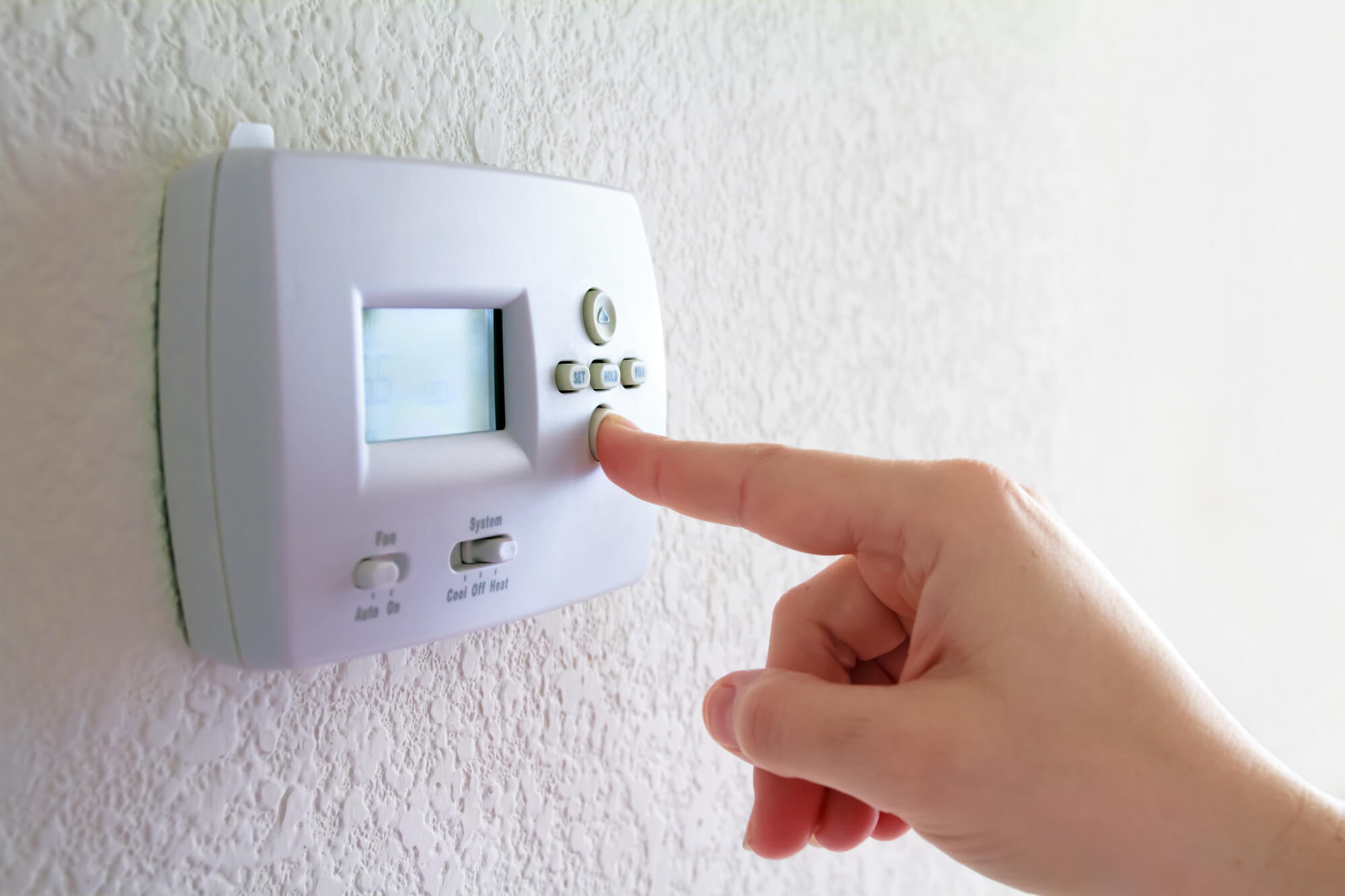
Smart thermostats save energy and make life easier. You can control them from your phone or tablet. They learn your schedule and adjust temperatures automatically. This saves money on heating and cooling bills. Some models offer alerts if your system has problems. Upgrading to a smart thermostat brings modern comfort and control.
Credit: myguysnow.com
Preventive Tips For Thermostat Care
Taking good care of your thermostat helps it work well for a long time. Simple habits can stop many problems before they start. Small steps keep your heating and cooling system running smoothly.
Regular Maintenance
Check your thermostat often. Clean dust and dirt from the device. Replace batteries every year or when needed. Reset the thermostat after power outages. These steps help avoid errors and keep settings accurate.
Proper Installation Practices
Place the thermostat away from heat sources like sunlight or vents. Install it at eye level on an interior wall. Make sure the wiring is done correctly. Improper installation can cause wrong temperature readings and damage.
Avoiding Common Mistakes
Don’t change settings too often or too fast. Avoid blocking the thermostat with furniture or curtains. Do not paint over the thermostat or cover it. These mistakes confuse the system and lower its performance.

Credit: www.youtube.com
Frequently Asked Questions
How Can I Tell If My Thermostat Is Broken?
A broken thermostat often causes inconsistent temperatures or no response to adjustments. Check if your HVAC system fails to turn on or off properly. Look for error codes or a blank display. These signs usually indicate a faulty thermostat needing repair or replacement.
Why Is My Thermostat Not Responding To Settings?
If your thermostat doesn’t respond, it may have dead batteries, wiring issues, or software glitches. Ensure power supply is stable. Replace batteries if needed. Loose or damaged wires can disrupt communication. Sometimes, a simple reset fixes unresponsiveness. Persistent problems suggest a broken thermostat.
What Causes A Thermostat To Stop Working Suddenly?
Sudden failure can result from electrical surges, worn-out components, or physical damage. Power interruptions or outdated models also contribute. Regular maintenance prevents unexpected breakdowns. If it stops working abruptly, inspect power sources and connections. Replacement might be necessary for old or severely damaged units.
Can A Thermostat Cause Uneven Heating Or Cooling?
Yes, a malfunctioning thermostat can cause uneven temperatures. It may misread room temperature or fail to signal the HVAC correctly. This leads to hot or cold spots. Calibrate or replace the thermostat to restore balanced climate control in your home.
Conclusion
A broken thermostat can cause many problems at home. Check for strange behavior like wrong temperatures or no response. Simple tests help spot issues early. Fixing or replacing it keeps your home comfortable and saves energy. Don’t ignore signs of trouble to avoid costly repairs later.
Stay aware, act fast, and keep your heating or cooling working well. This way, you enjoy a cozy home all year.
Check Best Thermostat Pricing in Amazon
** As an Amazon Associate, I earn from qualifying purchases.