
Check Best Thermostat Pricing in Amazon
** As an Amazon Associate, I earn from qualifying purchases.
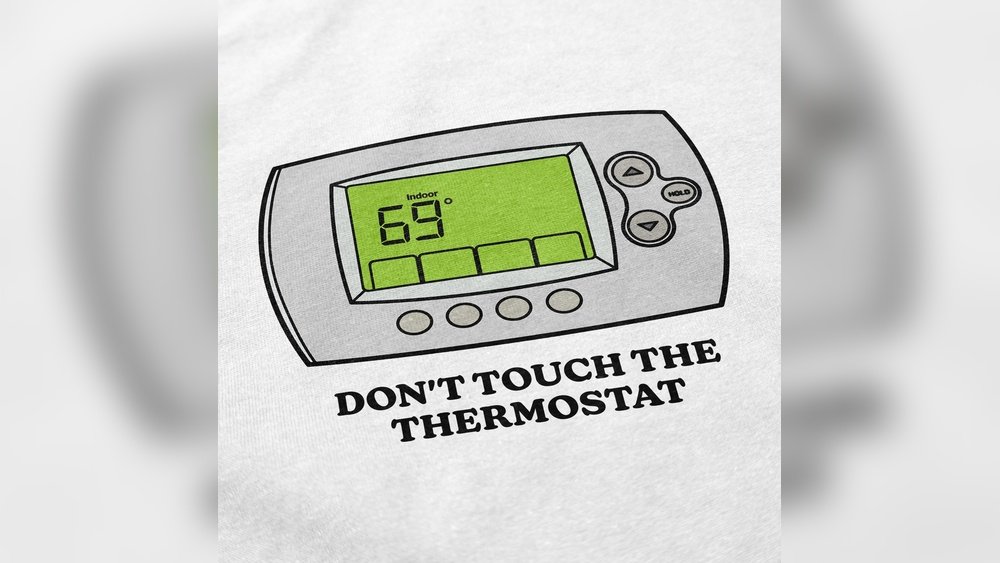
Have you ever wondered why someone told you, “Don’t touch the thermostat”? It might seem like a simple request, but it hides important reasons that affect your comfort and even your energy bills.
If you’ve been adjusting the thermostat constantly, you could be making things worse without realizing it. You’ll discover why leaving the thermostat alone can actually benefit you, how it impacts your home, and the smart way to manage your heating and cooling.
Keep reading, because understanding this could save you money and keep your home just right.
Why Thermostats Matter
Thermostats control the temperature inside your home. They keep you comfortable and help save energy. A good thermostat can make a big difference in your daily life. Understanding why thermostats matter helps you use them well.
Many people do not realize how much a thermostat affects their home and bills. Small changes in settings can lead to big results. Thermostats work quietly but play a key role in energy use.
Impact On Energy Bills
Thermostats directly affect your energy costs. Setting the temperature higher or lower changes how much energy your system uses. A smart thermostat can reduce waste by adjusting to your schedule.
Energy bills often rise from poor thermostat use. Keeping the temperature steady avoids sudden spikes. Simple habits like not touching the thermostat too often help maintain steady costs.
Thermostat And System Efficiency
The thermostat guides your heating and cooling system. It tells the system when to turn on or off. A well-calibrated thermostat helps the system work smoothly and last longer.
Incorrect settings cause the system to overwork. Overworking leads to wear and higher repair costs. Proper thermostat use means better system health and fewer breakdowns.
Common Thermostat Mistakes
Many people make common mistakes with their thermostats. These errors can cause discomfort and higher energy bills. Knowing these mistakes helps keep your home comfortable and saves money.
Frequent Temperature Changes
Changing the thermostat too often confuses the system. The heater or cooler works harder to catch up. This wastes energy and wears out the equipment faster. Set a steady temperature instead of constant changes.
Ignoring Manufacturer Guidelines
Each thermostat comes with specific instructions. Ignoring these guidelines causes poor performance and damage. Follow the manual for installation and use. Proper care extends the thermostat’s life and efficiency.
Improper Placement
Placing the thermostat near heat or cold sources gives wrong readings. Avoid spots near windows, sunlight, or vents. Put the thermostat in a central, shaded area. Correct placement keeps your home temperature accurate.
How Touching Affects Performance
Touching a thermostat may seem harmless. Yet, it can change how the device works. The thermostat measures temperature with sensitive sensors. Touching it can confuse these sensors. This confusion leads to poor thermostat performance. The result: your home might feel too hot or cold.
Sensor Calibration Issues
Thermostats rely on precise sensor calibration. Sensors detect the room’s true temperature. Your touch adds extra warmth. This warmth tricks the sensor. It may show the wrong temperature. The thermostat then adjusts settings incorrectly. This mistake causes discomfort. The sensor takes time to reset after being touched. During this time, heating or cooling may be off.
System Overworking Risks
Touching can cause the system to work too hard. Wrong temperature readings lead to wrong commands. The heating or cooling system runs more than needed. This overwork wastes energy and raises bills. It also shortens the system’s lifespan. The system may break down sooner. Avoid touching the thermostat to keep it working well.

Credit: www.ebs-eap.com
Check Best Thermostat Pricing in Amazon
** As an Amazon Associate, I earn from qualifying purchases.
Smart Thermostats Vs Traditional Models
Smart thermostats have changed how people control home temperature. Traditional models work with simple dials or buttons. They let you set one temperature for the whole day.
Smart thermostats use sensors and Wi-Fi to adjust temperature automatically. They learn your habits and save energy by heating or cooling only when needed. This makes them very different from old-fashioned models.
Benefits Of Smart Controls
Smart thermostats save energy and lower bills by adjusting temperatures automatically. They connect to your phone, letting you control settings from anywhere. Some models learn your schedule and change temperatures without needing you to do anything. This means less work and more comfort. You get detailed reports on energy use, helping you find ways to save more. These features make smart thermostats more efficient than traditional ones.
When Manual Adjustments Are Needed
Traditional thermostats need you to change settings often. If your schedule changes, you must reset them manually. Smart thermostats reduce this need but still allow manual changes anytime. You can override automatic settings if you want. Manual control is useful during unexpected weather or special events. It gives you the flexibility to keep your home comfortable on your terms.
Tips To Protect Your Thermostat
Protecting your thermostat helps save energy and extends its life. Simple steps keep it working well and avoid costly repairs. Follow these tips to maintain your thermostat efficiently and safely.
Optimal Settings For Efficiency
Set your thermostat to a comfortable but not extreme temperature. Avoid constant changes that make the system work harder. Use programmable settings for different times of the day. This saves energy and reduces wear on the thermostat.
Regular Maintenance Checks
Check your thermostat often for dust and dirt. Clean it gently with a soft cloth. Replace batteries yearly to keep it running smoothly. Inspect wiring and connections to avoid electrical problems. Schedule professional checks for a thorough review.
Educating Household Members
Teach everyone in your home about thermostat care. Explain why not to touch or change settings too often. Share simple rules to avoid accidental damage. This helps keep the thermostat working well for longer.

Credit: www.reddit.com

Credit: www.reddit.com
Frequently Asked Questions
Why Should I Not Touch The Thermostat Frequently?
Frequent adjustments confuse your HVAC system and reduce efficiency. It causes temperature swings and increases energy bills. Leaving the thermostat steady helps maintain a comfortable, consistent temperature. This practice extends your system’s lifespan and reduces wear and tear.
How Does Touching The Thermostat Affect Energy Bills?
Constant thermostat changes force your HVAC to work harder. This increases electricity or gas consumption, raising your energy bills. A stable thermostat setting uses energy more efficiently. Keeping it consistent helps save money on heating and cooling costs.
What Problems Arise From Adjusting The Thermostat Too Often?
Too many adjustments cause uneven temperature and stress the system. This leads to increased maintenance needs and possible breakdowns. It can also reduce the system’s lifespan. Consistent settings optimize performance and reliability of your heating and cooling.
Can Touching The Thermostat Impact Indoor Comfort?
Yes, frequent changes create temperature fluctuations that affect comfort. It can cause rooms to feel too hot or cold intermittently. Maintaining a steady temperature ensures a more comfortable and stable indoor environment for all occupants.
Conclusion
A thermostat controls your home’s temperature and comfort. Constantly changing it can waste energy and increase bills. Let the thermostat do its job for steady warmth or coolness. Trusting its settings saves money and keeps your space cozy. Small habits make a big difference over time.
Keep your thermostat steady and enjoy balanced comfort every day.
Check Best Thermostat Pricing in Amazon
** As an Amazon Associate, I earn from qualifying purchases.