
Check Best Thermostat Pricing in Amazon
** As an Amazon Associate, I earn from qualifying purchases.
Have you ever wondered who invented the thermostat that keeps your home comfortable all year round? This simple device controls the temperature around you without you even noticing.
But behind this everyday convenience lies a fascinating story of innovation and discovery. Understanding who created the thermostat can change the way you appreciate the technology that shapes your daily life. Keep reading to uncover the surprising origins of the thermostat and how it revolutionized the way we live.
Credit: michigansaves.org
Early Temperature Control Devices
Before modern thermostats existed, people found clever ways to control temperature. These early devices helped manage heat and cold in homes and buildings. They were simple but showed human creativity in solving comfort problems.
Exploring these early temperature control devices helps us understand the roots of today’s technology. Let’s look at how ancient people regulated temperature and the early tools that led to the invention of the thermostat.
Ancient Methods Of Temperature Regulation
Ancient civilizations used natural materials to control indoor temperature. Thick walls made from stone or mud kept homes cool in summer and warm in winter. People also built underground rooms to stay cool during hot days.
Fireplaces and chimneys helped manage indoor heat. Opening and closing vents controlled airflow and temperature inside rooms. These simple methods laid the groundwork for later temperature control devices.
Predecessors To The Thermostat
Before the thermostat, inventors created devices to measure and control temperature automatically. One early example was a valve that opened and closed based on heat changes. This valve helped regulate steam in heating systems.
These early tools showed how machines could respond to temperature changes without human help. They marked important steps toward the modern thermostat used today in homes and offices worldwide.

Credit: www.independent.co.uk
The Birth Of The Thermostat
The birth of the thermostat marked a major step in home heating and cooling. This small device controls temperature automatically. It made living spaces more comfortable and energy-efficient. The story involves several inventors and important patents. Their work shaped the thermostats we use today.
Inventors And Pioneers
The first thermostat concept dates back to the early 1600s. Cornelis Drebbel, a Dutch inventor, created a mercury thermostat for a chicken incubator. It was one of the earliest attempts at automatic temperature control.
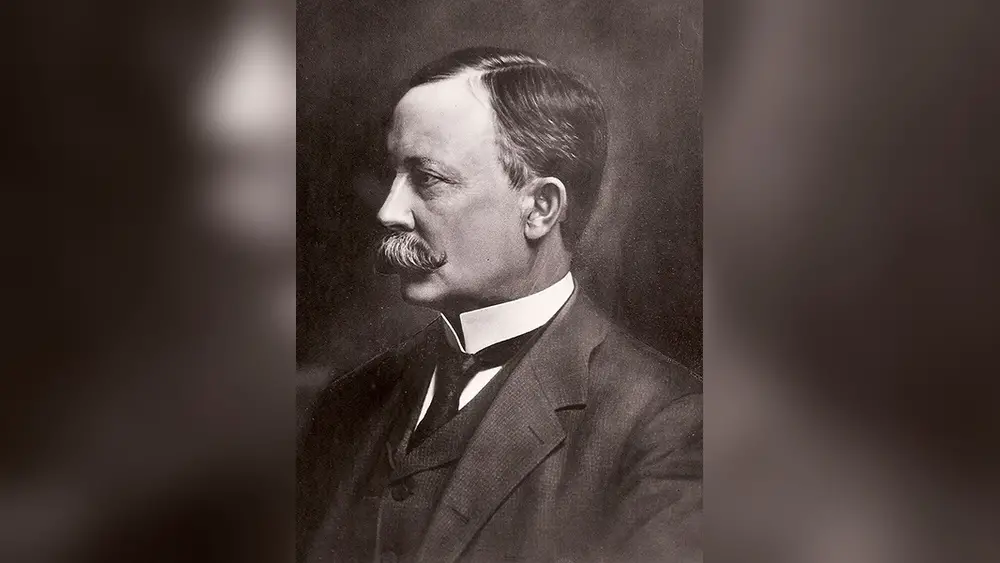
In the 19th century, Warren S. Johnson invented the modern electric thermostat. He wanted a way to control temperature in large buildings. His design used bi-metallic strips to sense heat changes.
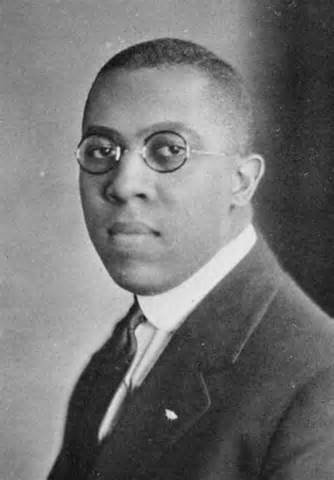
Other pioneers like Albert Butz improved the technology. Butz created a thermostat for furnaces, making home heating easier to manage. Their combined efforts helped turn thermostats into common household devices.
Key Patents And Innovations
Warren Johnson received a patent in 1883 for his electric thermostat. This patent protected the design that used electrical circuits to control temperature.
Later, Honeywell bought Johnson’s company and refined the thermostat. Honeywell’s patents improved accuracy and safety. These changes made thermostats reliable for everyday use.
In the 20th century, digital thermostats emerged. They replaced mechanical parts with electronic sensors. This innovation allowed better control and programming options.
Warren S. Johnson’s Contribution
Warren S. Johnson played a key role in the history of the thermostat. He invented one of the first electric thermostats. His work made it easier to control room temperature automatically. This was a big step forward in heating technology.
Johnson’s invention helped buildings stay warm without constant manual adjustments. This saved time and energy. His ideas are still important in heating systems today.
The Electric Thermostat
Warren S. Johnson created the first electric thermostat in 1883. It used a bimetallic strip to sense temperature changes. This strip moved to open or close electrical contacts. This action controlled heaters automatically. It was one of the earliest uses of electricity for temperature control.
His thermostat could control multiple rooms at once. This made it very useful for schools and large buildings. It allowed heating systems to work more efficiently and safely.
Impact On Building Heating Systems
Johnson’s thermostat changed how buildings manage heat. Before his invention, people had to adjust heaters by hand. His device made heating automatic and more reliable. Buildings became more comfortable with less effort.
This invention also helped reduce fuel use. Heating systems only worked when needed. This saved money and was better for the environment. Johnson’s work laid the foundation for modern heating controls.
Evolution Of Thermostat Technology
The thermostat has come a long way since its invention. Early designs were simple but effective in controlling room temperature.
Over time, technology improved. Thermostats became more accurate and easier to use.
Today, modern thermostats offer smart features that save energy and increase comfort.
Check Best Thermostat Pricing in Amazon
** As an Amazon Associate, I earn from qualifying purchases.
Mechanical To Digital Transition
Early thermostats used mechanical parts like bimetallic strips. These strips bent with temperature changes.
They controlled heating by opening or closing electrical contacts. This method was reliable but limited in precision.
Digital thermostats appeared in the late 20th century. They use electronic sensors to measure temperature more accurately.
Digital models allow users to set exact temperatures and schedules. They improved energy efficiency and user control.
Smart Thermostats And Modern Features
Smart thermostats connect to Wi-Fi and smartphones. Users can adjust settings from anywhere.
These devices learn habits and adjust temperatures automatically. They help reduce energy waste.
Many smart thermostats include voice control and integration with home systems. This adds convenience and comfort.
They often provide energy reports. This helps users track and lower their energy use.
Thermostat’s Role In Home Comfort
The thermostat plays a key role in making homes comfortable. It controls the temperature inside by turning heating or cooling systems on and off. This keeps rooms warm in winter and cool in summer. With a thermostat, people can enjoy a steady and pleasant indoor climate all year round.
Modern thermostats offer more than just basic temperature control. They help save energy and give users easy control over their home’s comfort.
Energy Efficiency Improvements
Thermostats help save energy by avoiding unnecessary heating or cooling. They turn systems off when the desired temperature is reached. This reduces energy waste and lowers utility bills. Smart thermostats learn your schedule and adjust temperature automatically. This makes homes more energy efficient without losing comfort.
User Convenience And Control
Thermostats provide easy control over home temperature. Users can set their preferred temperature with simple buttons or touchscreens. Many models allow remote control through smartphones. This means adjusting the temperature from anywhere is possible. Some thermostats offer scheduling options to match daily routines. This convenience keeps homes comfortable with little effort.

Credit: www.tennessean.com
Future Trends In Temperature Control
The future of temperature control promises smarter and greener solutions. Technology is changing how we manage indoor climates. This change focuses on comfort, energy saving, and ease of use.
New systems will adapt to our habits and environmental needs. They will make homes more efficient without extra effort. This section explores key trends shaping this future.
Integration With Smart Homes
Thermostats are becoming part of smart home systems. They connect with devices like lights, locks, and speakers. This connection allows automatic adjustments based on daily routines.
Users can control temperature remotely via apps. Voice assistants help change settings without touching a device. This makes temperature control simple and convenient.
Sustainable And Eco-friendly Solutions
Future thermostats focus on reducing energy use and carbon footprints. They use sensors to detect when rooms are empty and lower heating or cooling. This saves energy and cuts costs.
Some models use renewable energy sources like solar power. Others optimize performance by learning the best times to heat or cool. These features help protect the environment.
Frequently Asked Questions
Who Invented The Thermostat?
The thermostat was invented by Warren S. Johnson in 1883. He created the first electric room thermostat to regulate temperature automatically.
When Was The Thermostat First Invented?
The first thermostat was invented in 1883 by Warren S. Johnson, marking the start of modern temperature control.
How Does A Thermostat Work?
A thermostat senses room temperature and switches heating or cooling systems on or off to maintain the set temperature.
Why Is The Thermostat Important In Homes?
Thermostats maintain comfortable indoor temperatures and improve energy efficiency by controlling heating and cooling systems automatically.
Conclusion
The thermostat changed how people control temperature at home. Its invention helped save energy and improve comfort. Many inventors added ideas to make it better. Today, thermostats are smart and easy to use. Understanding who invented it shows how small ideas can grow.
This simple device affects daily life more than you think. Temperature control is now in the palm of your hand. The story of the thermostat is a mix of science and creativity.
Check Best Thermostat Pricing in Amazon
** As an Amazon Associate, I earn from qualifying purchases.