
Check Best Thermostat Pricing in Amazon
** As an Amazon Associate, I earn from qualifying purchases.
Have you ever wondered how your heating system knows when to turn on or off? That’s where a line voltage thermostat comes in.
This simple device controls the temperature in your home by directly managing the power to your heating system. Understanding how it works can help you make smarter choices for your comfort and energy bills. Keep reading to discover what a line voltage thermostat is, how it functions, and why it might be the perfect fit for your heating needs.
Line Voltage Thermostat Basics
A line voltage thermostat controls electric heating systems by managing the flow of electricity. It works directly with high voltage, usually 120 or 240 volts. These thermostats are popular for baseboard heaters, radiant floors, and electric wall heaters.
Understanding the basics helps you choose the right thermostat. It also ensures safe and efficient heating control. Let’s explore how line voltage thermostats work, their common types, and key components.
How It Works
A line voltage thermostat switches the electric current on and off. It senses the room temperature with a built-in sensor. When the temperature drops below the set point, the thermostat closes the circuit. This allows electricity to flow to the heater.
Once the room warms up, the thermostat opens the circuit. This stops the electric current and turns off the heater. This simple on/off control keeps the temperature steady.
Common Types
Two main types of line voltage thermostats exist: mechanical and digital. Mechanical thermostats use a bimetallic strip or wax motor to sense temperature. They are simple and reliable but less precise.
Digital thermostats have electronic sensors and displays. They offer better accuracy and programmable settings. Digital models can save energy by adjusting temperatures at different times.
Key Components
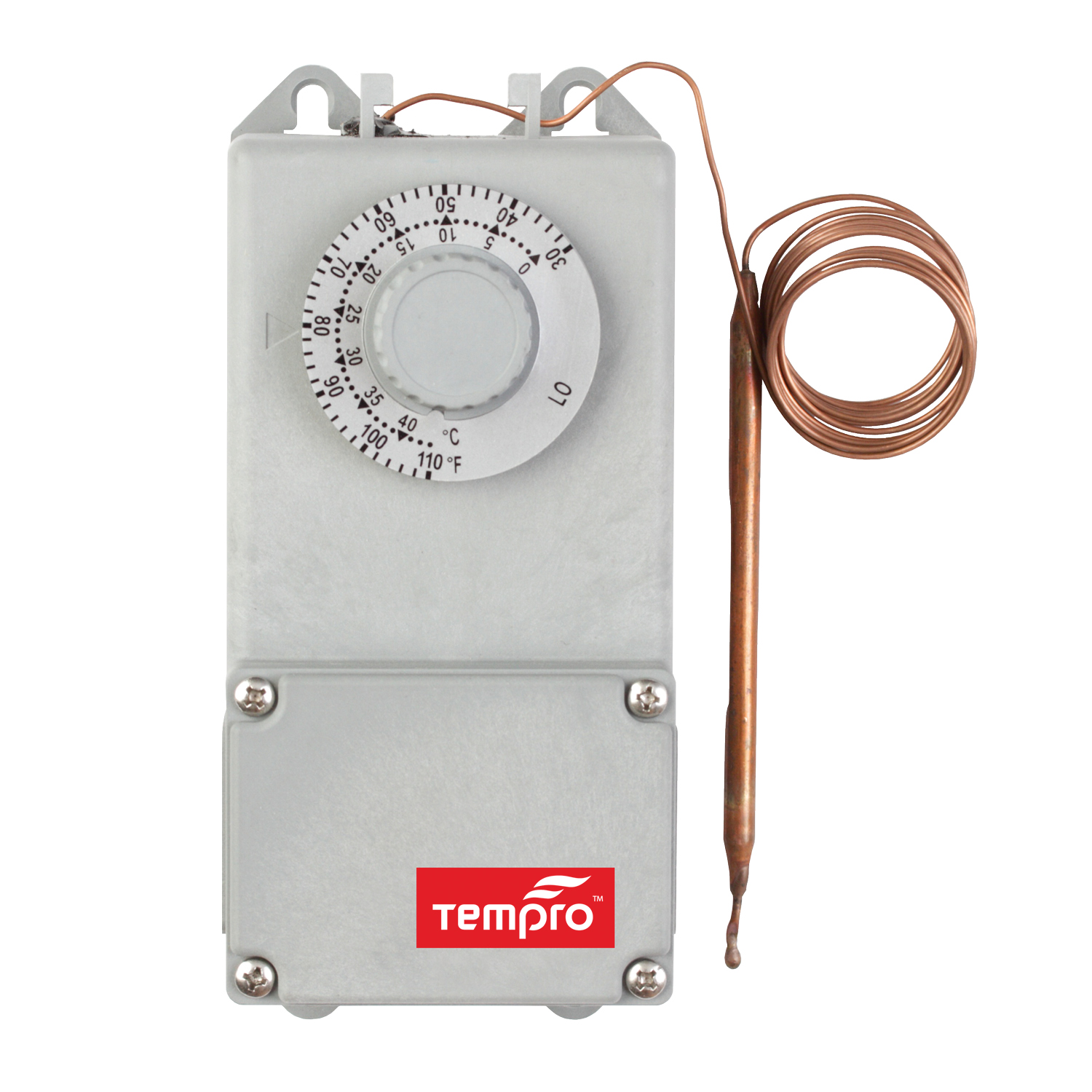
The key parts include the sensor, switch, and housing. The sensor detects the room temperature. The switch controls the flow of electricity to the heater. The housing protects the internal parts and offers user controls.
Some models include a manual override switch or a temperature dial. Wiring terminals connect the thermostat to the power source and heater. Each component plays a role in safe and effective heating control.

Credit: www.amazon.com
Benefits Of Line Voltage Thermostats
Line voltage thermostats offer several advantages for controlling electric heating systems. These benefits make them a popular choice in many homes and businesses. Understanding these benefits helps in choosing the right thermostat for your needs.
Energy Efficiency
Line voltage thermostats help save energy by controlling heat precisely. They turn heaters on or off to keep the room temperature steady. This reduces energy waste and lowers electricity bills. Using these thermostats can lead to smarter energy use.
Durability And Reliability
These thermostats are built to last. They work well in harsh environments and handle high voltage safely. Their simple design means fewer parts can break. This makes them reliable for long-term use without frequent repairs.
Easy Installation
Installing a line voltage thermostat is simple and quick. They connect directly to electric heaters without extra equipment. This means less time and effort for setup. Even beginners can manage installation with basic tools.
Cost-effectiveness
Line voltage thermostats cost less upfront and save money over time. Their energy efficiency lowers utility bills. Also, their durability means fewer replacement costs. They provide good value for both homes and businesses.
Typical Applications
Line voltage thermostats control heating systems by directly managing electrical current. They are common in many settings due to their simplicity and reliability. These thermostats handle high voltage appliances, making them suitable for various heating needs. Below are the typical applications of line voltage thermostats.
Residential Heating
Line voltage thermostats often regulate baseboard heaters in homes. They provide steady heat by switching power on and off at set temperatures. Homeowners appreciate their easy installation and durable design. These thermostats help maintain comfort in living rooms, bedrooms, and other spaces.
Commercial Use
Many small businesses rely on line voltage thermostats for heating. They control electric heaters in offices, shops, and restaurants. These thermostats offer precise temperature control to save energy and reduce costs. Their robust build suits busy commercial environments.
Industrial Settings
Factories and warehouses use line voltage thermostats for heavy-duty heating equipment. They manage large electric heaters that keep work areas warm. These thermostats endure harsh conditions and frequent use. This reliability makes them ideal for industrial heat control.
Floor Heating Systems
Line voltage thermostats regulate electric radiant floor heating systems. They maintain even warmth across floors by controlling the heating wires. This creates a cozy atmosphere in bathrooms, kitchens, and other rooms. The thermostats ensure safety and efficient energy use.

Credit: getmysa.com
Check Best Thermostat Pricing in Amazon
** As an Amazon Associate, I earn from qualifying purchases.
Choosing The Right Thermostat
Choosing the right line voltage thermostat ensures your heating system works well and lasts long. The correct thermostat matches your home’s electrical setup and heating needs. It also helps save energy and keeps your space comfortable.
Voltage Compatibility
Check the voltage rating of the thermostat before buying. Most line voltage thermostats work with 120V or 240V systems. Using the wrong voltage can damage the thermostat and your heating device. Always match the thermostat’s voltage with your heating system’s supply.
Wattage And Load Capacity
Each thermostat has a limit on how much power it can handle. This limit is called load capacity. Make sure the thermostat can support the total wattage of your heating device. Using a thermostat with too low capacity can cause overheating and failure.
Control Features
Thermostats come with different control options. Some have manual dials, while others offer digital displays and programmable settings. Choose a thermostat with features that suit your comfort needs and ease of use. Simple controls work well for most homes.
Safety Considerations
Safety is important when selecting a thermostat. Look for models with built-in safety features like overload protection. Proper installation by a qualified electrician reduces risks. Follow all safety guidelines to prevent fire hazards and electrical issues.
Installation Tips
Installing a line voltage thermostat properly ensures it works safely and efficiently. Correct setup helps control your heating system without issues. Follow simple steps to avoid common mistakes and get the best results.
Wiring Guidelines
Turn off power before starting any wiring work. Use a voltage tester to confirm no electricity flows. Connect wires according to the thermostat’s manual. Match wire colors carefully to avoid errors. Use wire nuts to secure connections tightly. Check all connections twice before restoring power.
Placement Advice
Install the thermostat away from direct sunlight and drafts. Avoid placing it near heaters or windows. Mount it on an interior wall at eye level. Keep it clear of furniture and appliances. Proper placement helps the thermostat read room temperature well.
Troubleshooting Common Issues
If the thermostat does not turn on, check power supply first. Loose wiring often causes the device to fail. Reset the thermostat by turning power off and on. Look for signs of damage or wear on wires. Replace batteries if the thermostat uses them. Call a professional if problems continue.
Maintenance And Troubleshooting
Maintaining a line voltage thermostat keeps your heating system running smoothly. Regular care helps avoid breakdowns and saves money on repairs. Troubleshooting issues quickly can restore comfort without delay. Simple steps can extend the life of your thermostat and improve its performance.
Regular Checks
Inspect the thermostat for dust and dirt often. Clean the surface gently with a soft cloth. Check the wiring connections to ensure they are tight. Look for signs of wear or damage. Test the thermostat settings to confirm it controls temperature correctly. Replace batteries if your model uses them. These steps keep the thermostat working well.
Common Problems
The thermostat may fail to turn the heat on or off. Incorrect temperature readings can cause discomfort. Loose wires might lead to inconsistent heating. A stuck switch or dial prevents proper control. Corrosion on contacts can stop the unit from working. Most problems are easy to spot with a visual check. Fix minor issues promptly to avoid bigger troubles.
When To Replace
Consider replacement if the thermostat breaks frequently. Old models may not work efficiently anymore. If repairs cost more than a new unit, replace it. A thermostat that can’t keep a steady temperature needs change. Upgrading to a newer model can save energy. Choose a replacement that matches your heating system. Proper timing avoids cold days without heat.
Credit: tempro-products.com
Frequently Asked Questions
What Is A Line Voltage Thermostat?
A line voltage thermostat controls heating devices by directly switching the main power. It handles high voltage systems like baseboard heaters, providing precise temperature control for energy efficiency and comfort.
How Does A Line Voltage Thermostat Work?
It senses room temperature and switches power to heaters on or off. This direct control manages electric heating elements efficiently, maintaining the desired temperature without needing low voltage wiring.
Where Are Line Voltage Thermostats Commonly Used?
They are used in electric baseboard heaters, radiant floor heating, and wall heaters. These thermostats suit applications needing direct control of high voltage heating systems, especially in residential and commercial buildings.
Can Line Voltage Thermostats Save Energy?
Yes, they improve energy efficiency by accurately maintaining set temperatures. This reduces energy waste and lowers heating costs by preventing overheating and unnecessary power usage.
Conclusion
A line voltage thermostat controls heat by managing electrical current. It connects directly to the heating system. This makes it simple and effective for many homes. You can use it with baseboard heaters or electric furnaces. It offers reliable temperature control without complex wiring.
Understanding how it works helps you choose the right thermostat. Keep your space comfortable and energy use steady. This small device plays a big role in home heating. Knowing its function can save money and improve comfort. Simple, direct, and efficient—just what a thermostat should be.
Check Best Thermostat Pricing in Amazon
** As an Amazon Associate, I earn from qualifying purchases.