
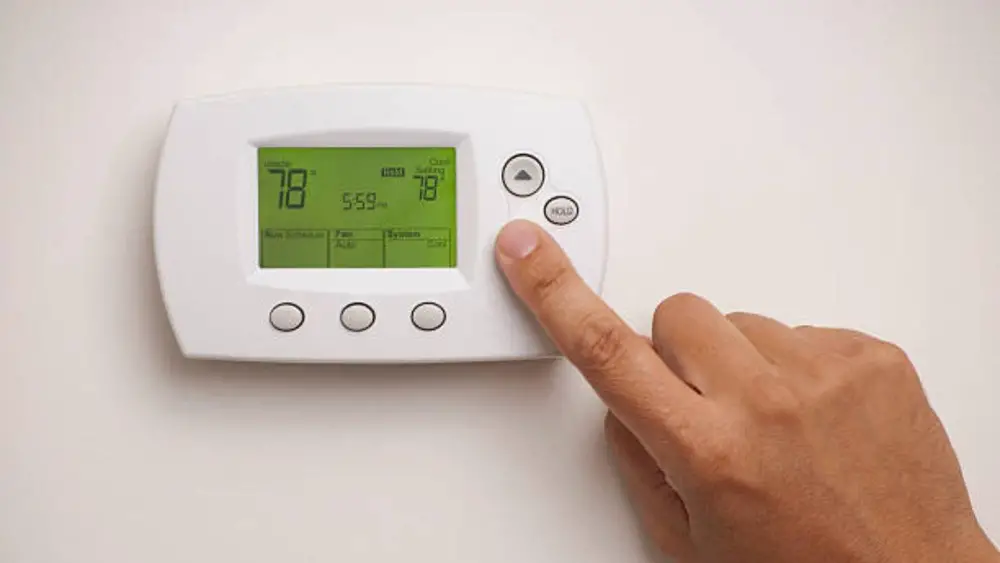
Check Best Thermostat Pricing in Amazon
** As an Amazon Associate, I earn from qualifying purchases.
Have you ever noticed the term “Auxiliary Heat” on your thermostat and wondered what it actually means? If you’ve been curious or confused about why your heating system switches to this mode, you’re not alone.
Understanding auxiliary heat can help you keep your home warm and your energy bills in check. You’ll discover what auxiliary heat is, when it kicks in, and why it matters for your comfort and wallet. Keep reading to make sure your heating system works the way it should when you need it most.

Credit: williamscomfortair.com
Auxiliary Heat Basics
Auxiliary heat is an important feature on many thermostats, especially those paired with heat pumps. It provides extra warmth during very cold weather. Knowing the basics helps you understand why and when your heating system uses this backup heat.
This section explains the purpose of auxiliary heat and how it works with heat pumps. The goal is to make the concept clear and easy to grasp.
Purpose Of Auxiliary Heat
Auxiliary heat helps keep your home warm when the main heat source is not enough. Heat pumps pull heat from outside air. But in freezing weather, they struggle to do this efficiently.
Auxiliary heat turns on to add extra warmth. It acts as a backup system. This prevents your home from becoming cold and uncomfortable.
How It Works With Heat Pumps
Heat pumps use electricity to move heat inside your home. When outdoor temperatures drop, the heat pump’s efficiency drops too.
Auxiliary heat usually uses electric resistance coils. These coils generate heat quickly. The thermostat switches to auxiliary heat when the heat pump cannot keep up.
This switch happens automatically. You might notice the heater running longer or the energy use rising. Auxiliary heat keeps your home cozy during cold snaps.
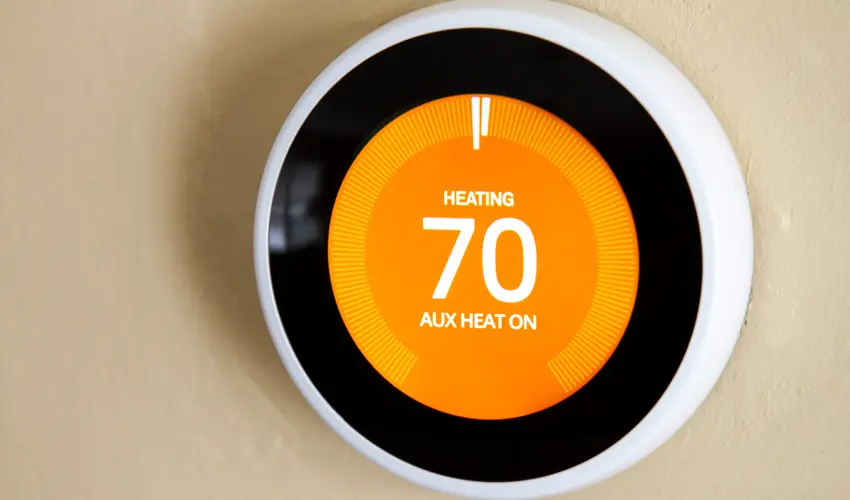
Credit: www.aireserv.ca
When Auxiliary Heat Activates
Auxiliary heat activates when your main heat pump cannot keep up with the heating demand. This extra heat source helps maintain a comfortable temperature inside your home. It supports your system during specific conditions that challenge your heat pump’s efficiency.
Cold Weather Impact
Auxiliary heat usually turns on during very cold weather. Heat pumps struggle to pull heat from freezing air. The colder it gets, the harder your heat pump works. Auxiliary heat steps in to keep your home warm. It uses electric resistance heating to add warmth quickly.
System Demand And Efficiency
Sometimes your home needs more heat than the heat pump can provide alone. This happens during sudden temperature drops or when the house is large. Auxiliary heat activates to meet this extra demand. It prevents the system from working too hard and saves energy in the long run.
Types Of Auxiliary Heat
Auxiliary heat is an important part of many heating systems. It helps keep your home warm when the main heat pump cannot do the job alone. There are different types of auxiliary heat. Each type works in a unique way to support your heating system during very cold days.
Electric Resistance Heat
Electric resistance heat is the most common type of auxiliary heat. It uses electric coils to produce heat. When the heat pump struggles, these coils turn on. They warm the air quickly and send it into your home. This type of heat is easy to control with your thermostat. It is safe and reliable but can use a lot of electricity.
Gas Or Oil Furnace Backup
Some systems use a gas or oil furnace as backup heat. This furnace turns on if the heat pump cannot keep up. It burns fuel to create warm air. This type can be more cost-effective in very cold climates. It also works well in homes without strong electrical systems. The furnace adds extra warmth to keep the house cozy.
Identifying Auxiliary Heat On Your Thermostat
Identifying auxiliary heat on your thermostat helps you understand your heating system better. Auxiliary heat works as a backup to your main heat pump. It turns on during very cold weather or when the heat pump can’t keep up.
Knowing how to spot auxiliary heat lets you save energy and avoid high bills. It also helps you know if your system needs maintenance. Below are common signs and settings to check on your thermostat.
Common Indicators And Symbols
Thermostats often show auxiliary heat with special symbols. Look for a small “AUX” or “EM” light on the display. Some models use a flame icon or a snowflake symbol.
Check Best Thermostat Pricing in Amazon
** As an Amazon Associate, I earn from qualifying purchases.
These symbols turn on when auxiliary heat is active. It means your backup heat is running. The display may change color, like turning red or orange. This shows the system is working harder to warm your home.
Settings To Look For
Check the mode settings on your thermostat. Some have a specific “Auxiliary Heat” or “Emergency Heat” option. This lets you manually turn on the backup heat if needed.
Look at the fan settings too. The fan often runs longer when auxiliary heat is on. It helps spread the warm air faster. Some thermostats also show the outdoor temperature, helping you know when auxiliary heat might start.
Energy Considerations
Auxiliary heat on a thermostat helps keep your home warm during very cold weather. It turns on when the main heating system cannot keep up. This extra heat uses more electricity, which affects your energy use. Understanding energy considerations helps manage your bills and stay warm.
Auxiliary heat often runs on electric resistance heaters. These heaters use more power than regular heat pumps. Using auxiliary heat too much can lead to higher energy costs. Being aware of this helps you control your heating expenses better.
Cost Implications
Auxiliary heat costs more than regular heating. It uses electric resistance, which is less efficient. Running it for long periods can increase your electricity bills. The extra cost depends on how cold it is outside. The colder the weather, the more auxiliary heat you may need.
Using auxiliary heat often means your heating system works harder. This can raise your home’s overall energy use. Expect higher bills during very cold days. Knowing this helps you plan your heating budget better.
Tips To Reduce Usage
Set your thermostat to a steady temperature. Avoid large temperature drops at night or when away. This helps reduce auxiliary heat activation. Use a programmable thermostat to control heating times. Keep your home well insulated to keep warmth inside.
Close curtains and doors to keep heat in rooms. Regular maintenance of your heating system improves efficiency. Replace air filters to allow better airflow. These simple steps reduce auxiliary heat use and save energy.

Credit: www.supertechhvac.com
Troubleshooting Auxiliary Heat Issues
Troubleshooting auxiliary heat issues helps keep your home warm and safe. Auxiliary heat works as a backup when your heat pump cannot meet the temperature demand. Sometimes, it may not work properly, causing discomfort or higher energy bills. Understanding common problems and knowing when to call a professional can save time and money.
Common Problems
One common issue is the auxiliary heat running too often. This can increase energy use and costs. Another problem is the heat not turning on at all. This may happen due to a faulty thermostat or a blown fuse. Dirty or clogged filters can also reduce heat efficiency. Sometimes, the heat strips inside the unit may fail and need replacement. A thermostat set incorrectly can prevent auxiliary heat from activating at the right time.
When To Call A Professional
Call a professional if your auxiliary heat stops working completely. Also, seek help if the heat runs constantly without stopping. Strange noises or burning smells from the unit require immediate service. Avoid trying to fix electrical parts yourself to prevent injury. A technician can check wiring, controls, and heat strips safely. Regular maintenance by a pro ensures your system runs smoothly and lasts longer.
Frequently Asked Questions
What Is Auxiliary Heat On A Thermostat?
Auxiliary heat is a backup heating system that activates when the primary heat pump can’t keep up. It provides extra warmth during very cold weather or sudden temperature drops, ensuring your home stays comfortable.
When Does Auxiliary Heat Turn On Automatically?
Auxiliary heat turns on when the outdoor temperature is too low for the heat pump to operate efficiently. It also activates if the heat pump is malfunctioning or during rapid temperature changes requiring extra heat.
Is Auxiliary Heat More Expensive To Run?
Yes, auxiliary heat usually costs more to operate because it relies on electric resistance heating. It uses more energy than the heat pump, so it’s best to use it only when necessary to save on energy bills.
How Can I Prevent Auxiliary Heat From Running Often?
To reduce auxiliary heat usage, maintain your heat pump regularly and keep air filters clean. Also, set your thermostat to gradual temperature changes and ensure proper insulation in your home to improve heating efficiency.
Conclusion
Auxiliary heat helps your home stay warm when regular heat is not enough. It turns on during very cold days or when your main system struggles. This feature keeps your house cozy and safe from freezing temperatures. Knowing how auxiliary heat works can help you use your thermostat better.
It also helps avoid high energy bills by using heat wisely. Keep an eye on your system to ensure it runs smoothly. Auxiliary heat is a backup, not the main source. Understanding this helps you stay comfortable all winter.
Check Best Thermostat Pricing in Amazon
** As an Amazon Associate, I earn from qualifying purchases.