
Check Best Thermostat Pricing in Amazon
** As an Amazon Associate, I earn from qualifying purchases.
Have you ever wondered how your air conditioner or refrigerator keeps things cool and comfortable? The secret lies in a small but powerful part called the thermostatic expansion valve.
This tiny device controls the flow of refrigerant, making sure your cooling system works efficiently and saves energy. If you want to understand how your cooling system stays balanced and why this valve is so important, keep reading. By the end, you’ll see how this simple component plays a big role in your comfort every day.
Credit: www.danfoss.com
Role In Hvac Systems
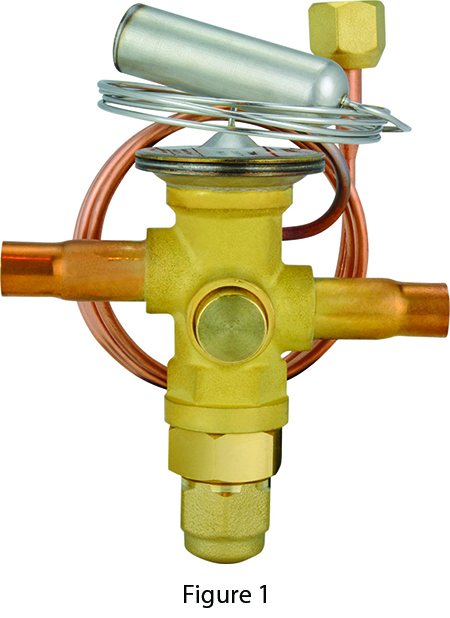
The thermostatic expansion valve (TXV) plays a key role in HVAC systems. It controls how much refrigerant flows into the evaporator. This control helps keep the system running smoothly and efficiently. Without the TXV, the system could waste energy or fail to cool properly.
Its role is critical for balancing the cooling process. The valve adjusts based on the system’s needs. This ensures comfort and saves power in homes and buildings. Understanding this part helps explain how HVAC systems work better.
Controlling Refrigerant Flow
The TXV regulates refrigerant entering the evaporator coil. It opens or closes to match cooling demand. When more cooling is needed, it allows more refrigerant. When less cooling is required, it reduces the flow. This precise control prevents too much or too little refrigerant.
Proper refrigerant flow means the evaporator can absorb heat efficiently. The TXV reacts to temperature changes to keep this balance. It senses the refrigerant’s pressure and temperature to adjust itself. This helps the system avoid freezing or overheating.
Maintaining System Efficiency
By controlling refrigerant flow, the TXV keeps the system efficient. It avoids wasting energy by not overcooling or undercooling. The valve’s adjustments help maintain the right temperature inside buildings. This reduces electricity use and lowers utility bills.
Efficiency also means longer system life. The TXV prevents damage caused by poor refrigerant flow. It protects the compressor and other parts from stress. A well-functioning TXV supports reliable and cost-effective HVAC operation.
How It Works
The thermostatic expansion valve plays a key role in cooling systems. It controls the flow of refrigerant to keep the system efficient. Understanding how it works helps explain why it is important in air conditioners and refrigerators.
Sensing Temperature Changes
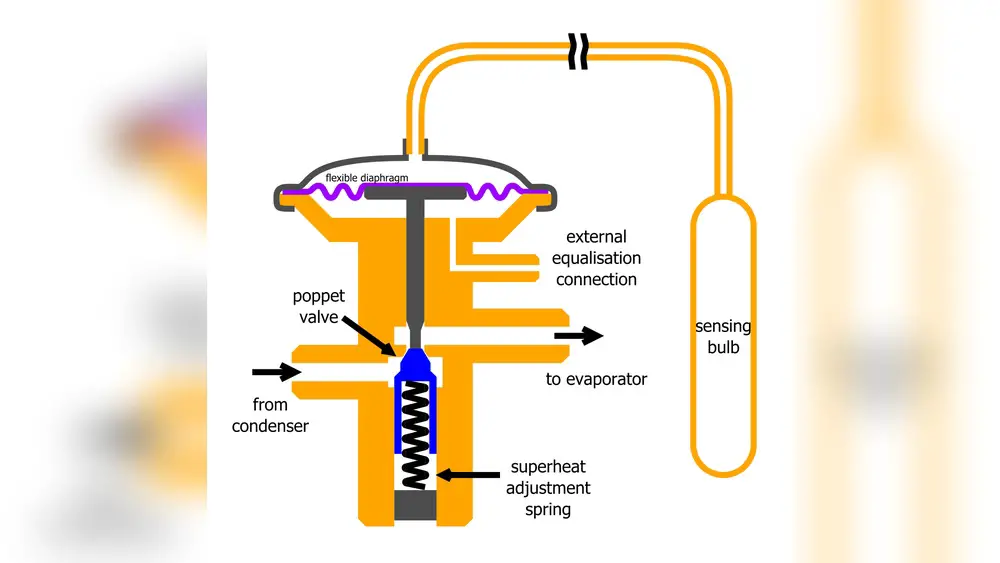
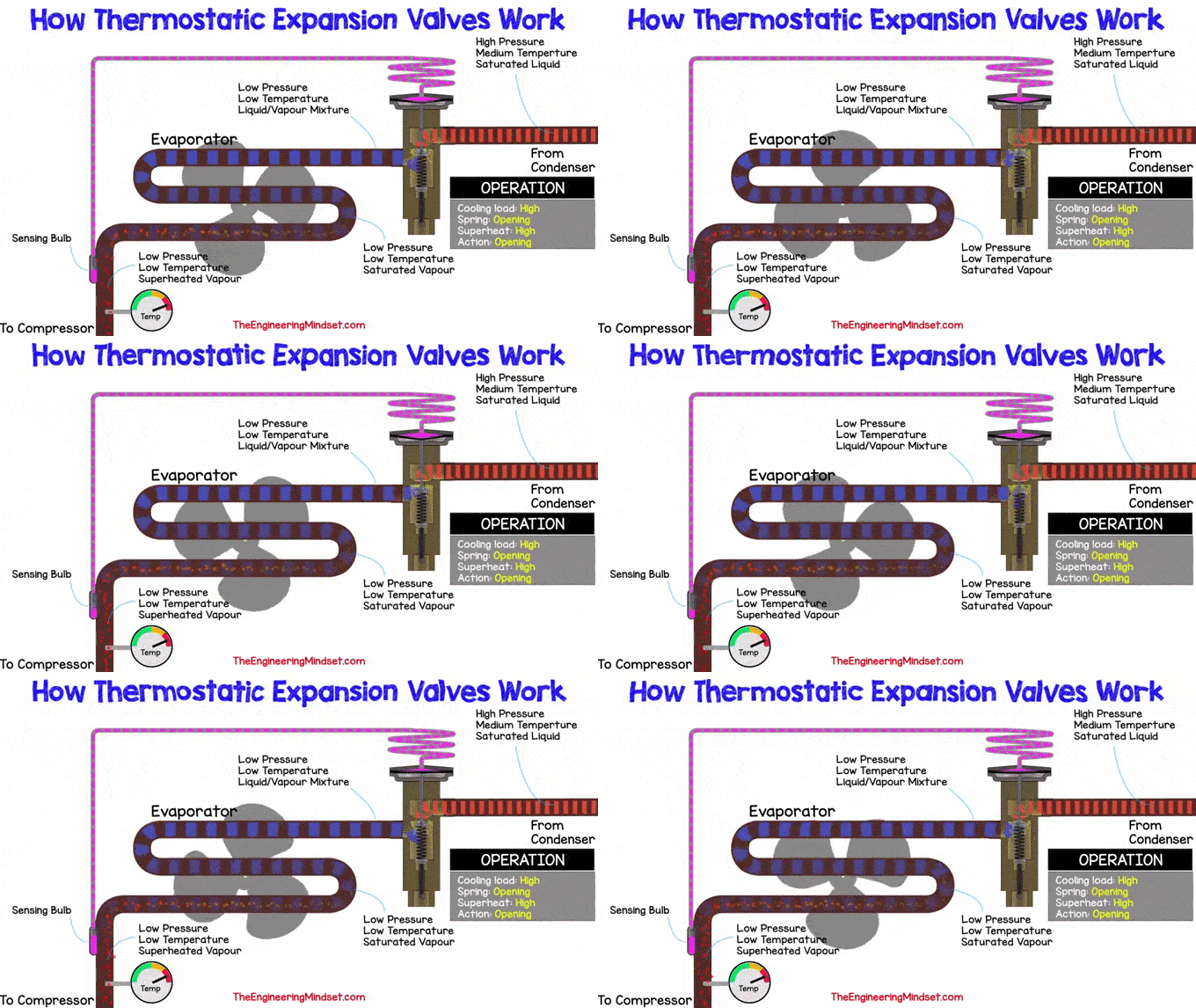
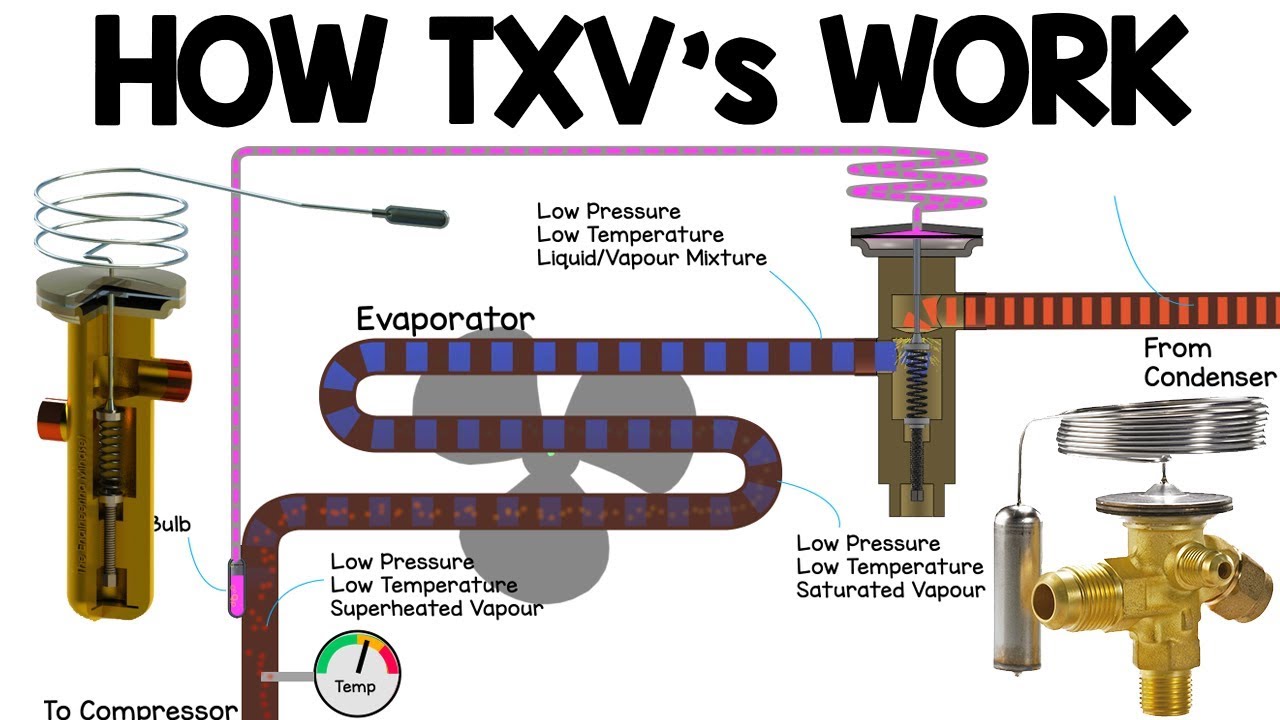
The valve has a sensor bulb that feels the temperature of the refrigerant. This bulb is filled with a special fluid that reacts to heat. When the refrigerant gets warmer, the fluid expands. When it cools down, the fluid contracts. This change in pressure tells the valve how much refrigerant to let through.
Adjusting Valve Opening
The valve opens or closes based on the pressure from the sensor bulb. If the refrigerant is warm, the valve opens wider to let more flow. If the refrigerant is cool, the valve narrows to reduce flow. This balance keeps the system running smoothly and prevents damage.
Types Of Expansion Valves
Expansion valves control the flow of refrigerant in cooling systems. Different types suit various needs and systems. Understanding these types helps in choosing the right valve for efficient cooling performance. This section explains the common types of expansion valves and their differences.
Thermostatic Vs Electronic
Thermostatic expansion valves use a temperature sensor to adjust refrigerant flow. They react to changes in temperature to keep cooling steady. These valves are simple and reliable for many systems.
Electronic expansion valves use sensors and electronic controls. They offer precise control over refrigerant flow. These valves adapt quickly to changes, improving energy efficiency. They work well in advanced and complex systems.
Common Designs
Common expansion valve designs include internally and externally equalized valves. Internally equalized valves sense pressure inside the valve body. They work best when the pressure difference is stable.
Externally equalized valves use a separate pressure line. This design handles varying pressure differences well. It is ideal for systems with long refrigerant lines or complex layouts.
Other designs include balanced port and low-pressure drop valves. Balanced port valves reduce pressure variations for smoother operation. Low-pressure drop valves improve system efficiency by minimizing pressure loss.
Credit: theengineeringmindset.com
Benefits In Hvac Performance
Thermostatic Expansion Valves (TXVs) play a key role in HVAC systems. They help control refrigerant flow precisely. This control improves system performance and reliability. Using a TXV brings several benefits to HVAC operation.
Check Best Thermostat Pricing in Amazon
** As an Amazon Associate, I earn from qualifying purchases.
These benefits affect energy use and cooling power. They also help maintain consistent indoor comfort. Understanding these advantages shows why TXVs are important.
Energy Savings
TXVs regulate refrigerant to match cooling demand exactly. This prevents waste of energy by avoiding excess refrigerant flow. Less energy is needed to cool spaces efficiently. Systems with TXVs often use less electricity. This lowers utility bills and reduces environmental impact.
Improved Cooling Capacity
By controlling refrigerant flow carefully, TXVs keep the evaporator coil cool. This improves heat absorption from indoor air. The system can cool rooms faster and more evenly. TXVs help avoid overheating or freezing of the coil. This leads to better overall cooling performance.
Installation And Maintenance Tips
Installing and maintaining a thermostatic expansion valve (TXV) properly helps your system work well. Small mistakes can cause poor cooling or heating. Careful steps keep your TXV running smoothly and extend its life.
Follow clear guidelines for placement and routine checks. These tips prevent common problems and make repairs easier. A well-maintained TXV saves energy and improves comfort in your home or business.
Proper Placement
Place the TXV near the evaporator coil. It must sense temperature changes accurately. Avoid spots with direct sunlight or heat sources. These can give false readings and reduce efficiency.
Ensure the valve is easy to access. This helps with inspection and maintenance. Use proper tools to connect the valve tightly. Loose fittings cause leaks and lower system performance.
Common Issues And Fixes
Watch for signs like frost on the evaporator or uneven cooling. These can mean the TXV is clogged or stuck. Clean the valve and check for debris inside. Replace damaged parts quickly to avoid bigger damage.
Check the sensing bulb’s tightness and insulation. Loose bulbs cause wrong temperature control. Regularly inspect for leaks in connections and tubing. Fix leaks immediately to keep the system efficient.
Signs Of A Faulty Valve
Signs of a faulty thermostatic expansion valve are often subtle at first. Noticing these signs early helps prevent bigger problems. A valve that does not work well affects the cooling system’s performance. It can cause discomfort and higher energy bills. Understanding these signs helps you act quickly.
Temperature Fluctuations
One clear sign of a bad valve is temperature changes. The cooling may feel uneven or inconsistent. Sometimes it gets too cold, then too warm. This happens because the valve fails to control refrigerant flow properly. The system cannot maintain a steady temperature. Small changes become noticeable over time.
Reduced System Efficiency
A faulty valve lowers the system’s efficiency. The cooling unit uses more energy to reach the desired temperature. This leads to higher electricity costs. The system may also run longer than usual. This extra work shortens the equipment’s life. Reduced efficiency signals that the valve needs attention.
Credit: www.youtube.com
Frequently Asked Questions
What Is The Main Function Of A Thermostatic Expansion Valve?
A thermostatic expansion valve regulates refrigerant flow in HVAC systems. It controls the amount based on cooling demand, ensuring efficient operation. This valve maintains the correct superheat, preventing compressor damage and optimizing energy use.
How Does A Thermostatic Expansion Valve Improve Hvac Efficiency?
The valve precisely controls refrigerant flow, matching cooling load requirements. This reduces energy waste and maintains consistent temperature. Proper regulation also protects system components, extending equipment lifespan and lowering maintenance costs.
Where Is A Thermostatic Expansion Valve Installed In Hvac?
It is installed between the condenser and evaporator coil. This placement allows it to control refrigerant entering the evaporator. Proper positioning is crucial for accurate temperature and pressure regulation in the cooling cycle.
Can A Faulty Thermostatic Expansion Valve Cause Cooling Issues?
Yes, a malfunctioning valve can cause poor cooling or system freeze-ups. It may allow too much or too little refrigerant flow. Detecting valve issues early helps avoid costly repairs and inefficient system performance.
Conclusion
A thermostatic expansion valve controls the flow of refrigerant in cooling systems. It keeps the system efficient and stable. By adjusting the refrigerant amount, it prevents overheating or freezing. This helps protect the compressor and other parts. Understanding its role can improve system performance and longevity.
Small but vital. A key part of many air conditioners and refrigerators. Knowing how it works helps in maintenance and troubleshooting. It keeps your cooling system running smoothly and saves energy. Simple yet important.
Check Best Thermostat Pricing in Amazon
** As an Amazon Associate, I earn from qualifying purchases.