
Check Best Thermostat Pricing in Amazon
** As an Amazon Associate, I earn from qualifying purchases.
Wiring a thermostat for your AC might seem tricky, but it doesn’t have to be. If you want to control your home’s temperature easily and save on energy bills, knowing how to wire your thermostat correctly is key.
In this guide, you’ll get simple, step-by-step instructions that anyone can follow. By the end, you’ll feel confident to handle the wiring yourself—no confusion, no stress. Ready to make your AC work exactly how you want it? Let’s dive in.
Credit: www.youtube.com
Tools And Materials Needed
Wiring a thermostat for your AC needs the right tools and materials. Having these ready makes the job easier and safer. Preparation is key for a smooth installation.
Basic Tools
You will need a screwdriver set, both flathead and Phillips. A wire stripper helps remove insulation from wires cleanly. Needle-nose pliers assist in bending or holding wires. A voltage tester checks if wires carry current. A drill may be required to mount the thermostat. Keep electrical tape nearby to secure wire connections.
Thermostat Types
Know the kind of thermostat you have. Mechanical thermostats are simple with fewer wires. Digital thermostats may need more wires and settings. Smart thermostats connect to Wi-Fi and often require a C-wire. Check the instructions that come with your thermostat model. This helps you gather the right wiring materials.
Safety Gear
Protect yourself during installation. Use insulated gloves to avoid electric shocks. Safety goggles shield your eyes from dust or debris. Wear closed-toe shoes for foot safety. Turn off the power at the circuit breaker before starting. Safety first prevents accidents and injuries.
Credit: ecoactions.homedepot.com
Preparing For Installation
Preparing for installation is the first step to wiring your thermostat for AC. It helps to keep the process safe and smooth. Taking time at this stage avoids mistakes later.
Follow clear steps to get ready. Each step builds a strong foundation for the wiring task ahead.
Turn Off Power
Safety starts with power off. Find your home’s main breaker box. Switch off the power to the AC system and thermostat. This stops any electric shocks while you work. Use a voltage tester to confirm no current flows.
Locate Existing Thermostat
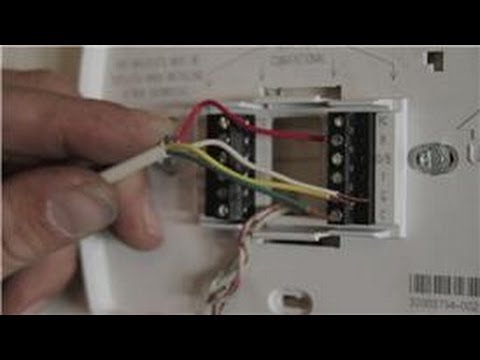
Find the old thermostat on your wall. It is usually near the living room or hallway. Remove the cover gently. Take a picture of the wiring to use later. This helps to match wires correctly during installation.
Identify Wiring
Look at the wires coming from the wall. Note their colors and positions. Common wires include red, white, green, and yellow. Each color has a specific function. Label each wire with tape and a marker. This step makes connecting the new thermostat easier and safer.
Wiring Basics
Wiring a thermostat for an AC requires understanding the basics of electrical connections. The wires carry signals between the thermostat and the air conditioning system. Each wire has a specific role. Knowing these roles helps avoid mistakes and ensures the AC works properly.
Common Wire Colors
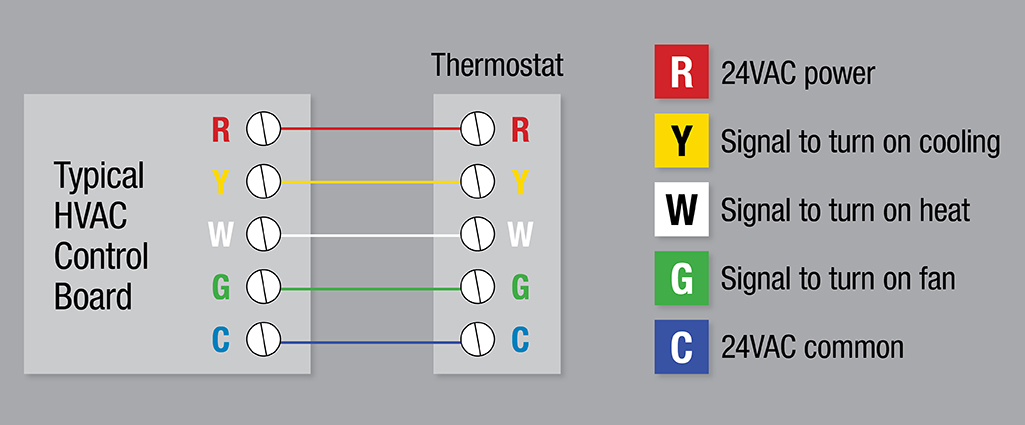
Thermostat wires often come in standard colors. Red usually connects to the power source. White controls heating. Green is for the fan. Yellow is the cooling signal. Blue or black often serves as the common wire. These colors help identify each wire’s function easily.
Wire Functions
Each wire controls a different part of the AC system. The red wire provides power to the thermostat. The yellow wire tells the AC to cool. The green wire turns the fan on and off. The white wire manages heating, if present. The blue or black wire completes the circuit, acting as common ground.
Labeling Wires
Labeling wires prevents confusion during installation. Use small tags or tape to mark each wire’s letter or color. This helps you reconnect wires correctly later. Labeling saves time and avoids errors. It is a simple step with big benefits.
Connecting The Thermostat
Connecting the thermostat is a key step in wiring your AC system. It ensures your thermostat can control the air conditioner correctly. This process involves removing the old thermostat, attaching wires to the new one, and securing the device to the wall. Each step must be done carefully to avoid mistakes and ensure proper function.
Remove Old Thermostat
Start by turning off the power to your AC system. Remove the thermostat cover gently. Unscrew the thermostat base from the wall. Take a clear photo of the wires connected to the old thermostat. Label each wire with tape for easy identification. Disconnect the wires carefully to avoid damage.
Check Best Thermostat Pricing in Amazon
** As an Amazon Associate, I earn from qualifying purchases.
Attach Wires To New Thermostat
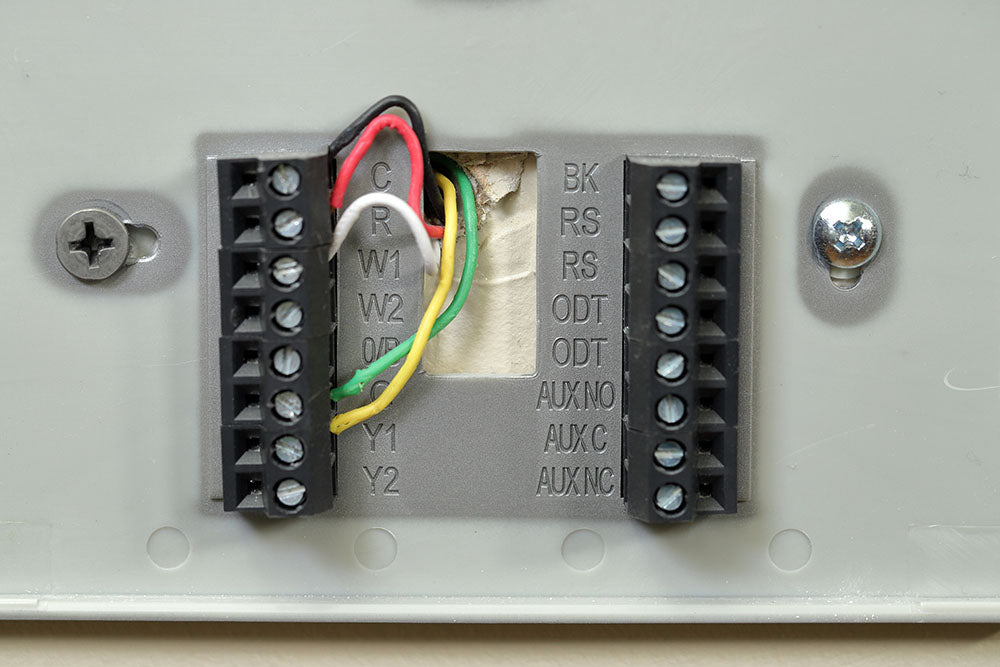
Match each wire with the corresponding terminal on the new thermostat. Follow the labels or photo you took earlier. Insert each wire into the correct terminal and tighten the screws. Ensure wires are secure and no bare wire is exposed. Double-check the wiring against the thermostat manual. This prevents wiring errors and system issues.
Secure Thermostat To Wall
Place the thermostat base against the wall. Align it with the screw holes. Use screws to fasten the base firmly to the wall. Avoid over-tightening to prevent damage. Snap or attach the thermostat display onto the base. Restore power to the AC system and test the thermostat for proper operation.
Testing And Troubleshooting
Testing and troubleshooting are important after wiring your thermostat for AC. They ensure the system works well and safely. This step helps find any wiring mistakes or issues. Fixing these problems early saves time and money. Follow these simple steps to check your setup and solve common problems.
Restore Power
Turn the power back on at the circuit breaker. Make sure the thermostat display lights up. If it does not, check the breaker or fuse again. Power must reach the thermostat for it to work. Never skip this step before testing your AC.
Test Ac Function
Set the thermostat to a temperature lower than the room’s current temperature. The air conditioner should turn on within a few minutes. Listen for the fan and compressor running. Check if cool air comes from the vents. Turn the thermostat off to see if the AC stops. This test confirms the wiring and control signals are correct.
Common Wiring Issues
Wrong wire connections cause many AC problems. Check that each wire matches the correct terminal on the thermostat. Loose wires can cut power or cause short circuits. Broken or damaged wires stop signals from reaching the AC. Mixing up the ‘R’ and ‘C’ wires can prevent the system from powering. Double-check every wire for a secure and proper fit.
Tips For Optimal Cooling
Proper wiring of your thermostat is just the start. To keep your AC running efficiently, follow some important tips. These help your system cool your home better and save energy. Small changes make a big difference in comfort and costs.
Focus on where you place the thermostat, how you set it up, and regular upkeep. These steps improve cooling and extend your AC’s life.
Thermostat Placement
Place the thermostat on an inside wall away from heat sources. Avoid direct sunlight, lamps, or vents nearby. These can trick the thermostat into thinking the room is hotter than it is. Keep it at eye level for easy access and accurate readings.
Programming Settings
Use programmable settings to save energy. Set the temperature higher when you are out or asleep. Lower it before you return or wake up. This avoids cooling empty rooms and reduces electricity bills. Choose a temperature that feels comfortable but not too cold.
Maintenance Advice
Clean or replace air filters regularly. Dirty filters block airflow and reduce cooling. Check thermostat batteries every year to prevent failures. Dust the thermostat gently to keep sensors clear. Call a professional for yearly AC tune-ups to keep it in top shape.
Credit: superiorhomesupplies.com
Frequently Asked Questions
How Do I Wire A Thermostat To An Ac Unit?
To wire a thermostat to an AC, connect the R wire to power, the Y wire to the compressor, and the G wire to the fan. Ensure the C wire is connected for constant power. Follow the thermostat’s wiring diagram carefully to avoid errors.
What Tools Are Needed To Wire A Thermostat For Ac?
You need a screwdriver, wire stripper, voltage tester, and electrical tape. A drill may help for mounting. These tools ensure safe, efficient wiring of your thermostat to the AC system.
Can I Wire A Thermostat Without A C Wire?
Some modern thermostats support wireless or battery power, eliminating the need for a C wire. However, most AC systems require a C wire for continuous power to the thermostat.
How To Identify Thermostat Wires For Ac Installation?
Thermostat wires are color-coded: red (R) for power, yellow (Y) for compressor, green (G) for fan, white (W) for heat, and blue/black (C) for common wire. Always verify with your system’s manual.
Conclusion
Wiring a thermostat for your AC can seem tricky at first. Take your time and follow each step carefully. Double-check all connections before turning the power back on. A properly wired thermostat helps your AC work efficiently. It keeps your home cool and comfortable.
Safety matters most, so always switch off the power first. Small mistakes can cause bigger problems later. With patience, you can do this yourself. Enjoy a cooler home with a well-installed thermostat.
Check Best Thermostat Pricing in Amazon
** As an Amazon Associate, I earn from qualifying purchases.