
Check Best Thermostat Pricing in Amazon
** As an Amazon Associate, I earn from qualifying purchases.
Is your hot water not as hot as it used to be? Or maybe it’s overheating and wasting energy?
The problem might be your hot water heater thermostat. Knowing how to test it yourself can save you time, money, and a big headache. In this guide, you’ll learn simple steps to check if your thermostat is working right. No confusing tech talk—just clear instructions you can follow.
Keep reading, and you’ll be able to spot the problem and decide what to do next with confidence.
Tools Needed
Testing a hot water heater thermostat needs some basic tools. These tools help you check the thermostat safely and accurately. Preparing them before starting saves time and effort. Here are the main tools required for this task.
Multimeter
A multimeter measures electrical current and voltage. It helps check if the thermostat works correctly. Choose a multimeter with clear settings for resistance and continuity tests.
Screwdriver
A screwdriver removes the access panel on the water heater. Use a flathead or Phillips screwdriver depending on the screws. This tool is essential for reaching the thermostat.
Insulated Gloves
Insulated gloves protect your hands from electrical shocks. Wear these gloves before handling any electrical parts. Safety is very important during testing.
Flashlight
A flashlight lights up dark areas inside the heater. It helps you see the thermostat and wires clearly. Good lighting prevents mistakes and accidents.
Thermometer
A thermometer checks the water temperature after adjusting the thermostat. This tool confirms if the thermostat controls the heat properly. Use a simple digital or analog thermometer.

Credit: www.reddit.com
Safety Precautions
Safety is the first step before testing a hot water heater thermostat. It protects you from electric shocks and burns. Taking the right precautions lowers risks and helps you work with confidence.
Follow these safety tips to stay safe while testing your water heater thermostat.
Turn Off The Power Supply
Always switch off the power at the circuit breaker. This stops electricity from flowing to the water heater. Double-check by trying to turn the heater on. No power means no shocks.
Use Insulated Tools
Pick tools with insulated handles. They prevent electric current from passing through your body. This simple step adds a strong layer of protection.
Wear Protective Gear
Put on rubber gloves and safety goggles. Gloves stop electric shocks. Goggles protect your eyes from sparks or debris. Safety gear keeps you safe during the test.
Let The Heater Cool Down
Hot water heaters can be very hot. Wait for the unit to cool before touching it. This prevents burns and makes handling easier.
Work In A Dry Area
Water and electricity don’t mix well. Ensure the area around the heater is dry. Avoid standing on wet floors. Dry surroundings reduce the risk of accidents.
Locate The Thermostat
Locating the thermostat on your hot water heater is the first step to testing it. The thermostat controls the temperature of the water inside the tank. Finding it helps you check if it works properly.
Most water heaters have two thermostats. One is near the top of the tank, and the other is near the bottom. Each controls heating elements that warm the water. Knowing their locations is important for testing each one.
Turn Off The Power Supply
Before locating the thermostat, switch off the power. This stops any chance of electric shock. Find the circuit breaker and turn it off. Safety first.
Remove The Access Panel
Look for a metal panel on the side of the water heater. Use a screwdriver to remove screws. Take off the panel carefully to see inside.
Find The Thermostat Behind The Insulation
You will see a layer of insulation behind the panel. Pull it back gently to expose the thermostat. It looks like a small box with wires connected.
Identify The Temperature Dial
The thermostat has a temperature dial or a small knob. This dial lets you set the desired water temperature. Noticing this helps confirm you found the right part.
Turn Off Power
Turning off the power is the first and most important step before testing a hot water heater thermostat. It protects you from electric shock and prevents damage to the appliance. Always ensure the power source is completely off before touching any parts inside the heater.
Electric water heaters run on high voltage. Even a small mistake can cause serious injury. Taking time to cut the power keeps you safe throughout the process.
Locate The Circuit Breaker
Find the main electrical panel in your home. Look for the breaker labeled for the water heater. The label might say “water heater” or “hot water.” If you cannot find the label, turn off the main breaker to cut all power safely.
Switch Off The Breaker
Flip the breaker switch to the “off” position. This stops electricity from reaching the water heater. Double-check that the switch is firmly in the off spot. Loose switches may still allow some current.
Verify Power Is Off
Use a non-contact voltage tester near the heater wires. The tester should show no voltage. If it still detects power, do not proceed. Recheck the breaker or call a professional.
Remove Access Panels
Removing access panels is the first step in testing a hot water heater thermostat. These panels cover the thermostat and heating elements inside the water heater. Taking them off gives you clear access to the parts you need to test. This step is simple but must be done carefully to avoid damage or injury.
Access panels are usually held in place by screws. You will need a screwdriver to remove them. Make sure the power to the water heater is off before starting. This keeps you safe from electric shock.
Locate The Access Panels
Find the access panels on the side of your water heater. Most tanks have two panels: one for the upper thermostat and one for the lower thermostat. Sometimes the panels are covered by insulation. Gently pull back the insulation to see the screws.
Remove The Screws
Use a screwdriver to take out the screws holding the panels. Keep the screws in a safe place so you don’t lose them. Remove the panel slowly. If it feels stuck, check for hidden screws or clips.
Remove The Insulation
Behind the panels, you may find insulation material. Pull it away carefully. Set the insulation aside where it won’t get dirty or torn. This step lets you see the thermostat and heating elements clearly.
Check Best Thermostat Pricing in Amazon
** As an Amazon Associate, I earn from qualifying purchases.
Inspect The Area
Look inside for dirt, rust, or water damage. Clean the area if needed with a dry cloth. A clean workspace helps with accurate testing and safe handling of parts.
Credit: www.lucautosrl.it
Test The Thermostat With A Multimeter
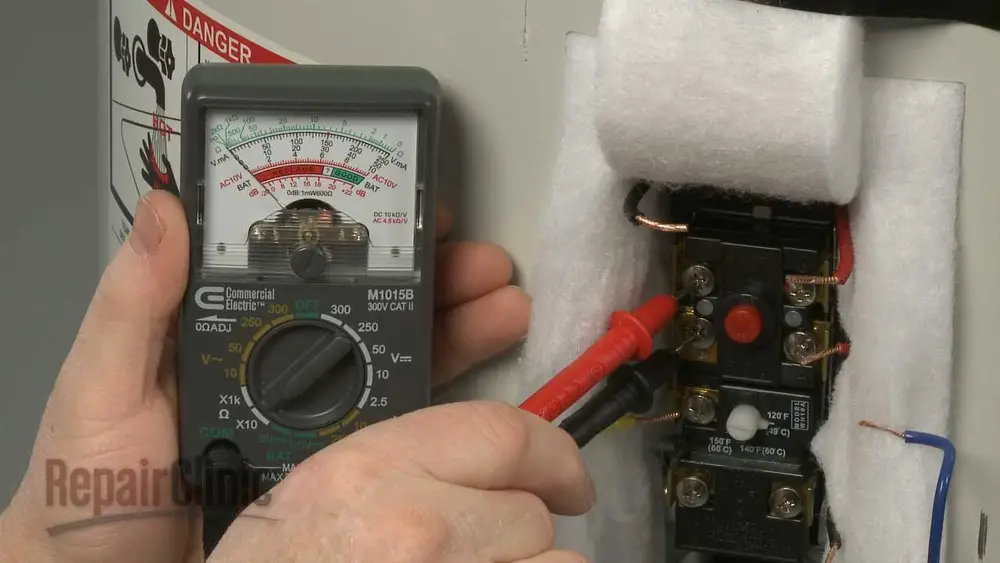
Testing the thermostat of a hot water heater is simple with a multimeter. This tool helps check if the thermostat works correctly. It measures electrical signals and continuity inside the thermostat. A working thermostat will show continuity, meaning the circuit is complete and electricity can flow. A broken thermostat will show no continuity, meaning the circuit is open and electricity cannot pass.
Set Multimeter To Continuity
First, turn on your multimeter and set it to the continuity mode. This mode often has a symbol like a sound wave or diode. Continuity mode lets the multimeter beep or show a reading if the circuit is complete. Make sure the multimeter’s probes are connected correctly: black to common (COM) and red to voltage or continuity jack. This setup prepares the tool to test the thermostat’s electrical path.
Check Thermostat Contacts
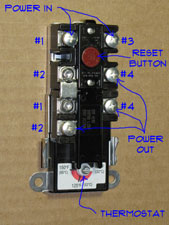
Next, locate the thermostat contacts on the hot water heater. These are usually screws or terminals where wires attach. Touch the multimeter probes to each contact. If the multimeter beeps or shows a low resistance number, the thermostat contacts work fine. No beep or a high resistance number means the contacts are faulty. Replace the thermostat if you find no continuity. This test ensures your thermostat controls water temperature safely and effectively.
Adjust Thermostat Temperature
Adjusting the thermostat temperature on your hot water heater helps control how hot the water gets. Setting the right temperature saves energy and prevents scalding. This section shows simple steps to adjust the thermostat safely and correctly.
Use A Flathead Screwdriver
Most hot water heater thermostats have a small dial or screw. Use a flathead screwdriver to turn it. Turn the screwdriver slowly to increase or decrease the temperature. Make small changes to avoid overheating or too cold water. Always turn off the power to the heater before adjusting the thermostat. This keeps you safe from electric shock.
Recommended Temperature Settings
The ideal hot water temperature is usually 120°F (49°C). This temperature kills most bacteria and saves energy. Setting it too high wastes electricity and risks burns. Too low, and the water may not be hot enough for cleaning or bathing. Check your heater’s manual for specific advice. Adjust the thermostat to this safe and efficient range for best results.

Credit: www.youtube.com
Check Thermostat Wiring
Checking the thermostat wiring is an important step in testing a hot water heater thermostat. Faulty or loose wiring can cause the heater to stop working properly. You need to make sure all wires are connected correctly and are not damaged.
Turn off the power to the water heater before starting. This keeps you safe from electrical shocks. Use a screwdriver to remove the thermostat cover. Then, inspect the wires attached to the thermostat carefully.
Identify The Thermostat Wires
Look for wires connected to the thermostat terminals. Usually, these wires are color-coded. Common colors include red, white, or black. Make sure you know which wire goes where by checking the heater’s manual.
Check For Loose Connections
Loose wires can cause the thermostat to fail. Gently tug each wire to see if it is firmly attached. If a wire feels loose, tighten the terminal screw. Secure connections help the thermostat work better.
Look For Damaged Or Burned Wires
Damaged wires may have cracks or burn marks. These signs show the wires are unsafe. Replace any damaged wires before testing the thermostat again. Damaged wires can cause shorts or heating problems.
Use A Multimeter To Test Continuity
A multimeter helps check if the wires are working. Set the multimeter to continuity mode. Touch the probes to the wire ends. A beep or reading means the wire is good. No beep means the wire is broken.
Reassemble And Restore Power
After testing the hot water heater thermostat, reassembling and restoring power is the next step. This process ensures the heater works safely and correctly. Follow the steps carefully to avoid damage or injury.
Take your time to put everything back in place as it was. Proper reassembly helps the water heater function without issues.
Reattach The Thermostat Cover
Place the thermostat cover back on the heater. Align it properly with the screw holes. Use a screwdriver to secure the cover tightly. This protects the thermostat and prevents dust or water entry.
Secure Any Removed Panels
Check for any panels removed during testing. Fit them back securely in their original spots. Tighten screws or fasteners to hold panels firmly. This step keeps the heater insulated and safe.
Restore Power To The Water Heater
Switch the circuit breaker back on or reconnect the power supply. Confirm the power is restored by checking the heater’s indicator light. Never touch wiring during this step to avoid shocks.
Test The Heater Operation
Turn the thermostat to the desired temperature. Wait a few minutes for the heater to warm up. Check if hot water flows from the tap. This confirms the thermostat works properly after reassembly.
Troubleshooting Common Issues
Troubleshooting common issues with your hot water heater thermostat saves time and money. Knowing how to spot problems helps you fix them quickly. Many issues come from thermostat settings or wiring faults. Testing the thermostat can show what needs repair or replacement.
Below are common problems and simple ways to identify their causes. These tips help you understand your water heater better.
No Hot Water
No hot water often means the thermostat is not working. Check if the circuit breaker is on. Use a multimeter to test the thermostat for power. If no voltage shows, the thermostat might be faulty. Also, inspect wiring for loose connections. A broken thermostat can stop heating completely.
Water Too Hot
Water too hot can cause burns or damage pipes. The thermostat may be set too high. Lower the temperature setting to around 120°F (49°C). If the water stays hot, the thermostat may be stuck. A stuck thermostat sends constant power to the heating element. Replace the thermostat if adjusting settings does not help.
Inconsistent Temperature
Water temperature that changes often is a sign of thermostat trouble. Loose wiring or a failing thermostat may cause this. Test the thermostat with a multimeter for steady readings. Check for corrosion or dirt on contacts. Cleaning or replacing the thermostat can fix uneven heating.
Frequently Asked Questions
How Do I Test A Hot Water Heater Thermostat?
Turn off power, remove access panel, and use a multimeter. Check for continuity between thermostat terminals. No continuity means a faulty thermostat.
What Tools Are Needed To Test A Hot Water Heater Thermostat?
You need a multimeter, screwdriver, and voltage tester. These tools help safely check thermostat functionality and electrical connections.
How Can I Tell If My Thermostat Is Faulty?
Look for inconsistent water temperature or no hot water. If the multimeter shows no continuity, the thermostat likely needs replacement.
Is It Safe To Test A Hot Water Heater Thermostat?
Yes, if you turn off power at the breaker first. Always use insulated tools and follow safety guidelines to avoid shock.
Conclusion
Testing a hot water heater thermostat keeps your system running well. It helps find problems early and saves repair costs. Use simple tools and follow safety steps carefully. Check for power, temperature settings, and continuity. Regular checks ensure warm water when you need it.
Small effort now avoids big troubles later. Stay safe and keep your water heater working right.
Check Best Thermostat Pricing in Amazon
** As an Amazon Associate, I earn from qualifying purchases.