
Check Best Thermostat Pricing in Amazon
** As an Amazon Associate, I earn from qualifying purchases.
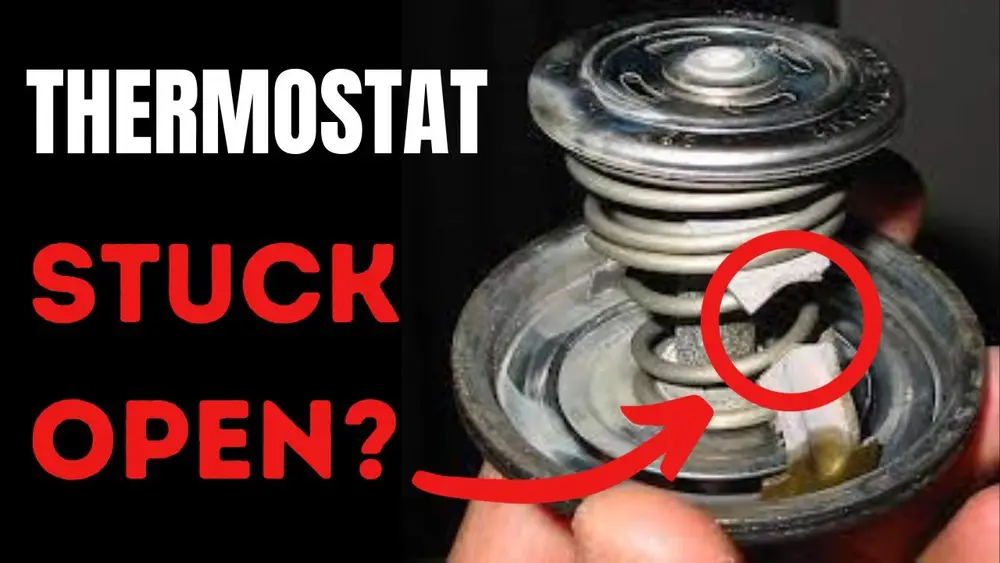
Is your car’s engine running colder than usual? You might be dealing with a thermostat stuck open.
This small part controls your engine’s temperature, and when it fails, it can cause serious problems. But how can you tell if your thermostat is stuck open? You’ll discover clear signs to watch for and simple steps to check it yourself.
Keep reading, because catching this issue early can save you time, money, and hassle down the road.
Credit: discover.hubpages.com
Thermostat Function Basics
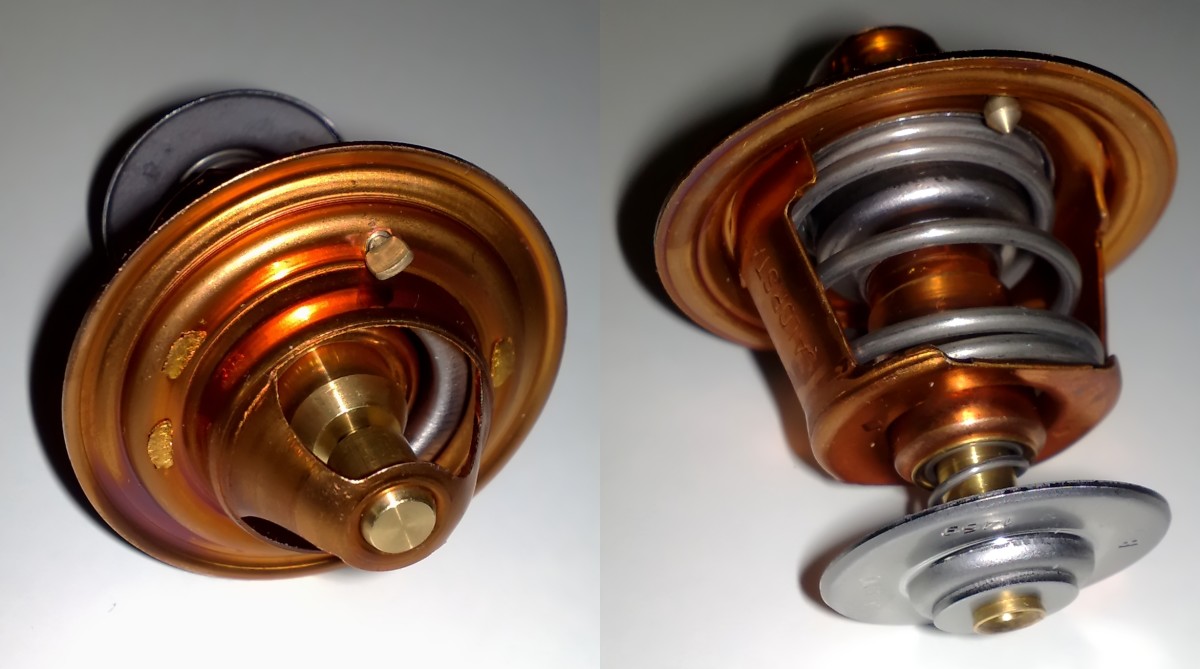
The thermostat is a small but important part of your vehicle’s engine. It controls the engine temperature by managing the flow of coolant. Understanding how it works helps you notice problems early.
Role In Engine Cooling
The thermostat acts like a gate for the engine coolant. It stays closed when the engine is cold. This helps the engine warm up faster. Once the engine reaches the right temperature, the thermostat opens. It lets the coolant flow through the radiator. This keeps the engine from overheating.
Normal Operation Cycle
The thermostat opens and closes in a cycle. It opens gradually as the engine heats up. This controls the coolant flow smoothly. The engine stays at a steady temperature. If the thermostat is stuck open, the engine cools too much. If it is stuck closed, the engine can get very hot.
Symptoms Of A Stuck Open Thermostat
Recognizing the symptoms of a stuck open thermostat helps you avoid bigger car problems. This part controls the engine’s temperature by opening and closing at the right times. When it stays open, the engine can’t reach its ideal warmth. This causes several noticeable issues while driving. Knowing these signs keeps your car running smoothly.
Engine Running Cooler Than Normal
The engine stays colder than usual because coolant flows constantly. The thermostat never closes to warm up the engine. Cold engine means less efficient performance. You may notice the engine takes longer to heat after starting. This symptom is a key sign of a stuck open thermostat.
Heater Performance Issues
The car heater blows cold or lukewarm air instead of warm air. The engine’s coolant temperature is too low to heat the cabin. This happens because the thermostat does not close properly. Poor heater output is a common symptom of thermostat trouble. It can make winter driving uncomfortable.
Fluctuating Temperature Gauge
The temperature gauge moves up and down irregularly. This happens because the engine temperature is unstable. Coolant flow is not controlled well with a stuck open thermostat. The gauge may stay low or suddenly rise and fall. This behavior indicates thermostat problems that need attention.
Increased Fuel Consumption
The engine uses more fuel than normal because it runs cold. Cold engines require extra fuel to keep running smoothly. A stuck open thermostat causes this waste of fuel. You might notice more trips to the gas station. This symptom can increase your driving costs noticeably.
Causes Of A Stuck Open Thermostat
The thermostat controls the engine’s temperature by opening and closing at the right times. A stuck open thermostat means the valve stays open, causing the engine to run too cool. Several factors can cause this problem. Understanding these causes helps identify and fix the issue quickly.
Wear And Tear
Thermostats endure constant heat and movement. Over time, parts inside may wear out or weaken. This wear stops the thermostat from closing properly. A worn thermostat often fails to regulate temperature correctly.
Corrosion And Debris
Coolant contains chemicals that can cause corrosion inside the thermostat. Rust or dirt may build up around the valve. These blockages prevent the thermostat from closing. Clean and fresh coolant helps prevent this problem.
Manufacturing Defects
Some thermostats have flaws from the factory. These defects can cause the valve to stick open. Faulty parts may not respond to temperature changes. Choosing quality parts reduces the risk of defects.

Credit: www.youtube.com
Diagnosing The Problem
Diagnosing a stuck open thermostat is key to fixing your vehicle’s cooling problems. A stuck open thermostat can cause the engine to run too cool. This leads to poor performance and higher fuel use. To find out if the thermostat is stuck, follow these simple steps. These checks help you avoid costly repairs.
Visual Inspection
Start by looking at the thermostat housing. Check for leaks or cracks around the area. A damaged housing can affect thermostat function. Look for signs of corrosion or dirt buildup. These can stop the thermostat from closing properly. Also, check the radiator and hoses for unusual signs. Coolant stains or wet spots hint at leaks or issues.
Temperature Monitoring
Run the engine and watch the temperature gauge closely. The temperature should rise steadily to the normal range. If it stays low or fluctuates, the thermostat might be stuck open. Use a thermometer on the radiator hose to check heat levels. A cold hose when the engine is warm means coolant flows too early. This confirms the thermostat is not closing as it should.
Thermostat Removal And Testing
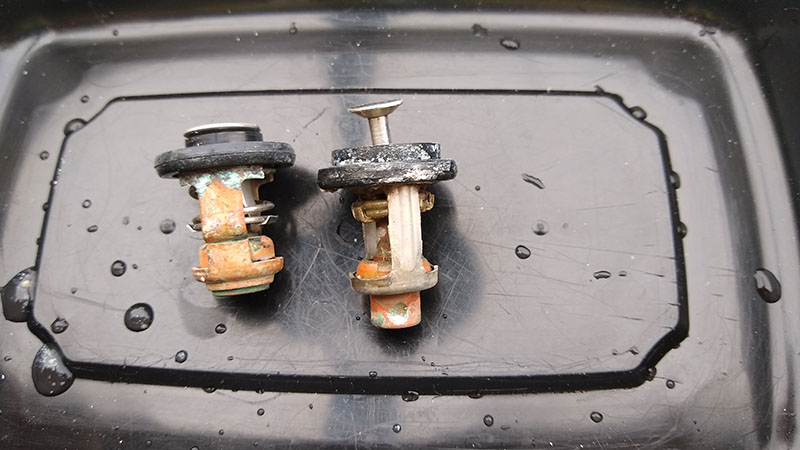
Remove the thermostat from the engine carefully. Place it in hot water and watch its movement. The thermostat should open as the water heats up. If it stays open or does not move, it is faulty. Replace the thermostat if it fails this test. This step ensures your engine will reach the right temperature again.
Check Best Thermostat Pricing in Amazon
** As an Amazon Associate, I earn from qualifying purchases.
Fixing A Stuck Open Thermostat
A stuck open thermostat causes your engine to run cold and wastes fuel. Fixing it quickly keeps your vehicle running smoothly. The process is simple and does not need many tools. Understanding the steps helps you save money and avoid bigger problems.
Replacing the thermostat restores the engine’s normal temperature. Regular checks prevent future issues and keep your car healthy. Follow these clear steps for replacement and maintenance.
Thermostat Replacement Steps
First, let the engine cool completely. Open the hood and locate the thermostat housing. It is usually where the upper radiator hose connects to the engine.
Next, drain some coolant into a container to avoid spills. Remove the hose clamp and the hose from the thermostat housing. Unscrew the housing bolts and lift the cover carefully.
Take out the old thermostat and note its position. Clean the housing surface to remove old gasket material. Place the new thermostat in the same position.
Install a new gasket or seal to prevent leaks. Replace the housing cover and tighten the bolts evenly. Reattach the hose and secure the clamp.
Refill the radiator with coolant and check for leaks. Start the engine and watch the temperature gauge. It should rise to the normal range quickly.
Preventive Maintenance Tips
Check your thermostat during regular vehicle service. Keep the cooling system clean and free of rust or debris. Change the coolant as recommended by the car manufacturer.
Inspect radiator hoses for cracks and wear. Replace damaged hoses before they cause leaks. Monitor your temperature gauge for unusual changes.
Fix any leaks or overheating issues promptly. Regular maintenance saves you from costly repairs later. A well-maintained thermostat improves fuel efficiency and engine life.
Credit: www.latitude38.com
Impacts Of Ignoring The Issue
Ignoring a stuck open thermostat can cause serious trouble for your vehicle. The thermostat controls the engine temperature. If it stays open, the engine runs too cool. This affects how the engine performs and can lead to bigger problems.
Engine Performance Problems
A stuck open thermostat causes the engine to run cold. Cold engines use more fuel and produce less power. You may notice poor acceleration or rough idling. The heater inside the car may not work well either. This makes driving uncomfortable, especially in cold weather.
Potential Engine Damage
Running too cold can cause engine parts to wear out faster. The oil may not lubricate properly at low temperatures. This leads to increased friction and damage inside the engine. Over time, this can cause costly repairs or even engine failure. Fixing the thermostat early prevents these risks.
Frequently Asked Questions
How Can I Identify A Stuck Open Thermostat?
A stuck open thermostat causes the engine to take longer to warm up. The heater may blow cold air, and the temperature gauge stays low. These signs suggest the thermostat isn’t closing properly, affecting engine performance and fuel efficiency.
What Causes A Thermostat To Get Stuck Open?
Thermostats get stuck open due to corrosion, dirt, or wear over time. Mechanical failure or faulty manufacturing can also cause this. Regular maintenance helps prevent such issues and ensures the thermostat operates correctly.
Is A Stuck Open Thermostat Bad For My Car?
Yes, a stuck open thermostat can cause poor fuel efficiency and engine wear. The engine runs too cool, which affects combustion. It may also increase emissions and reduce heater effectiveness during cold weather.
Can I Test If My Thermostat Is Stuck Open?
Yes, you can test by checking the engine temperature gauge and heater function. If the engine stays cool too long and the heater blows cold, the thermostat might be stuck open. A mechanic can perform a thorough diagnostic.
Conclusion
A stuck open thermostat causes your engine to run cold. This can lead to poor fuel efficiency and engine wear. Watch for signs like fluctuating temperature or heater problems. Regular checks help catch issues early. Fixing the thermostat keeps your car running smoothly.
Don’t ignore unusual engine behavior. Simple steps can save costly repairs later. Stay alert and maintain your vehicle well.
Check Best Thermostat Pricing in Amazon
** As an Amazon Associate, I earn from qualifying purchases.