
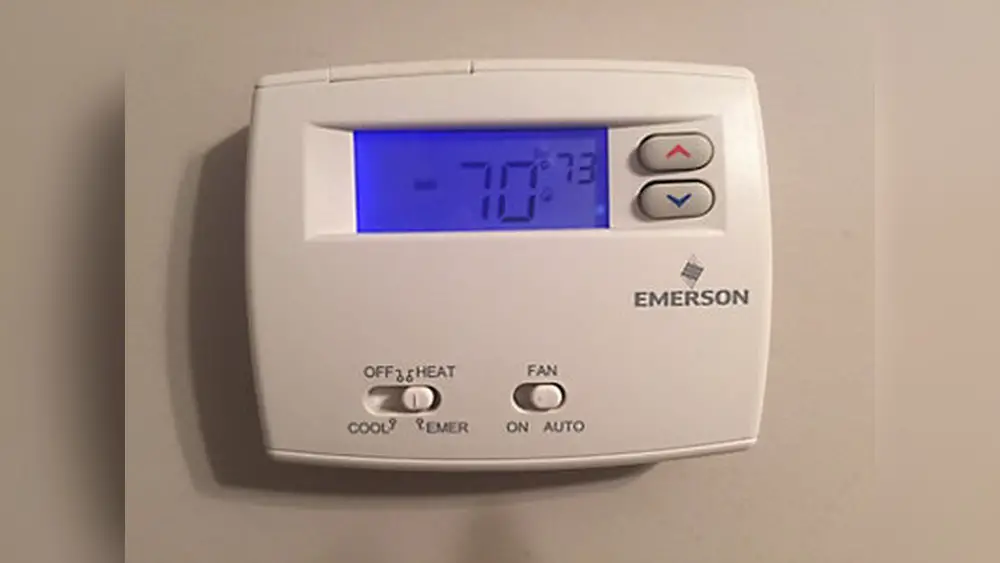
Check Best Thermostat Pricing in Amazon
** As an Amazon Associate, I earn from qualifying purchases.
When winter arrives, keeping your home warm and cozy becomes a top priority. But do you know the best way to set your thermostat to stay comfortable without wasting energy or driving up your bills?
Getting your thermostat settings right can make a huge difference—not just for your comfort, but for your wallet too. You’ll discover simple, practical tips to optimize your thermostat during the cold months. Ready to learn how to stay warm and save money at the same time?
Keep reading to find out!
Ideal Winter Thermostat Settings
Setting the right thermostat in winter helps save energy and stay comfortable. Ideal winter thermostat settings balance warmth and cost. The goal is to keep your home cozy without wasting heat. Small changes in temperature can make a big difference in bills and comfort.
Recommended Temperatures For Day And Night
During the day, set your thermostat between 68°F and 70°F. This range keeps most people comfortable inside. At night, lower the temperature to around 60°F to 65°F. Cooler night temperatures help you sleep better and reduce energy use. Use a programmable thermostat to change settings automatically. This saves money and keeps your home warm when needed.
Adjusting Settings For Different Rooms
Not all rooms need the same temperature. Living areas where you spend time should be warmer. Bedrooms and unused rooms can be cooler. Close vents in rooms you do not use often. Use space heaters safely in cold rooms instead of heating the whole house. This method saves energy and keeps your home comfortable where it matters most.
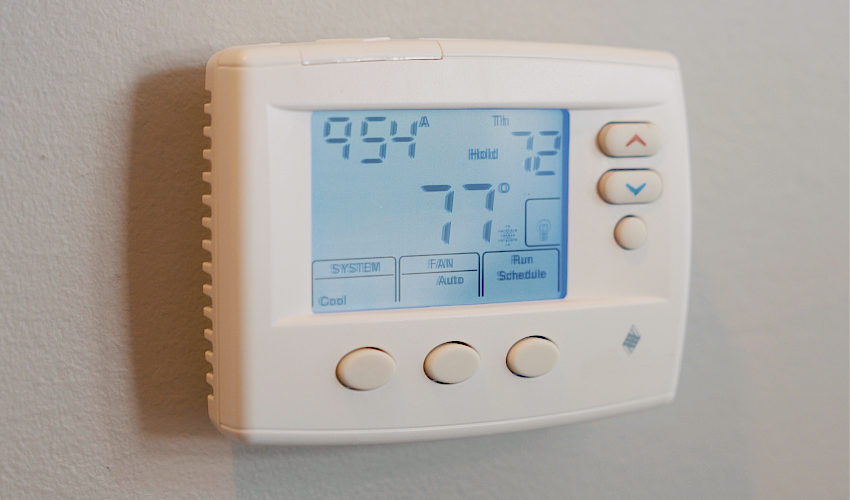
Credit: www.aireserv.ca
Energy-saving Tips
Saving energy in winter helps lower bills and keeps your home warm. Small changes in thermostat settings can make a big difference. Use these tips to save energy without feeling cold.
Using Programmable Thermostats
Set your thermostat to lower temperatures when you are not home. Program it to warm the house before you return. This avoids heating empty rooms all day. Use settings for weekdays and weekends separately.
Leveraging Smart Thermostat Features
Smart thermostats learn your schedule over time. They adjust heating automatically to save energy. Many models allow control from your phone. This helps change settings easily, even when away.
Balancing Comfort And Efficiency
Keep your home warm but not too hot. Set the thermostat between 65 and 68 degrees Fahrenheit. Dress in layers to stay comfortable. Lower the heat at night and use blankets for warmth.
Thermostat Maintenance Tips
Keeping your thermostat in good shape helps your heating system work well. Proper maintenance saves energy and keeps your home warm. Small checks and cleaning can prevent big problems later.
Regular Calibration Checks
Check your thermostat’s accuracy often. Compare the set temperature with a separate thermometer. If the temperatures differ, your thermostat may need recalibration. A correctly calibrated thermostat keeps your home comfortable and energy-efficient.
Cleaning And Upkeep
Dust and dirt can block thermostat sensors. Gently clean the device with a soft cloth. Avoid using water or harsh chemicals. Clean the area around the thermostat to ensure proper airflow. This helps the thermostat read temperatures correctly.
When To Replace Your Thermostat
Replace your thermostat if it stops working well. Signs include inaccurate temperature readings or no response to adjustments. New models offer better energy savings and easier control. Consider upgrading if your thermostat is over 10 years old.
Additional Heating Strategies
Keeping your home warm in winter takes more than just setting the thermostat. Sometimes the heat from your main system is not enough. Using extra methods can help you stay cozy and save energy. These small changes make a big difference in comfort and cost.
Check Best Thermostat Pricing in Amazon
** As an Amazon Associate, I earn from qualifying purchases.
Using Space Heaters Wisely
Space heaters heat small areas quickly. Use them in rooms you use the most. Keep heaters away from curtains and furniture. Turn them off when you leave the room. Choose models with safety features like automatic shut-off. This saves electricity and reduces fire risks.
Layering Clothing And Bedding
Wearing layers traps body heat better. Start with a warm base layer, then add sweaters or jackets. At night, use thick blankets or quilts. Socks and hats keep heat from escaping your body. This helps you feel warm without raising the thermostat.
Sealing Drafts And Insulation Tips
Cold air sneaking in wastes heat. Check windows and doors for gaps. Use weatherstripping or draft stoppers to block leaks. Add insulation in attics and walls to keep warmth inside. These steps keep your home warmer and lower heating bills.
Cost-saving Benefits
Setting the thermostat wisely in winter helps save money. Lowering the temperature just a few degrees reduces energy use. This means smaller heating bills each month. Smart thermostat settings protect your budget without losing comfort.
Estimating Savings From Thermostat Adjustments
Turning your thermostat down by 1 degree can cut heating costs by about 1%. For example, lowering it 3 degrees might save 3% on your energy bill. Small changes add up over the entire winter season. Using a programmable thermostat helps make these adjustments easy and automatic.
Impact On Energy Bills
Energy bills often rise in cold months due to heating needs. Lower thermostat settings mean your heating system runs less. This reduces the amount of fuel or electricity used. You pay less each month, and your home stays cozy enough. Tracking your energy bills shows clear savings over time.
Long-term Benefits For Your Home
Saving energy also protects your heating system. Less constant use means fewer repairs and longer life for your furnace. Lower energy use reduces carbon footprint, which is better for the environment. Smart thermostat settings benefit your wallet and the planet for many winters ahead.
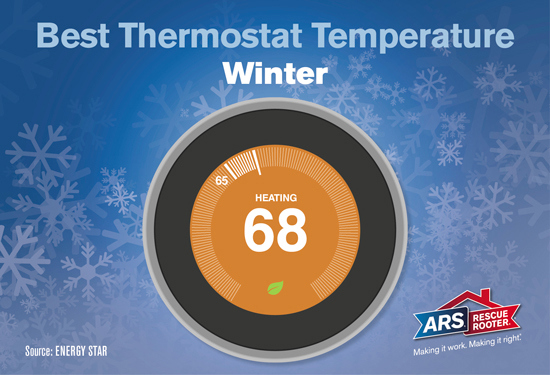
Credit: www.ars.com

Credit: lucautosrl.it
Frequently Asked Questions
What Is The Ideal Thermostat Setting For Winter?
The ideal thermostat setting in winter is 68°F (20°C) when you’re home. Lower it by 7-10°F at night or when away to save energy and reduce heating costs.
How Does Thermostat Setting Affect Energy Bills In Winter?
Higher thermostat settings increase energy consumption and raise heating bills. Setting your thermostat lower when possible saves energy and reduces monthly costs without sacrificing comfort.
Should I Change Thermostat Settings Overnight In Winter?
Yes, lowering your thermostat by 7-10°F overnight saves energy and improves sleep quality. Use a programmable thermostat to automate these adjustments easily and efficiently.
Can Smart Thermostats Improve Winter Heating Efficiency?
Smart thermostats learn your schedule and adjust heating automatically. They optimize energy use, reduce waste, and maintain comfort, making them highly efficient for winter heating.
Conclusion
Setting your thermostat right saves energy and keeps you warm. Keep it low when you sleep or leave home. Use a programmable thermostat for easy control. Small changes make a big difference in comfort and bills. Stay cozy without wasting power this winter.
Smart thermostat habits help the planet too. Try these tips and feel the warmth without extra cost. Simple steps bring comfort and savings all season long.
Check Best Thermostat Pricing in Amazon
** As an Amazon Associate, I earn from qualifying purchases.