
Check Best Thermostat Pricing in Amazon
** As an Amazon Associate, I earn from qualifying purchases.
Are you thinking about moving your thermostat but don’t know where to start? Changing the location of your thermostat can improve your home’s comfort and help your heating and cooling system work better.
But it’s not as simple as just unplugging and plugging it somewhere else. You need to know the right steps to avoid mistakes that could cost you time and money. In this guide, you’ll discover easy-to-follow tips that anyone can use, even if you’re not a DIY expert.
Keep reading to learn how to move your thermostat safely and effectively, so your home stays comfortable all year round.
Credit: aroundclock.com
Reasons To Move A Thermostat
Moving a thermostat might seem simple. Yet, the right location affects how well your heating and cooling work. Many homes have thermostats placed in spots that cause problems. Knowing why to move a thermostat helps improve comfort and save energy.
Common Issues With Current Placement
Thermostats often sit near heat sources like windows or vents. This makes them read wrong temperatures. Too hot or too cold in one spot tricks the system. The thermostat turns heating or cooling on and off too much. It wastes energy and raises bills.
Sometimes, thermostats are placed too high or low on the wall. This affects how they sense room temperature. Drafts from doors or sunlight can also cause errors. These common placement issues stop your system from working well.
Benefits Of Relocation
Moving a thermostat to a better spot fixes temperature errors. It helps the system keep the house comfortable. You avoid rooms that are too hot or cold. This creates a more even temperature all day.
Better placement can reduce energy use. The system runs less and saves money. It also extends the life of your heating and cooling units. Moving a thermostat can make your home feel cozy and save energy at once.
Credit: www.hunker.com
Tools And Materials Needed
Moving a thermostat requires specific tools and materials. Having the right items makes the job easier and safer. Prepare all tools before you start to avoid delays. Use proper equipment to protect your home and yourself.
Essential Tools
A screwdriver set is crucial for removing and installing screws. A voltage tester checks if the power is off. Wire strippers help expose wires without damage. Electrical tape secures wire connections safely. A drill may be needed for new holes. A level ensures the thermostat is straight on the wall. A pencil helps mark positions for mounting.
Safety Equipment
Wear safety goggles to protect your eyes from dust and debris. Use insulated gloves to prevent electric shocks. Turn off the power at the circuit breaker before starting. Keep a flashlight nearby in case of low light. Have a fire extinguisher nearby for emergencies. Clear the work area to avoid trips or falls.
Preparing For The Move
Preparing to move your thermostat is an important first step. It helps avoid electrical problems and keeps you safe. Taking the right steps ensures a smooth removal and installation process. Follow these simple actions to get ready for the move.
Turning Off Power
Start by switching off power to your heating and cooling system. Find your home’s circuit breaker panel. Flip the switch that controls your HVAC system. Double-check by trying to adjust the thermostat. No response means the power is off. This step prevents shocks and damage.
Removing The Old Thermostat
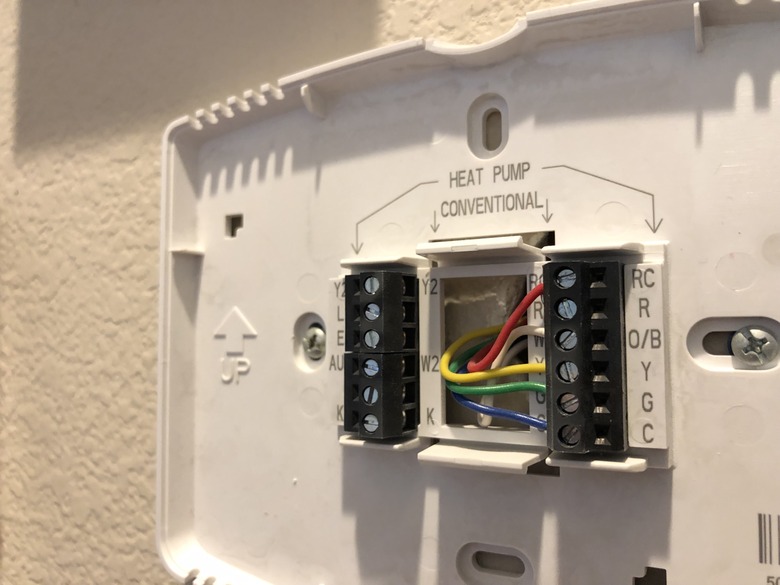
Remove the thermostat cover carefully. Use a screwdriver to loosen the screws holding it. Take a photo of the wiring. This helps with reconnecting later. Label each wire with tape and a marker. Unscrew the base plate from the wall. Gently pull the wires free without damaging them.
Choosing The New Location
Choosing the new location for your thermostat is an important step. The right spot helps keep your home comfortable and your system running well. Picking the best place takes some thought. You want a spot that shows the true room temperature without false readings.
Ideal Placement Tips
Place the thermostat on an interior wall. Avoid walls that get direct sunlight or are near windows. Keep it away from doors that open outside. Position it about 5 feet above the floor. This height gives a good air temperature reading. Choose a spot where air flows freely. Avoid corners or areas blocked by furniture. Make sure the thermostat is easy to reach and see.
Avoiding Common Mistakes
Do not place the thermostat near heat sources like lamps or vents. Avoid spots near kitchens or bathrooms where steam or heat can affect readings. Do not put it in hallways or places that do not represent the main living area. Avoid locations with drafts or cold spots. Do not hide the thermostat behind curtains or furniture. These errors can cause the system to run too often or not enough.
Installing The Thermostat In The New Spot
Installing the thermostat in the new spot is an important step. It ensures your heating and cooling system works efficiently. Proper placement helps the thermostat read the room temperature correctly. This keeps your home comfortable and saves energy.
Follow each step carefully for a smooth installation. This guide covers wiring the thermostat and mounting the device securely.
Check Best Thermostat Pricing in Amazon
** As an Amazon Associate, I earn from qualifying purchases.
Wiring The Thermostat
Turn off the power to your HVAC system before starting. This keeps you safe from electric shock. Match the wires from the wall to the new thermostat terminals. Use the labels or take a photo before disconnecting the old thermostat. Connect each wire to the correct terminal. Push the wires gently but firmly into place. Double-check all connections to avoid loose wires. Turn the power back on after wiring is complete. Test the thermostat to ensure it powers up and controls your system.
Mounting The Device
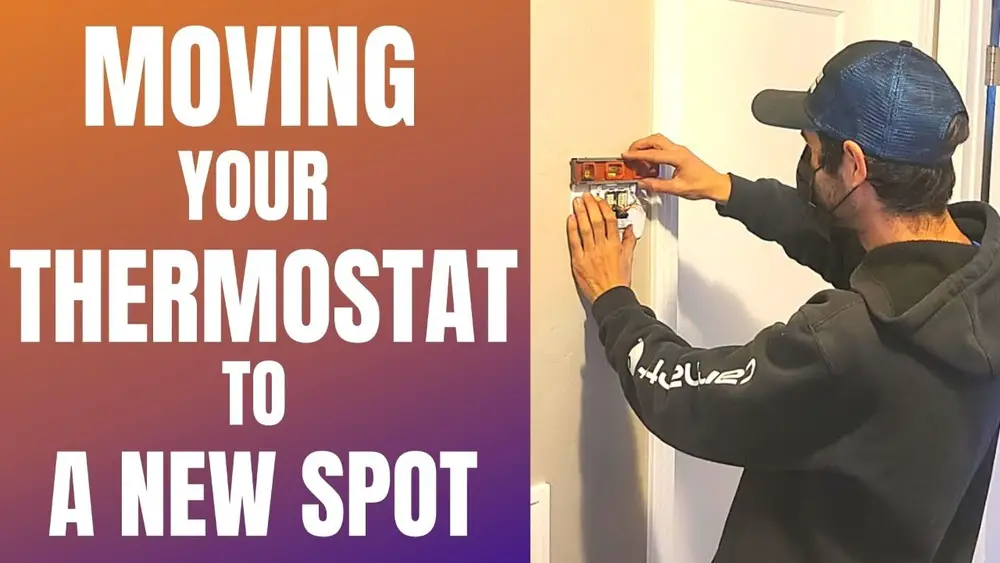
Choose a spot on the wall that is free from direct sunlight or drafts. Use the thermostat’s base plate as a template. Mark the screw holes with a pencil. Drill small pilot holes to make screwing easier. Attach the base plate securely to the wall using screws. Snap the thermostat onto the base plate. Make sure it fits snugly and does not wobble. Check that the thermostat screen is easy to read. Your thermostat is now ready to keep your home comfortable in its new spot.

Credit: www.youtube.com
Testing And Calibration
Testing and calibration are key after moving a thermostat. This step ensures the thermostat works well in its new place. Proper testing helps avoid issues like wrong temperature readings or system failures. Calibration makes sure the thermostat controls heating and cooling accurately. Follow simple steps to power on and check its functions.
Powering On
Start by turning the power back on to the thermostat. This may involve switching on a circuit breaker or inserting batteries. Wait a moment for the device to boot up. Watch for lights or screen activation, signaling power is on. If it doesn’t turn on, recheck wiring connections or power sources. A working power supply is essential for testing and calibration.
Checking Functionality
Next, test the thermostat’s functions. Adjust the temperature settings up and down. Listen for the HVAC system responding to changes. Check if the display updates correctly with new temperature settings. Make sure buttons and touch controls respond quickly. Confirm the system turns off and on as expected. Proper function means the thermostat is ready for accurate calibration.
Troubleshooting Common Problems
Moving a thermostat can sometimes lead to problems. These issues often arise from small mistakes. Knowing how to spot and fix them saves time and frustration. Below are common problems you might face and simple ways to handle them.
Wiring Issues
Wiring problems are the most common. Loose or wrong wires stop the thermostat from working. Check all wire connections carefully. Make sure each wire matches the terminal label. Turn off power before touching wires to stay safe. If wires look damaged, replace them. A tight and correct connection ensures the thermostat works well.
Calibration Errors
Calibration errors cause wrong temperature readings. The thermostat might show a different temperature than the room. This happens if the thermostat is not set properly. Use the manual to reset or recalibrate the device. Some models have a simple button or dial for this. Correct calibration keeps your home comfortable and saves energy.
Tips For Maintaining Your Thermostat
Maintaining your thermostat helps it work well and last longer. Small steps keep the device accurate and save energy. Regular care avoids problems and costly repairs.
Follow simple tips to keep your thermostat in good shape. These easy actions improve performance and comfort at home.
Regular Cleaning
Dust and dirt can build up on your thermostat. Clean it gently with a soft cloth. Avoid using water or harsh chemicals. Clean the vents and buttons carefully. This keeps the device clear and responsive. Regular cleaning helps prevent errors and extends the thermostat’s life.
Software Updates
Smart thermostats need software updates to work properly. Updates fix bugs and add new features. Check for updates often through the app or device menu. Install updates as soon as they appear. This keeps your thermostat running smoothly and securely.
Frequently Asked Questions
How Do I Safely Move A Thermostat?
Turn off power at the circuit breaker first. Remove the thermostat carefully. Label wires before disconnecting. Reinstall in the new location, reconnect wires, and restore power. This prevents electrical hazards and ensures proper functioning.
Where Is The Best Place To Relocate A Thermostat?
Place it on an interior wall, away from direct sunlight, drafts, or heat sources. This ensures accurate temperature readings and efficient HVAC performance.
Can I Move A Thermostat Myself Or Need A Professional?
Moving a thermostat is doable for those with basic electrical skills. However, hiring a professional ensures safety, proper wiring, and optimal placement.
What Tools Are Needed To Move A Thermostat?
You will need a screwdriver, voltage tester, wire labels, drill, and wall anchors. These tools help safely remove and reinstall your thermostat.
Conclusion
Moving your thermostat can improve comfort and save energy. Plan the new location carefully to avoid heat sources and drafts. Turn off power before starting the move to stay safe. Follow the wiring instructions step-by-step for proper setup. Test the thermostat after installation to ensure it works well.
Small changes like this can make a big difference in your home. Take your time and be patient for the best results. You will enjoy better temperature control in your space.
Check Best Thermostat Pricing in Amazon
** As an Amazon Associate, I earn from qualifying purchases.