
Check Best Thermostat Pricing in Amazon
** As an Amazon Associate, I earn from qualifying purchases.
Are you tired of someone else changing your thermostat settings and messing up your comfort or energy bills? Locking your thermostat can save you frustration and keep your home’s temperature just the way you want it.
But how do you actually lock a thermostat? In this guide, you’ll discover simple, step-by-step methods that anyone can use to secure their thermostat quickly. Keep reading to take control of your home’s temperature and protect your energy savings like a pro.

Credit: www.reddit.com
Why Lock Your Thermostat
Locking your thermostat controls can help maintain steady temperatures. It stops changes that cause energy waste or discomfort. Many people find this useful for homes, offices, or rental properties. It keeps the settings just right without constant adjustments. Understanding why to lock your thermostat helps you save money and keep comfort.
Benefits Of Locking Settings
Locking the thermostat stops unwanted changes. It keeps the temperature steady and predictable. This can lower energy bills by avoiding extreme heating or cooling. It prevents children or visitors from changing the settings. Locked thermostats reduce wear on the system, extending its life. The control stays simple and hassle-free for everyone.
Common Situations For Locking
Many homes lock thermostats during winter or summer months. Rental properties use locks to prevent guests from raising bills. Offices lock controls to maintain a consistent work environment. Schools lock thermostats to keep classrooms comfortable. Parents lock thermostats to avoid kids changing settings. Locking suits places where many people share one system.

Credit: www.amazon.com
Types Of Thermostats
Thermostats control the temperature in homes and offices. They come in different types. Each type has unique features and ways to lock settings. Understanding these types helps in managing temperature better and securing controls.
Manual Thermostats
Manual thermostats use a simple dial or slider. Users adjust temperature by turning or moving the control. They have no digital screen or programming options. Locking a manual thermostat may involve physical covers or clips. These prevent changes by children or unauthorized users.
Digital Thermostats
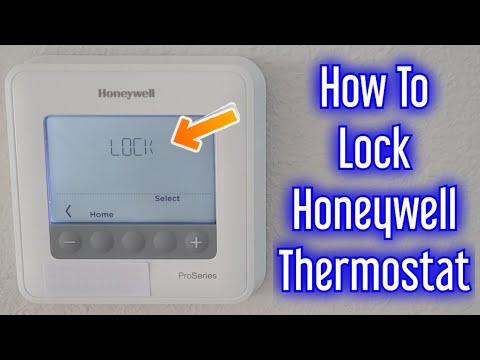
Digital thermostats show temperature on a screen. They allow easy temperature setting with buttons. Many models have a lock feature to block changes. This helps maintain a steady temperature and saves energy. Locking can require a code or pressing specific buttons.
Smart Thermostats
Smart thermostats connect to Wi-Fi and smartphones. They offer remote control and scheduling. Users can lock settings through the app or device. These thermostats often include advanced security to avoid unauthorized access. Locking helps protect comfort and reduce energy waste.
Locking Manual Thermostats
Locking manual thermostats helps control temperature settings. It prevents unwanted changes and saves energy. Many homes and offices use manual thermostats. Keeping these devices secure can avoid confusion and higher bills. Simple methods make locking easy and affordable. Below are practical ways to lock manual thermostats.
Using Physical Locks
Physical locks are effective for manual thermostats. These locks fit over the thermostat and block access. Some models use a clear plastic cover with a key lock. This lets you see the settings but not change them. Installation is quick and requires no special tools. Locks also act as a visual reminder to keep settings fixed. They work well in schools, offices, and rental properties.
Diy Locking Methods
DIY methods offer budget-friendly options to lock thermostats. Simple covers made from cardboard or plastic can block buttons. Using zip ties or cable ties around knobs stops adjustments. Tape can hold the dial in place but is less secure. Marking the current setting with a permanent marker helps track changes. These tricks help control thermostat use without spending much money.
Locking Digital Thermostats
Locking digital thermostats helps control temperature settings securely. It stops others from changing your preferred settings. Many digital models offer easy lock features. These keep your home comfortable and energy use steady. Simple steps make locking quick and effective.
Accessing Lock Features
Start by finding the lock option on your thermostat. Most devices have a settings menu. Press the menu or gear icon to open it. Look for “Lock,” “Child Lock,” or “Keypad Lock.” Some models require holding down buttons together. Check your thermostat manual for exact instructions.
Setting Passcodes
Choose a passcode to secure your thermostat. Use numbers easy for you to remember. Enter the code through the touchscreen or buttons. Confirm the passcode by entering it twice. This prevents accidental lock removal. Save the code somewhere safe for future use.
Check Best Thermostat Pricing in Amazon
** As an Amazon Associate, I earn from qualifying purchases.
Troubleshooting Lock Issues
Sometimes, locks may not activate properly. Restart the thermostat to fix minor bugs. Check the battery if your device uses one. Reset to factory settings if problems continue. Follow the manual steps carefully to avoid errors. Contact support if you cannot unlock or lock the thermostat.
Locking Smart Thermostats
Smart thermostats offer great control over home temperatures. Locking them prevents unwanted changes. It helps keep settings steady and saves energy. Several ways exist to lock smart thermostats. These include using apps, setting permissions, and remote locking.
Using Mobile Apps
Many smart thermostats connect to mobile apps. These apps let users lock the thermostat easily. Locking stops others from changing the temperature. The app interface shows lock options clearly. Users tap to enable or disable the lock. This method is quick and user-friendly.
Setting User Permissions
Smart thermostats allow different user roles. Owners can assign permissions to family members. Some users get full access, others get limited control. Setting permissions blocks unauthorized changes. This method secures the thermostat inside the home. It keeps settings safe from children or guests.
Remote Locking Options
Remote locking lets users control thermostats from afar. Owners can lock devices through online platforms. This feature helps when away from home. It ensures no one alters the settings remotely. Remote locking adds an extra layer of security. It gives peace of mind to users.
Credit: www.youtube.com
Tips For Maintaining Locked Thermostats
Maintaining a locked thermostat is important to keep your home comfortable and secure. Proper care helps avoid unwanted changes and saves energy. Follow simple tips to keep your thermostat locked and working well.
Regularly Updating Passcodes
Change your thermostat passcode often. This stops others from guessing it easily. Use a mix of numbers that are easy for you to remember but hard for others. Avoid simple codes like 1234 or 0000.
Educating Household Members
Tell everyone in your home about the locked thermostat. Explain why it is locked and how to use it. Make sure they know who to contact if they need to adjust the temperature. This helps prevent confusion and mistakes.
Handling Emergencies
Have a plan if the thermostat needs urgent access. Keep a spare key or passcode in a safe place. Teach one or two trusted people how to unlock it. This ensures quick action during power outages or heating issues.
Frequently Asked Questions
How Do I Lock A Digital Thermostat?
To lock a digital thermostat, access its menu settings. Find the lock or keypad lock option. Enable it to prevent unauthorized changes. This feature helps maintain consistent temperature and saves energy by stopping unwanted adjustments.
Can I Lock A Thermostat Without A Password?
Some thermostats allow locking without a password by using physical locks or covers. However, most digital models require a PIN or password for security. Check your thermostat’s manual to see available lock options and protect settings effectively.
Why Should I Lock My Thermostat Settings?
Locking thermostat settings prevents accidental or unauthorized temperature changes. It ensures energy efficiency and consistent comfort. This is especially useful in homes with children or shared spaces where controlling temperature is important for cost savings and safety.
Is Locking A Thermostat Compatible With Smart Thermostats?
Yes, many smart thermostats offer lock features via their app or device settings. You can set PIN codes or restrict access remotely. This keeps your temperature settings secure and prevents unwanted changes from other users.
Conclusion
Locking your thermostat helps save energy and controls temperature easily. It stops unwanted changes and keeps your settings safe. This is useful in homes, offices, and public places. Follow simple steps to lock your model and enjoy peace of mind.
Regular checks ensure the lock works well. Protect your comfort and reduce energy bills with this small action. Stay warm or cool without worries about accidental adjustments. Simple, effective, and smart.
Check Best Thermostat Pricing in Amazon
** As an Amazon Associate, I earn from qualifying purchases.