
Check Best Thermostat Pricing in Amazon
** As an Amazon Associate, I earn from qualifying purchases.
Is your electric water heater not warming up the way it used to? Before calling a professional, you can save time and money by checking the thermostat yourself.
Knowing how to check the thermostat on your electric water heater helps you spot simple issues early and keep your hot water flowing without interruption. In this guide, you’ll learn easy steps to test your thermostat safely and effectively. Stick with me, and you’ll gain the confidence to handle this common problem on your own.

Credit: www.youtube.com
Tools Needed
Checking the thermostat on an electric water heater requires a few simple tools. These tools help you test the thermostat safely and accurately. Having the right tools makes the process easier and faster.
Prepare these tools before starting. It saves time and avoids mistakes. Each tool serves a specific purpose in the testing process.
Multimeter
A multimeter measures electrical current, voltage, and resistance. It helps check if the thermostat is working correctly. Choose a multimeter that is easy to read and use.
Screwdriver
A screwdriver removes the access panel on the water heater. Most heaters use a flathead or Phillips screwdriver. Pick the right size to avoid damaging screws.
Flashlight
A flashlight brightens dark areas inside the water heater. It helps you see the thermostat and wiring clearly. Use a small, bright flashlight for better visibility.
Voltage Tester
A voltage tester confirms if electricity is flowing to the thermostat. It ensures safety before touching any wires. Use a non-contact voltage tester for extra protection.
Safety Precautions
Checking the thermostat on an electric water heater requires care. Safety must come first. Mistakes can cause shocks, burns, or damage. Follow clear safety steps to protect yourself and your home.
Turn Off Power At The Breaker
Always switch off the power at the circuit breaker. This stops electricity from flowing to the water heater. Use a tester to confirm no current is present before touching anything.
Wear Protective Gear
Wear rubber gloves and safety glasses. These protect your hands and eyes from electrical shocks and debris. Use insulated tools to reduce risks further.
Check For Water Leaks
Look for leaks around the water heater. Water and electricity do not mix well. Fix leaks before starting any work to avoid hazards.
Work In A Dry Area
Keep your work area dry. Avoid standing on wet surfaces. Use a dry cloth to wipe off any moisture around the heater.
Follow Manufacturer Instructions
Read the water heater manual carefully. Follow all safety guidelines given. Different models may have specific precautions.
Accessing The Thermostat
Accessing the thermostat on an electric water heater is the first step to check or adjust its settings. It requires careful steps to ensure safety and avoid damage. Follow these clear instructions to find the thermostat easily.
Turn Off Power Supply
Start by switching off the power supply to the water heater. Find the circuit breaker in your home’s electrical panel. Flip the switch to the “off” position. This stops electricity from reaching the heater. Never work on the thermostat while the power is on. Safety is the top priority.
Remove Access Panels
Locate the access panels on the side of the water heater. Most heaters have two panels, one on top of the other. Use a screwdriver to remove the screws holding the panels. Keep the screws safe for reassembly. Carefully take off the panels to reveal the internal parts.
Locate Thermostat
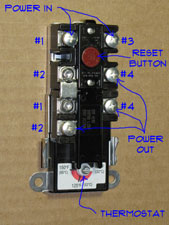
The thermostat usually sits behind the lower access panel. It looks like a small rectangular box with a dial or digital display. You may find a metal plate covering it. Gently pull the plate off to see the thermostat fully. Now, you are ready to check or adjust it.
Testing The Thermostat
Testing the thermostat on an electric water heater helps find heating problems. It ensures the thermostat works well and controls water temperature. This simple check saves time and money by avoiding unnecessary repairs.
Set Multimeter
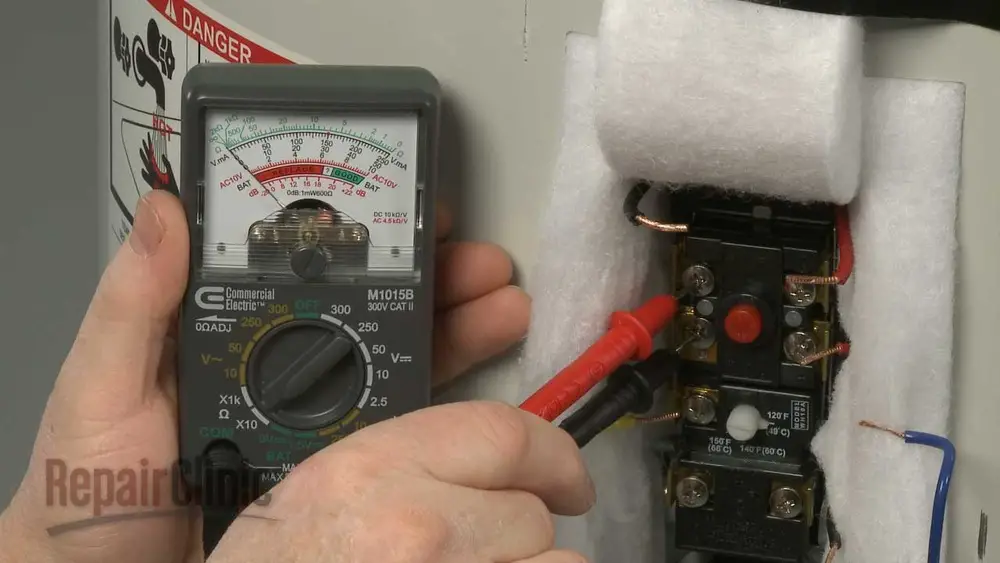
Start by turning off power to the water heater. Set your multimeter to the continuity or ohms setting. This prepares the tool to check electrical flow through the thermostat. Use the correct setting to get accurate results.
Check Best Thermostat Pricing in Amazon
** As an Amazon Associate, I earn from qualifying purchases.
Check Continuity
Remove the thermostat cover panel. Touch the multimeter probes to thermostat terminals. A beep or low reading means continuity is present. No sound or infinite reading means a broken thermostat. This test shows if the thermostat can pass electricity.
Measure Temperature
Turn the power back on and set thermostat to a specific temperature. Use a thermometer to check water temperature after heating. If water is too cold or hot, the thermostat may be faulty. This test confirms if the thermostat controls temperature correctly.
Adjusting The Thermostat
Adjusting the thermostat on your electric water heater helps control water temperature. This ensures you get hot water without wasting energy. It is a simple task that anyone can do with basic instructions. Follow the steps carefully to set the right temperature for your needs.
Identify Adjustment Dial
First, locate the thermostat adjustment dial. It is usually behind the access panel on the water heater. Turn off the power to the heater before opening the panel. The dial often has numbers or temperature marks. This dial controls how hot the water gets inside the tank.
Set Desired Temperature
Turn the adjustment dial to set your preferred temperature. A safe and efficient setting is around 120°F (49°C). This temperature is hot enough for most uses and prevents scalding. Avoid setting it too high to save energy and reduce risks. After adjusting, replace the panel and turn the power back on. Wait a few hours and check if the water feels right.

Credit: www.reddit.com
Replacing A Faulty Thermostat
Replacing a faulty thermostat in an electric water heater can restore proper heating and save energy. A bad thermostat causes water to be too hot or not hot enough. Fixing it is simple and takes little time. Safety is important before starting the work.
Disconnect Wiring
Turn off power at the circuit breaker to avoid electric shock. Use a voltage tester to confirm no power is flowing. Remove the access panel covering the thermostat. Carefully note or take a photo of the wiring setup. Unscrew and disconnect the wires from the old thermostat.
Remove Old Thermostat
Unscrew the thermostat from its mounting bracket. Gently pull the thermostat away from the heater. Avoid damaging the heating element during removal. Inspect the area for any signs of corrosion or damage. Clean the mounting surface if needed before installing the new thermostat.
Install New Thermostat
Place the new thermostat onto the mounting bracket. Secure it with screws, making sure it fits snugly. Reconnect the wires according to the photo or notes taken earlier. Double-check that all connections are tight and secure. Replace the access panel and turn the power back on. Test the water heater to ensure proper operation.
Final Checks
After checking your electric water heater’s thermostat, it is important to perform final checks. These steps ensure safety and confirm the thermostat works properly. Taking time here helps avoid problems later.
Restore Power
Turn the power back on at the circuit breaker. Make sure the breaker is in the ON position. Never skip this step. Restoring power allows the heater to start working again. Watch for any unusual sounds or smells right after power is restored. This could mean something is wrong.
Monitor Water Temperature
Wait about 30 minutes for the water to heat up. Use a thermometer to check the temperature at the faucet. The ideal water temperature is usually between 120°F and 140°F. If the water is too hot or cold, adjust the thermostat again. Keep checking until the water stays at a safe and comfortable level.
Credit: www.lucautosrl.it
Frequently Asked Questions
How Do I Test The Thermostat On An Electric Water Heater?
To test the thermostat, first turn off the power. Remove the access panel and use a multimeter to check continuity. If there’s no continuity, the thermostat may be faulty and needs replacement.
What Tools Are Needed To Check A Water Heater Thermostat?
You need a screwdriver, a multimeter, and a voltage tester. These tools help safely access the thermostat and measure electrical continuity or voltage.
Can A Faulty Thermostat Cause Water Heater Issues?
Yes, a faulty thermostat can cause inconsistent water temperature or no hot water. It controls heating cycles, so defects affect water heating performance.
How Often Should I Check My Water Heater Thermostat?
Check your thermostat annually during routine maintenance. Regular checks ensure it functions correctly and prevents unexpected water heater failures.
Conclusion
Checking the thermostat on your electric water heater is simple and important. It helps keep your water at the right temperature. You can avoid cold showers and save energy. Always turn off power before starting any check. Use a multimeter to test the thermostat safely.
Regular checks can prevent bigger problems later. Keep your water heater working well with these easy steps. Stay safe and comfortable every day.
Check Best Thermostat Pricing in Amazon
** As an Amazon Associate, I earn from qualifying purchases.