
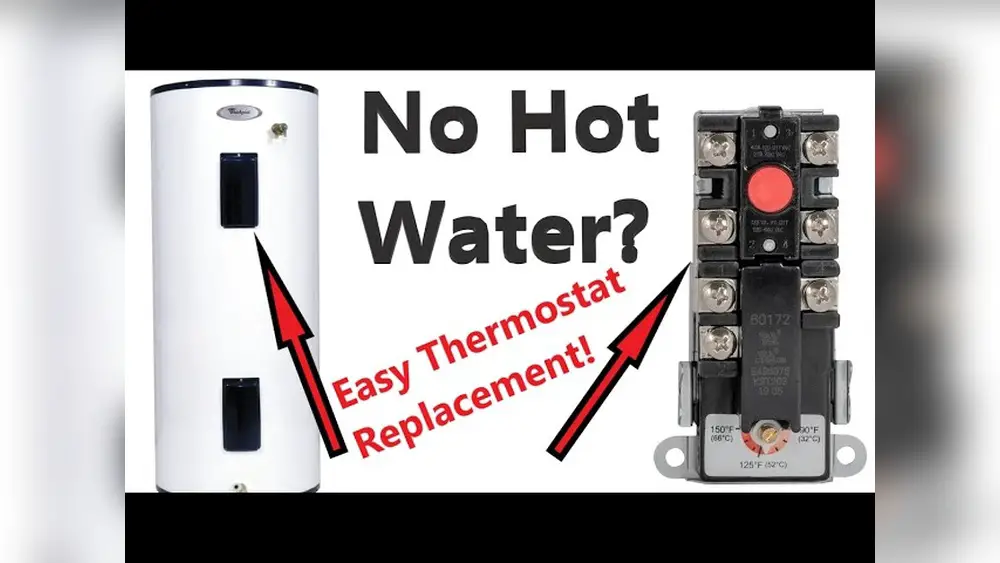
Check Best Thermostat Pricing in Amazon
** As an Amazon Associate, I earn from qualifying purchases.
Is your hot water not as hot as it used to be? Or maybe it’s too hot, making you worry about safety and energy bills.
Changing the thermostat on your hot water heater can solve these problems quickly and save you money. You don’t need to call a professional or spend a fortune. In this guide, you’ll learn exactly how to adjust or replace your water heater thermostat step by step.
By the end, you’ll feel confident making your hot water just right—safe, comfortable, and efficient. Keep reading to take control of your hot water heater today!
- Tools And Materials Needed
- Safety Precautions
- Turning Off The Power Supply
- Accessing The Thermostat
- Removing The Old Thermostat
- Installing The New Thermostat
- Setting The Temperature
- Restoring Power And Testing
- Troubleshooting Common Issues
- Maintenance Tips For Longevity
- Frequently Asked Questions
- Conclusion
Tools And Materials Needed
Changing a hot water heater thermostat requires the right tools and materials. Having everything prepared makes the task easier and faster. It also helps avoid frustration and mistakes. Below is a list of what you need to get started.
Basic Hand Tools
Start with a screwdriver set. Both flathead and Phillips screwdrivers are needed. A socket wrench set helps remove bolts and nuts. Needle-nose pliers are useful for gripping and pulling wires safely.
Multimeter
A multimeter tests electrical connections and ensures the power is off. It helps check if the thermostat works correctly. This tool is essential for safety and accuracy.
Replacement Thermostat
Buy the correct thermostat that fits your water heater model. Using the right part guarantees proper function. Check your heater’s manual or label to match the part number.
Insulation Gloves
Wear insulated gloves to protect yourself from electric shock. Safety is important when working with electrical parts. Gloves also help avoid burns from hot surfaces.
Voltage Tester
A voltage tester confirms if the power is completely off. It is a simple device to double-check safety before touching wires. This tool prevents accidents during the job.
Cleaning Supplies
Have a clean cloth or rag ready. You will need it to wipe dust and dirt from the thermostat area. A clean surface ensures better contact and performance.
Safety Precautions
Changing the hot water heater thermostat involves risks. Safety must be the top priority. Careful steps reduce accidents and damage.
Always prepare the area and tools before starting. This helps keep the process smooth and safe.
Turn Off The Power
Switch off the circuit breaker that powers the water heater. Double-check with a voltage tester to confirm no electricity flows.
Drain The Water Heater
Drain some water from the tank to avoid leaks. This lowers pressure and prevents hot water burns.
Wear Protective Gear
Use gloves and safety glasses. They protect your hands and eyes from sharp edges and hot surfaces.
Work In A Dry Area
Keep the workspace dry to avoid electric shocks. Mop up any spills before you start working.
Follow Manufacturer Instructions
Read the heater’s manual carefully. Follow the specific steps for your model to stay safe.
Turning Off The Power Supply
Turning off the power supply is the first step before changing your hot water heater thermostat. This step keeps you safe from electric shocks. Always prioritize safety when working with electrical devices.
Most water heaters use electricity to heat water. If the power stays on, touching wires or parts can cause injury. Turning off the power stops electricity from flowing to the heater.
Locate The Circuit Breaker
Find your home’s electrical panel. This panel holds switches called circuit breakers. Look for the one labeled “Water Heater” or something similar. If unsure, check your home manual or ask for help.
Switch Off The Correct Breaker
Flip the breaker switch to the “Off” position. This stops power to the water heater. Confirm the switch stays off before proceeding. Avoid turning off the main breaker unless necessary.
Double-check Power Is Off
Use a voltage tester to check the heater wires. No reading means no electricity is present. If you don’t have a tester, touch a metal part carefully. No shock means power is off. Always be cautious.

Credit: www.whirlpoolwaterheaters.com
Accessing The Thermostat
Accessing the thermostat is the first step to change it on your hot water heater. Finding the thermostat requires careful work to avoid damage or injury. Knowing where the thermostat sits helps you work safely and quickly.
Most water heaters have their thermostat hidden behind a metal panel. This panel keeps the thermostat safe from dust and water. Removing the panel gives you clear access to the thermostat controls.
Turn Off The Power
Safety comes first. Turn off the power to the water heater at the circuit breaker. Double-check that the heater is off by trying to turn it on. No power means no risk of electric shock.
Locate The Access Panel
Look for a small metal cover on the side of the water heater. This is usually near the bottom or middle. It may be held by screws or clips. Use a screwdriver to remove it carefully.
Remove The Insulation
Behind the panel, you will find insulation. This keeps heat inside the tank. Gently pull the insulation back to see the thermostat. Keep it safe to put back later.
Identify The Thermostat
The thermostat looks like a small box with wires attached. It has a dial or screws for adjusting temperature. Check for any labels or markings to confirm it is the thermostat.
Removing The Old Thermostat
Removing the old thermostat from a hot water heater is the first step in replacing it safely. This process requires care to avoid damage to the heater or injury. Follow these simple steps to remove the old thermostat correctly.
Turn Off The Power
Always switch off the power to the water heater before starting. Locate the circuit breaker and turn it off. Use a voltage tester to confirm no electricity flows to the unit.
Access The Thermostat Panel
Find the thermostat access panel on the side of the heater. Remove the screws holding the panel cover. Set the cover aside carefully to avoid losing screws.
Disconnect The Wires
Note the position of each wire connected to the thermostat. Take a photo or label wires for easy reinstallation. Use a screwdriver to loosen the terminal screws and gently pull wires free.
Remove The Thermostat
Locate the mounting screws or clips securing the thermostat. Unscrew or unclip them carefully. Gently pull the thermostat out from its slot without bending the sensing bulb or capillary tube.
Installing The New Thermostat
Start by turning off the power and draining the water heater. Remove the old thermostat carefully, then connect and secure the new one. Make sure all wires are attached correctly before restoring power.
Preparing The New Thermostat For Installation
Start by unpacking the new thermostat carefully. Check for any damage or missing parts. Read the manufacturer’s instructions thoroughly. This helps avoid mistakes during installation. Gather all tools needed, such as a screwdriver and voltage tester.
Connecting The Thermostat Wires
Turn off the power supply to the water heater. Use a voltage tester to confirm no electricity flows. Remove the old thermostat wires carefully. Connect the wires to the new thermostat terminals. Match the wire colors or labels exactly. Tighten the screws to secure the wires firmly.
Check Best Thermostat Pricing in Amazon
** As an Amazon Associate, I earn from qualifying purchases.
Mounting The New Thermostat
Align the new thermostat with the mounting holes. Use screws to attach it firmly to the water heater. Make sure it sits flat and tight. Avoid over-tightening to prevent damage. Double-check all connections and the mounting before restoring power.
Setting The Temperature
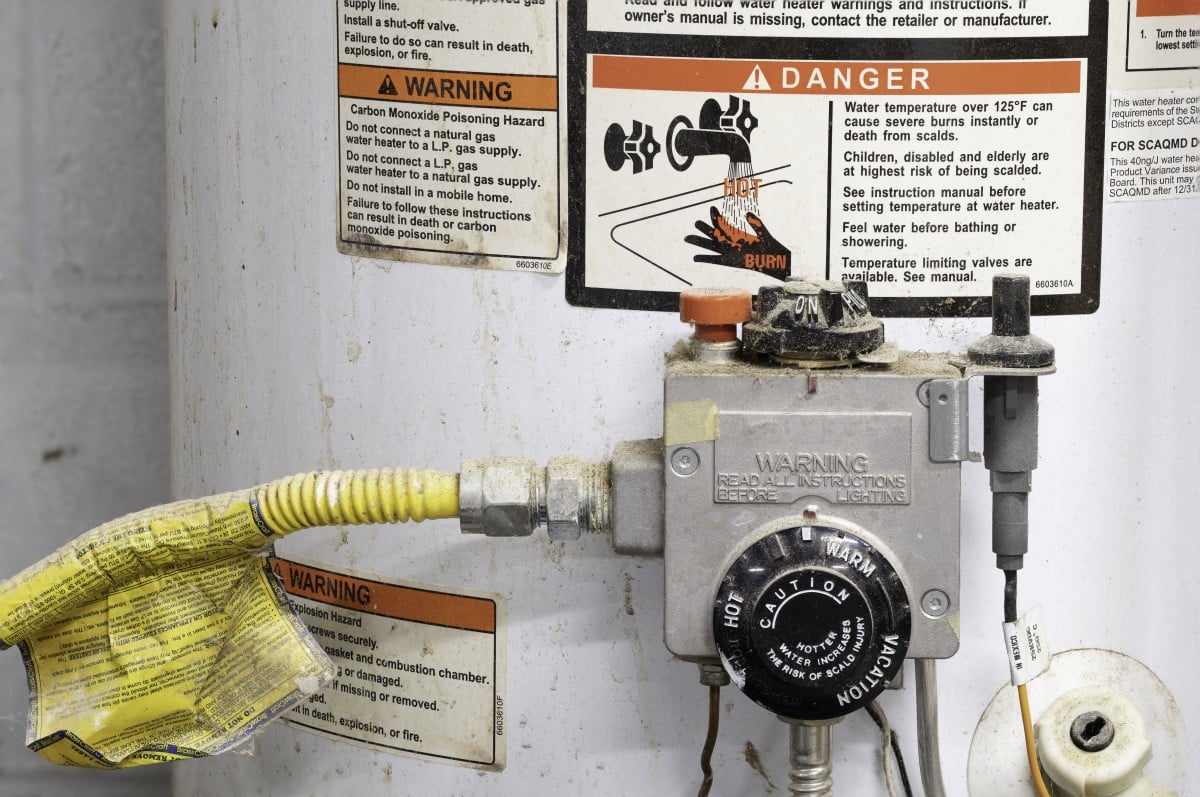
Setting the temperature on your hot water heater thermostat is important for safety and comfort. The right temperature saves energy and prevents scalding. Most homes work well with a thermostat set between 120°F and 140°F.
Too high a temperature can cause burns. Too low a temperature might not heat water enough for daily use. Adjusting the thermostat correctly ensures steady hot water without wasting energy.
Finding The Thermostat Dial
Locate the thermostat dial on your hot water heater. It is usually behind a small metal panel. Remove the panel carefully with a screwdriver.
Adjusting The Temperature
Turn the dial to set the temperature. Use a flathead screwdriver if needed. Move the dial slowly to avoid sudden changes.
Testing The Water Temperature
Wait 30 minutes after adjusting. Check the water temperature at a faucet. Use a thermometer for accuracy.
Safety Tips
Set the temperature no higher than 140°F. Keep children and elderly safe from hot water burns. Regularly check the thermostat for proper function.

Credit: www.whirlpoolwaterheaters.com
Restoring Power And Testing
After replacing the thermostat on your hot water heater, the next step is to restore power and test the unit. This step ensures the thermostat works correctly and the water heats to the right temperature. Safety is important during this process, so follow each instruction carefully.
Restoring Power To The Hot Water Heater
Turn the circuit breaker back on to restore electricity to the water heater. Check the breaker panel and switch on the correct breaker. You should hear a small click sound when the power is restored. Avoid touching any wires or parts during this process to stay safe.
Testing The Thermostat Function
Wait about 30 minutes after restoring power. This allows the water to heat up. Then, check the water temperature from a faucet. Use a thermometer or feel the water carefully. The water should be warm, not cold or too hot. Adjust the thermostat if necessary.
Monitoring For Any Issues
Watch the heater for unusual noises or smells. These may indicate a problem with the installation. If you notice any issues, turn off the power immediately. Contact a professional plumber or electrician for help. Proper testing keeps your water heater safe and working well.
Troubleshooting Common Issues
Troubleshooting common issues with your hot water heater thermostat can save time and money. Many problems are simple and have easy fixes. Understanding these issues helps keep your hot water heater working well.
Check each issue carefully before replacing parts. Sometimes, the problem is a small setting or connection. Let’s explore common thermostat problems and how to spot them.
Checking For No Hot Water
No hot water often means the thermostat is not working. First, confirm the power is on. Look for tripped circuit breakers or blown fuses.
Next, test the thermostat with a multimeter. A broken thermostat cannot send power to the heating element. Replace it if the test shows no continuity.
Temperature Too Low Or Too High
Incorrect water temperature usually comes from a wrong thermostat setting. Adjust the dial to the recommended 120 degrees Fahrenheit. Too high can cause burns, too low might not heat enough.
If adjusting does not help, the thermostat may be faulty. It might not sense the water temperature correctly. Replace it to fix the problem.
Water Temperature Fluctuates
Fluctuating temperature means the thermostat might be loose or damaged. Loose wires can cause the heater to turn on and off randomly.
Turn off power and check all wire connections. Tighten any loose wires. Replace the thermostat if the problem continues.
Thermostat Makes Noise
Buzzing or humming sounds near the thermostat indicate electrical issues. The thermostat may be short-circuiting or overheating.
Turn off the power immediately. Inspect the thermostat and wiring for damage. Replace the thermostat if any signs of burning or melting appear.
Credit: www.expresssewer.com
Maintenance Tips For Longevity
Keeping your hot water heater in good shape helps it last longer and work better. Regular care prevents problems and saves money. Simple steps can extend your heater’s life and keep your water warm.
Check The Thermostat Settings Regularly
Set the thermostat to 120 degrees Fahrenheit. This prevents overheating and saves energy. Check the setting every few months. Adjust if the water is too hot or cold.
Flush The Tank Annually
Drain the tank once a year to remove sediment. Sediment buildup can cause damage and reduce efficiency. Flushing keeps the heater clean and working well.
Inspect The Anode Rod
The anode rod protects the tank from rust. Check it every year for wear. Replace it if it looks worn out or corroded. This helps prevent leaks and tank damage.
Test The Temperature And Pressure Relief Valve
Lift the valve handle to check if it works. This valve prevents pressure buildup inside the tank. Make sure it releases water properly. Replace it if it does not work.
Keep The Area Around The Heater Clear
Remove any clutter near the heater. Good airflow helps it run safely and efficiently. Clear space prevents fire hazards and allows easy access for maintenance.
Frequently Asked Questions
How Do I Adjust My Hot Water Heater Thermostat?
Locate the thermostat on your water heater. Turn off the power first. Use a screwdriver to adjust the temperature dial. Set it between 120°F and 140°F for safety and efficiency. Restore power and test the water temperature.
What Tools Are Needed To Change A Thermostat?
You typically need a flathead or Phillips screwdriver, a voltage tester, and possibly pliers. Always turn off the power before starting. These tools help safely access and adjust the thermostat on your hot water heater.
How Long Does It Take To Change The Thermostat?
Changing the thermostat usually takes 30 to 60 minutes. This includes turning off power, adjusting the thermostat, and testing water temperature. The process is straightforward if you follow safety steps carefully.
Can I Change The Thermostat Myself Safely?
Yes, if you follow safety precautions. Always turn off the power to the heater before starting. Use a voltage tester to confirm no electricity is flowing. Handle parts carefully and follow manufacturer instructions.
Conclusion
Changing your hot water heater thermostat saves money and improves comfort. You control the water temperature easily and safely. Follow the steps carefully to avoid mistakes. Always turn off power before starting the work. Check your heater’s manual for specific instructions.
A well-set thermostat helps your heater last longer. Don’t rush the process; take your time. Small fixes like this keep your home running smoothly. Keep enjoying warm water without any hassle. Simple changes can make a big difference.
Check Best Thermostat Pricing in Amazon
** As an Amazon Associate, I earn from qualifying purchases.