
Check Best Thermostat Pricing in Amazon
** As an Amazon Associate, I earn from qualifying purchases.
Are you thinking about upgrading your home’s thermostat but wondering how much it will cost? Installing a new thermostat can save you money on energy bills and make your home more comfortable.
But before you make a decision, it’s important to know what to expect when it comes to installation costs. You’ll discover the real prices behind thermostat installation, what factors affect the cost, and how to get the best value for your money.
Keep reading to find out how much you should budget and how to avoid surprises!
Credit: advanced-air.com
Thermostat Types And Prices
Choosing the right thermostat depends on your needs and budget. Thermostats come in different types, each with unique features and prices. This section breaks down the common thermostat types and their costs.
Basic Thermostats
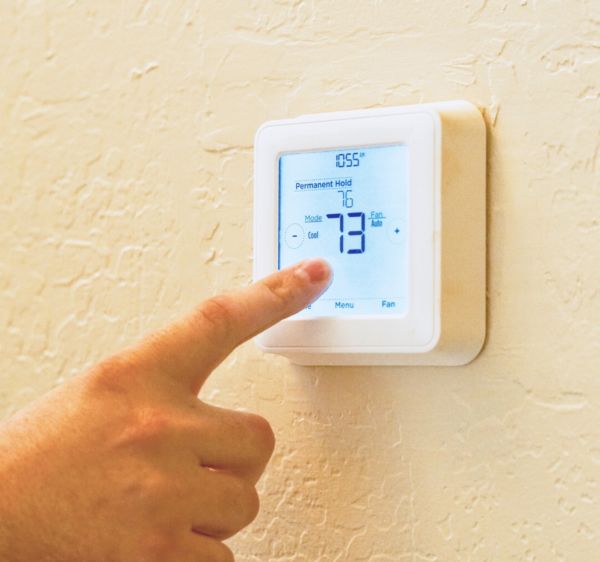
Basic thermostats control your home’s temperature manually. They are simple to use and cost between $15 and $40. Installation is usually easy and affordable. These thermostats suit homes without complex heating systems.
Programmable Thermostats
Programmable thermostats allow setting schedules for heating and cooling. They save energy by adjusting temperature automatically. Prices range from $40 to $100. Installation may cost more due to wiring and setup.
Smart Thermostats
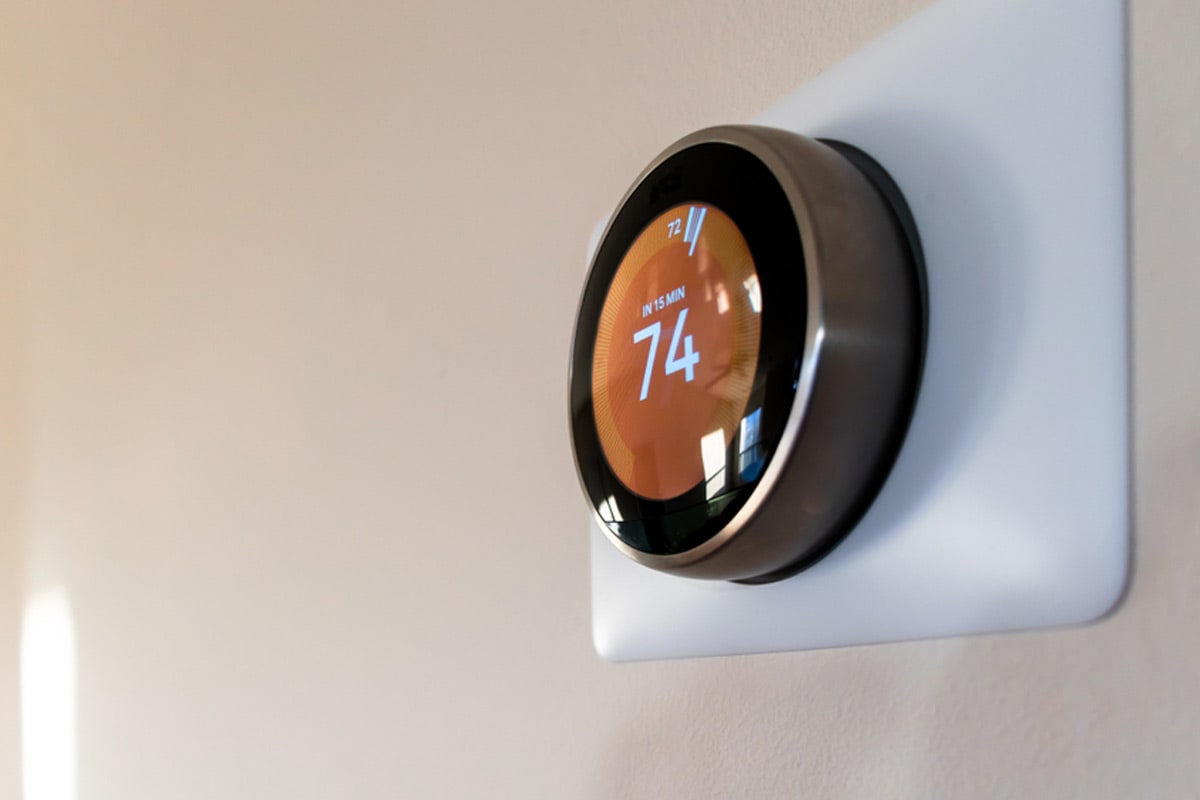
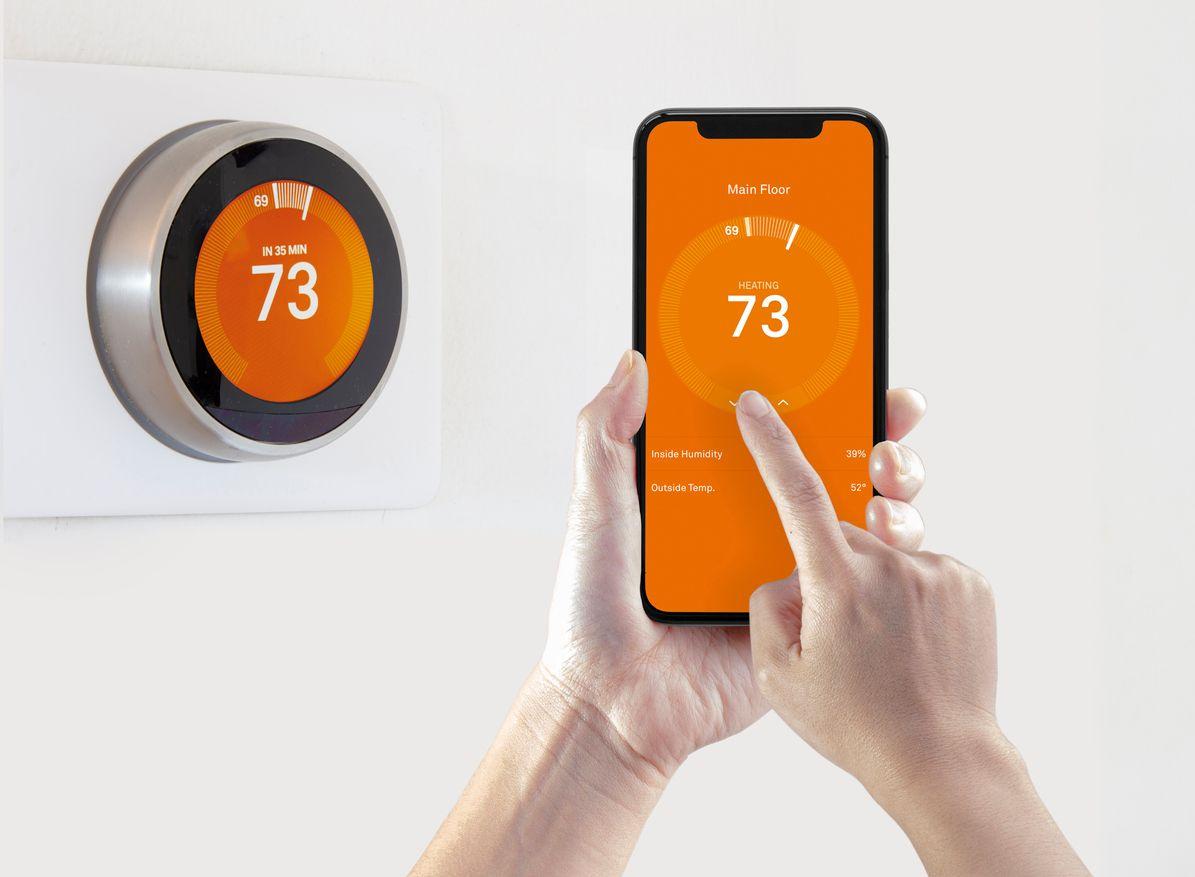
Smart thermostats connect to Wi-Fi and smartphones. They offer remote control and learning features. These models cost between $100 and $250. Installation may require a professional and can be pricier.
Specialty Thermostats
Specialty thermostats work with unique heating systems like radiant floors. Prices vary widely, from $100 to over $300. Installation often needs expert handling due to system complexity.
Installation Cost Factors
Several factors affect the cost to install a thermostat. Understanding these can help you plan your budget better. Each factor plays a role in the final price you pay for installation.
Labor Charges
Labor costs vary by region and technician experience. Skilled professionals may charge more but ensure proper installation. Some companies charge a flat fee, while others bill hourly. Installation usually takes one to two hours.
Complexity Of Installation
Simple installations cost less than complex ones. Older homes might need extra wiring or upgrades. Installing smart thermostats can require more time and skills. The complexity directly increases labor and material costs.
Location And Accessibility
The thermostat’s location affects installation difficulty. Hard-to-reach spots require more time and effort. Installing on higher floors or behind walls adds to the cost. Easy access usually means quicker, cheaper installation.
Additional Equipment Needed
Some installations need extra parts like adapters or new wiring. Upgrading to a smart thermostat might require a Wi-Fi module. New equipment adds to the overall price. Knowing needed parts upfront helps avoid surprise costs.
Diy Vs Professional Installation
Deciding between doing a thermostat installation yourself or hiring a professional is important. Both options have different costs, risks, and benefits. Understanding these can help you make the best choice for your home and budget.
Pros And Cons Of Diy
DIY thermostat installation saves money on labor. You only pay for the thermostat device. It can be a quick project with basic tools and instructions.
DIY risks include incorrect wiring or setup. This may cause the thermostat to fail or damage your system. It can void the warranty or lead to extra repair costs. Some models need special skills or knowledge.
When To Hire A Pro
Hire a professional if your thermostat needs wiring to complex HVAC systems. Call a pro for models with smart features or multiple zones. Professionals ensure correct installation and system safety. They also offer warranties on their work. If you are unsure or uncomfortable, a pro is the safer choice.
Cost Comparison
DIY installation costs usually range from $20 to $100. This covers the thermostat price and possible tools. Professional installation typically costs between $100 and $300. The price depends on the job complexity and location. Paying for a pro can avoid costly mistakes and save time.
Energy Savings And Long-term Benefits
Installing a thermostat offers more than just temperature control. It can save energy and reduce costs over time. Choosing the right thermostat helps your home run more efficiently. This leads to lower energy use and smaller utility bills.
Efficiency Improvements
Thermostats help maintain steady temperatures. They avoid overheating or overcooling your home. This cuts down energy waste. Programmable models adjust settings based on your daily routine. This means heating or cooling only runs when needed. The result is better energy use and less strain on your HVAC system.
Impact On Utility Bills
Energy savings from a thermostat show up on your bills. You pay less for electricity or gas each month. Small changes in temperature settings can add up. Over time, these savings can cover the cost of installing the thermostat. A well-managed system means fewer surprises in your monthly costs.
Check Best Thermostat Pricing in Amazon
** As an Amazon Associate, I earn from qualifying purchases.
Smart Thermostat Features
Smart thermostats offer extra benefits. They learn your habits and adjust automatically. Many models connect to your phone for remote control. You can check and change settings from anywhere. Some smart thermostats show energy reports. These insights help you find more ways to save. Voice control and integration with home assistants add convenience too.
Common Installation Challenges
Installing a thermostat can seem simple but often comes with challenges. These challenges can affect the time and cost of installation. Understanding common problems helps prepare for a smooth process.
Wiring Issues
Old homes may have outdated wiring that does not fit new thermostats. Incorrect or missing wires cause the thermostat to malfunction. Sometimes, wires are fragile or hidden behind walls. This makes installation tricky and may require extra work. A professional can check wiring before starting installation.
Compatibility Problems
Not all thermostats work with every heating or cooling system. Some models need specific power sources or control signals. Using a thermostat that does not match your system leads to poor performance. Check the thermostat’s specifications to ensure it fits your HVAC system.
System Upgrades
Installing a new thermostat may reveal the need for system upgrades. Older heating and cooling units might not support smart thermostat features. Upgrading your system can increase comfort and efficiency but adds to the cost. Sometimes, upgrades are required to connect the thermostat properly.
Regional Cost Variations
Thermostat installation costs vary across different regions. Prices depend on where you live and local factors. Understanding these differences helps plan your budget better. This section explores key regional cost variations.
Urban Vs Rural Pricing
Urban areas often have higher prices for thermostat installation. More demand and higher living costs raise service fees. In rural areas, prices may be lower but fewer technicians are available. Travel time for contractors can increase costs in remote places.
Seasonal Demand Effects
Costs can change with the seasons. During extreme weather, more people want thermostat services. This higher demand can cause price spikes. Off-season months usually offer better rates and quicker service appointments.
Local Contractor Rates
Contractor rates differ widely from place to place. Some cities have more competition, lowering prices. Others have fewer technicians, leading to higher fees. Always check local prices and reviews before hiring.
Tips To Save On Installation
Installing a thermostat can cost more than expected. Saving on installation lowers your total expense. Small choices make a big difference. Here are simple tips to help you save money on thermostat installation.
Choosing The Right Thermostat
Select a thermostat that fits your home and needs. Basic models cost less to install. Smart thermostats offer features but may increase installation fees. Check compatibility with your HVAC system to avoid extra work. A suitable choice reduces surprises in price.
Scheduling Off-season
Plan installation during off-peak times. HVAC professionals have fewer jobs in spring or fall. They may offer discounts or lower rates then. Avoid busy winter or summer months. Your appointment will be quicker and cheaper.
Exploring Rebates And Incentives
Look for local or federal rebates on thermostat purchases. Energy companies often provide incentives for energy-saving devices. These programs can cover part of installation costs. Submit required documents promptly to benefit from offers.
Credit: homeguide.com
Credit: www.hvac.com
Frequently Asked Questions
How Much Does Professional Thermostat Installation Cost?
Professional thermostat installation typically costs between $100 and $300. The price varies based on the thermostat type and complexity of wiring. Additional fees may apply for smart thermostats or HVAC system upgrades.
What Factors Affect Thermostat Installation Price?
Installation costs depend on thermostat model, wiring complexity, and labor rates. Smart thermostats usually cost more to install than basic models. Home electrical compatibility and location accessibility also influence the final price.
Can I Install A Thermostat Myself To Save Money?
Yes, DIY installation is possible for basic thermostats. However, smart models or complex systems may require professional help. Incorrect installation can cause system damage and increase overall costs.
Are Smart Thermostats More Expensive To Install?
Smart thermostats generally have higher installation costs due to advanced features. They may require additional wiring or system compatibility checks. The benefits often outweigh the initial installation expense.
Conclusion
Installing a thermostat costs vary based on model and labor. Basic models are cheaper, smart ones cost more. Professional installation adds to the total price. Choosing the right thermostat can save energy and money. Always check local electrician rates before deciding.
A good thermostat improves home comfort and control. Understanding costs helps you plan your budget better. Small investment leads to long-term savings and convenience. Think about your needs and home setup first. This way, you make a smart, informed choice.
Check Best Thermostat Pricing in Amazon
** As an Amazon Associate, I earn from qualifying purchases.