
Check Best Thermostat Pricing in Amazon
** As an Amazon Associate, I earn from qualifying purchases.
Have you ever wondered how your shower water stays at the perfect temperature without sudden bursts of hot or cold? That’s where a thermostatic mixing valve comes in.
This small but powerful device controls the mix of hot and cold water, keeping your experience safe and comfortable. Understanding how it works can help you appreciate the technology behind your everyday comfort—and even spot problems before they start. Keep reading, and you’ll discover the simple science that makes your water just right every time.
Basics Of Thermostatic Mixing Valves
Thermostatic mixing valves control water temperature for safety and comfort. They mix hot and cold water to deliver a steady, safe temperature. These valves help avoid burns and scalds in homes and buildings. Understanding how they work starts with knowing their basics.
Purpose And Benefits
Thermostatic mixing valves keep water at a safe temperature. They prevent sudden hot water bursts. This protects children, elderly, and anyone at risk of burns. These valves also save energy by reducing hot water use. They improve comfort by keeping water temperature steady. Maintenance becomes easier as valves reduce wear on plumbing.
Key Components
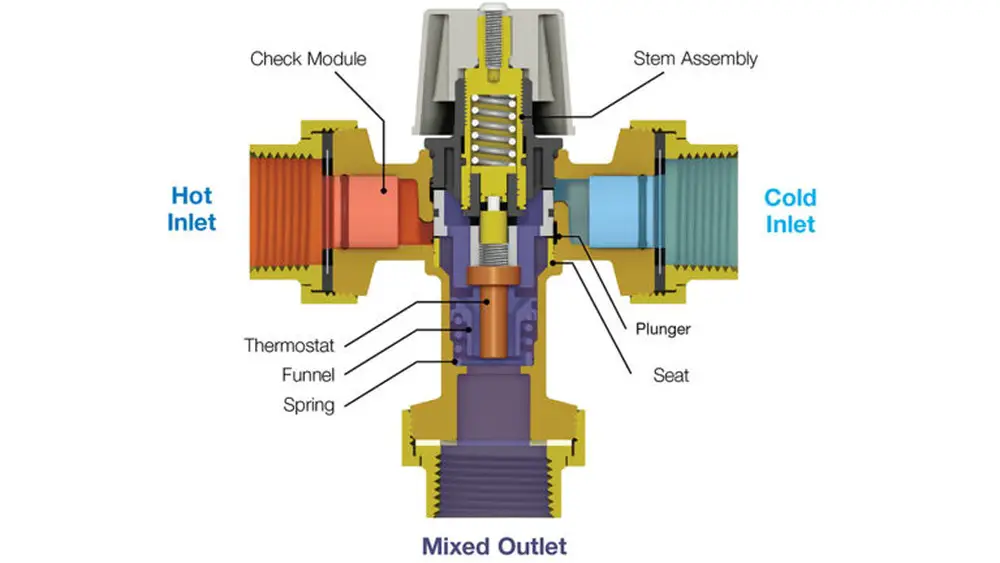
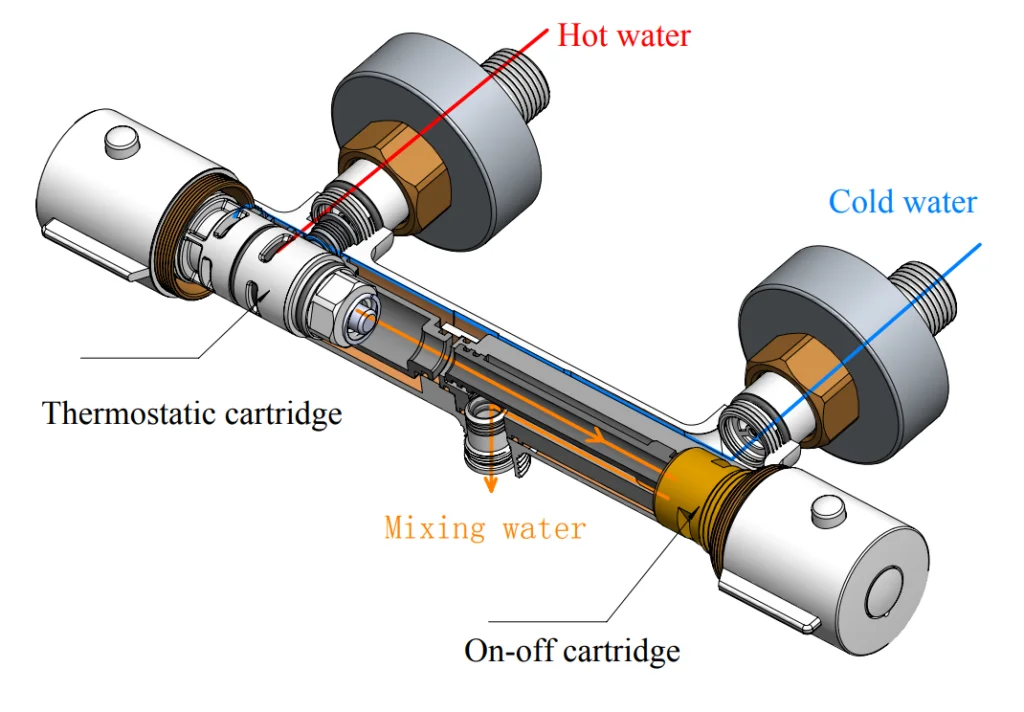
A thermostatic mixing valve has three main parts. The thermostatic element senses water temperature. It expands or contracts to adjust water flow. The hot and cold water inlets bring water to mix. The valve body controls the mix and water output. A spring or piston helps balance the temperature. These parts work together to keep water safe and steady.
How Thermostatic Mixing Valves Operate
Thermostatic mixing valves control water temperature to keep it safe and comfortable. They mix hot and cold water precisely. This keeps water from being too hot or too cold. These valves work continuously to maintain a steady temperature.
Understanding how these valves operate helps explain their importance in homes and buildings. Their design ensures water temperature stays consistent despite changes in water pressure or temperature.
Temperature Regulation Mechanism
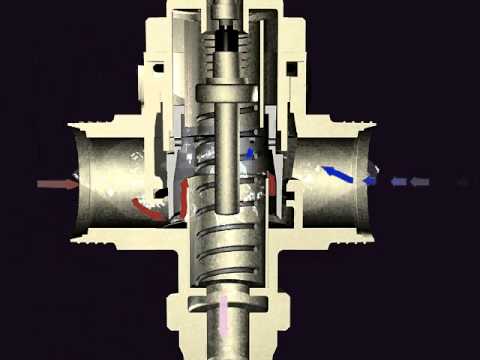
The valve contains a special thermostat inside. It senses the water temperature in real-time. When water is too hot, the thermostat reduces hot water flow. When water is too cold, it increases hot water flow. This balance keeps the water at the set temperature.
A spring or wax element usually controls this thermostat. It expands or contracts as temperature changes. This movement adjusts the valve’s position, mixing more or less hot water. The result is a constant, safe temperature output.
Response To Temperature Changes
When hot water temperature rises, the valve reacts quickly. It restricts hot water and adds more cold water. If cold water temperature drops, the valve allows more hot water. These adjustments happen within seconds.
The valve keeps water temperature stable even during pressure shifts. This prevents sudden hot water bursts or cold water shocks. It ensures user safety and comfort at all times.
Types Of Thermostatic Mixing Valves
Thermostatic mixing valves come in different types. Each type serves specific needs and settings. Choosing the right valve ensures safe and steady water temperature. Below are the main types of thermostatic mixing valves.
Standard Valves
Standard valves are the most common type. They mix hot and cold water to a set temperature. These valves react quickly to temperature changes. They keep water safe in homes and small buildings. Easy to install and maintain, they suit everyday use.
High-performance Valves
High-performance valves offer precise temperature control. They handle high water flow without losing stability. Ideal for larger buildings and busy places. These valves prevent sudden temperature spikes effectively. Built to last with durable materials.
Specialty Valves
Specialty valves meet unique needs. Some are designed for medical or industrial use. Others work with low water pressure or special fluids. They ensure safety and comfort in specific conditions. Often custom-made for certain environments.
Credit: thermoz.com.au
Installation And Placement Tips
Installing a thermostatic mixing valve (TMV) correctly ensures safe and consistent water temperature. Proper placement helps the valve work efficiently and protects users from scalding. Understanding where and how to install the valve is key for best results.
Ideal Locations
Place the TMV close to the water heater or boiler. This spot allows quick mixing of hot and cold water. Installing near the main water supply helps control temperature for the whole building.
Bathrooms and kitchens benefit from TMVs near sinks and showers. This setup provides safe water for daily use. In large buildings, place valves at each floor or zone for better control.
Common Installation Mistakes
Installing the valve too far from the water source causes delays in temperature control. Avoid placing it where pipes are exposed to freezing temperatures. This can damage the valve and pipes.
Check Best Thermostat Pricing in Amazon
** As an Amazon Associate, I earn from qualifying purchases.
Incorrect pipe connections can cause water flow issues. Make sure hot and cold water lines connect to the right valve inlets. Failing to flush pipes before installation can lead to dirt blocking the valve.
Maintenance And Troubleshooting
Thermostatic mixing valves need care to work well. Regular upkeep keeps water temperature safe and steady. Troubleshooting helps fix issues fast, avoiding bigger problems. Understanding simple maintenance and common problems saves time and money.
Regular Maintenance Tasks
Check the valve every six months for dirt or buildup. Clean the valve by flushing it with clean water. Replace worn parts like washers or seals to stop leaks. Test the water temperature to ensure it stays steady. Lubricate moving parts lightly to keep them smooth. Keep the valve area dry and free of dust.
Common Issues And Fixes
The water may be too hot or too cold. Adjust the valve’s temperature setting carefully. If water flow is low, clean blocked screens or filters. Leaks often come from damaged seals—replace them quickly. Strange noises can mean worn parts; inspect and replace. If the valve sticks, clean it and lubricate parts.
Credit: www.youtube.com
Applications Across Different Settings
Thermostatic mixing valves control water temperature by blending hot and cold water. This ensures safe, consistent temperatures. These valves find use in many places. Their ability to prevent scalding and maintain comfort makes them popular across settings.
Residential Use
Homes use thermostatic mixing valves to protect family members. They keep water at a safe temperature for showers and baths. This stops burns, especially for children and elderly people. The valves also save energy by avoiding overheating.
Commercial Use
Businesses install these valves in kitchens and restrooms. They help meet safety rules for hot water. Restaurants, hotels, and schools rely on them. The valves keep water comfortable for many users. They reduce the chance of accidents with hot water.
Healthcare Facilities
Hospitals and clinics need strict water temperature control. Thermostatic valves prevent scalds for patients and staff. They support hygiene by ensuring proper water temperature for cleaning. These valves increase safety in sensitive areas. Patient care improves with reliable water temperature control.
Safety And Compliance Standards
Safety and compliance are key for thermostatic mixing valves. These valves control water temperature to prevent burns. Proper standards ensure they work well and protect users. Following safety rules helps avoid accidents in homes and workplaces. Compliance also means the valves meet legal and industry demands.
Industry Regulations
Thermostatic mixing valves must meet strict industry rules. These rules vary by country but focus on safety. They set limits on water temperature and valve performance. Regulators require valves to keep water below scalding levels. This protects children, elderly, and disabled people. Manufacturers must design valves that follow these laws.
Testing And Certification
Testing ensures valves work as designed and stay safe. Independent labs check valves for temperature control and durability. Certified valves have passed these important tests. Certification marks show buyers the valve is trustworthy. Regular testing keeps valves reliable over time. It also helps meet insurance and building codes.

Credit: www.youtube.com
Frequently Asked Questions
What Is The Main Function Of A Thermostatic Mixing Valve?
A thermostatic mixing valve blends hot and cold water to deliver safe, consistent temperatures. It prevents scalding and thermal shock in plumbing systems.
How Does A Thermostatic Mixing Valve Maintain Temperature?
It uses a temperature-sensitive element that expands or contracts to adjust water flow. This keeps the output water temperature steady despite input changes.
Where Are Thermostatic Mixing Valves Commonly Installed?
They are often installed in showers, sinks, and water heaters. This ensures safe water temperature and protects users from burns.
Can Thermostatic Mixing Valves Improve Energy Efficiency?
Yes, they optimize hot water use by mixing only the needed temperature. This reduces energy waste and lowers heating costs.
Conclusion
A thermostatic mixing valve keeps water temperature safe and steady. It blends hot and cold water to avoid burns. This valve helps save energy by using just the right heat. Many homes and buildings use it for comfort and safety.
Understanding how it works can help you make smart choices. Simple, reliable, and useful—this valve protects your family every day.
Check Best Thermostat Pricing in Amazon
** As an Amazon Associate, I earn from qualifying purchases.