
Check Best Thermostat Pricing in Amazon
** As an Amazon Associate, I earn from qualifying purchases.
Have you ever noticed your heating or cooling system acting up and wondered if your thermostat might be the problem? A bad thermostat can cause your home to feel uncomfortable, raise your energy bills, and even damage your HVAC system over time.
But how can you tell if your thermostat is really the culprit? If you want to avoid costly repairs and keep your home cozy, it’s important to spot the warning signs early. Keep reading to find out the simple ways to identify a faulty thermostat and what you can do about it before things get worse.

Credit: www.youtube.com
Common Thermostat Issues
Thermostats control your home’s temperature. When they fail, discomfort follows. Knowing common thermostat issues helps spot problems early. This guide covers key signs to watch for.
Inconsistent Temperature
Temperature changes in your home feel random or uneven. Rooms might be too hot or too cold. Your thermostat may not read the temperature right. This causes heating or cooling to turn on at wrong times.
No Response To Adjustments
Changing the thermostat setting does not affect the temperature. The system stays the same despite your commands. This means the thermostat might be broken or stuck. It fails to send the right signals to the heater or AC.
Frequent Cycling
The heating or cooling system turns on and off too often. This rapid cycling wastes energy and strains the system. The thermostat may be misreading the temperature. It causes the system to work harder than needed.
Display Problems
The thermostat screen is blank, flickering, or shows strange characters. Buttons or touch controls might not work properly. This makes it hard to control your home’s temperature. Display issues often point to power or internal faults.
Impact On Heating And Cooling
The thermostat plays a key role in keeping your home comfortable. It controls when the heating and cooling systems turn on or off. A bad thermostat can cause problems that affect how well your HVAC system works. These issues often show up in uneven temperatures and strange system behavior. Below are signs that your thermostat might be causing trouble.
Uneven Room Temperatures
Some rooms feel too hot while others stay cold. The thermostat may not sense the right temperature. It might turn the system on or off too early or too late. This causes parts of the house to be uncomfortable. Checking the thermostat can help find this problem.
System Running Constantly
The heating or cooling runs all day without stopping. A faulty thermostat might not tell the system to turn off. This wastes energy and raises utility bills. It can also wear out the HVAC system faster. A quick test of the thermostat can show if it is the cause.
Short Cycling Of Hvac
The system turns on and off very quickly and often. This is called short cycling. A bad thermostat can send wrong signals to the HVAC unit. Short cycling harms the system and lowers its efficiency. It also leads to uneven temperatures and higher energy use.
Troubleshooting Steps
Troubleshooting your thermostat can help find problems fast. It saves time and money. Start with simple steps before calling a professional. These checks often fix common thermostat issues.
Check Thermostat Settings
Look at the thermostat display. Make sure it is set to the right mode. Heating or cooling should match your needs. Check the temperature setting. It should be higher for heat and lower for cooling. Wrong settings can cause the system to act oddly.
Inspect Batteries
Many thermostats use batteries for power. Dead batteries stop the thermostat from working. Open the thermostat cover to find the battery compartment. Replace old batteries with fresh ones. This simple step often solves many problems.
Reset Thermostat
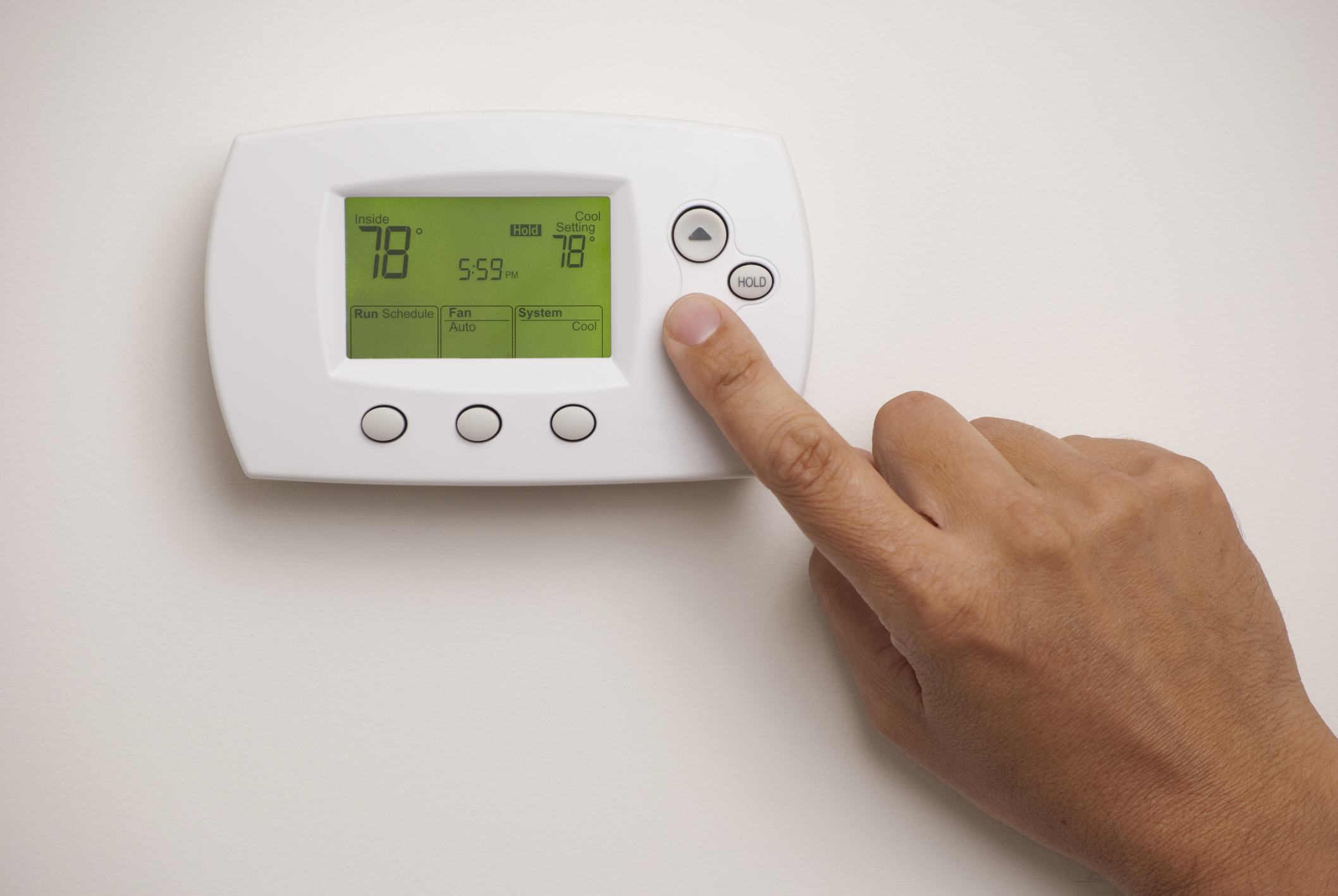
Resetting the thermostat can clear glitches. Find the reset button or switch. Press and hold it for a few seconds. The thermostat will restart. This can fix frozen displays or unresponsive controls. Resetting helps the device start fresh.
Test With A Different Thermostat
Testing with another thermostat confirms if the problem is the device. Borrow or buy a simple thermostat. Install it in place of your current one. See if the heating or cooling works correctly. If yes, your old thermostat might be faulty.
Check Best Thermostat Pricing in Amazon
** As an Amazon Associate, I earn from qualifying purchases.
Credit: www.gopreferred.com
When To Replace Your Thermostat
Knowing when to replace your thermostat can save you money and improve home comfort. A thermostat controls your heating and cooling system. It also affects energy use and overall system health. Watch for signs that your thermostat is failing or outdated. Timely replacement keeps your HVAC running smoothly and efficiently.
Age And Wear
Thermostats do not last forever. Most last about 10 years. Older thermostats may lose accuracy. Wear and tear can cause them to malfunction. If your thermostat is over 10 years old, consider replacement. A worn thermostat may cause uneven temperatures. It may also fail to turn your system on or off properly.
Compatibility With Hvac System
New HVAC systems often need modern thermostats. Older thermostats may not work with newer models. Compatibility issues can cause poor system performance. Some thermostats cannot control advanced heating or cooling features. Check if your thermostat supports your HVAC system’s technology. Upgrading ensures your system runs correctly and efficiently.
Energy Efficiency Concerns
Old thermostats use more energy. They may not manage your system well. Smart thermostats adjust settings to save energy. They learn your schedule and reduce waste. Replacing an old thermostat can lower your energy bills. It also helps reduce your carbon footprint. Efficient thermostats keep your home comfortable without extra cost.
Benefits Of Upgrading
Upgrading your thermostat brings many benefits. It can make your home more comfortable and save you money. New thermostats offer smart features that old models lack. These features help control your home’s temperature better and use energy wisely.
Improved Comfort
A new thermostat keeps your home at the right temperature. It reacts faster to changes and avoids big swings in heat or cooling. You will feel more comfortable all day long. Some thermostats learn your schedule and adjust automatically.
Energy Savings
Modern thermostats use energy more efficiently. They reduce heating and cooling waste. This lowers your utility bills every month. You can set schedules to heat or cool only when needed. Saving energy also helps the environment.
Smart Thermostat Features
Smart thermostats connect to your phone or voice assistant. Control your home’s temperature from anywhere. Many models show energy use and tips to save more. Some detect when no one is home and adjust settings automatically.
Credit: discover.hubpages.com
Frequently Asked Questions
What Are Common Signs Of A Bad Thermostat?
Common signs include inconsistent temperature, frequent heating or cooling cycles, and no response to temperature changes. You may also notice your HVAC system running constantly or not turning on at all.
How Does A Faulty Thermostat Affect Home Comfort?
A faulty thermostat causes uneven temperatures and discomfort. It may lead to rooms being too hot or too cold, impacting your overall home comfort and energy efficiency.
Can A Bad Thermostat Increase Energy Bills?
Yes, a malfunctioning thermostat can cause your HVAC system to run longer than necessary. This extra operation increases energy consumption and leads to higher utility bills.
How Can I Test If My Thermostat Is Working?
You can test by adjusting the temperature setting and listening for the HVAC system to activate. If there’s no response or delay, the thermostat might be faulty.
Conclusion
A bad thermostat can cause many problems at home. It may make your heating or cooling stop working well. Strange temperatures or no response are clear signs. Fixing or replacing it early saves money and stress. Keep an eye on how your system feels daily.
A working thermostat keeps your home comfortable and your energy bills low. Don’t wait until it gets worse. Check it often and act fast to stay cozy year-round. Simple steps make a big difference.
Check Best Thermostat Pricing in Amazon
** As an Amazon Associate, I earn from qualifying purchases.