
Check Best Thermostat Pricing in Amazon
** As an Amazon Associate, I earn from qualifying purchases.
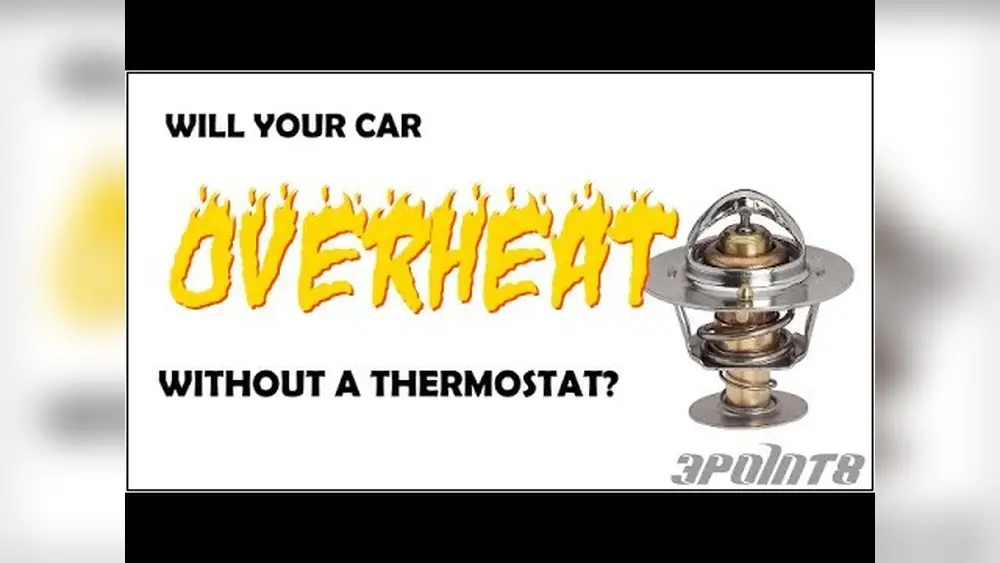
Have you ever wondered what happens if you run your vehicle without a thermostat? It’s a question that might cross your mind if your car is overheating or if you’re curious about how your engine’s cooling system works.
Your vehicle’s thermostat plays a crucial role in keeping the engine at the right temperature. But what if it’s removed or broken? Can your car still run safely? Keep reading to discover the surprising answers and learn how this tiny part can make a big difference in your vehicle’s performance and health.
Role Of A Thermostat In Vehicles
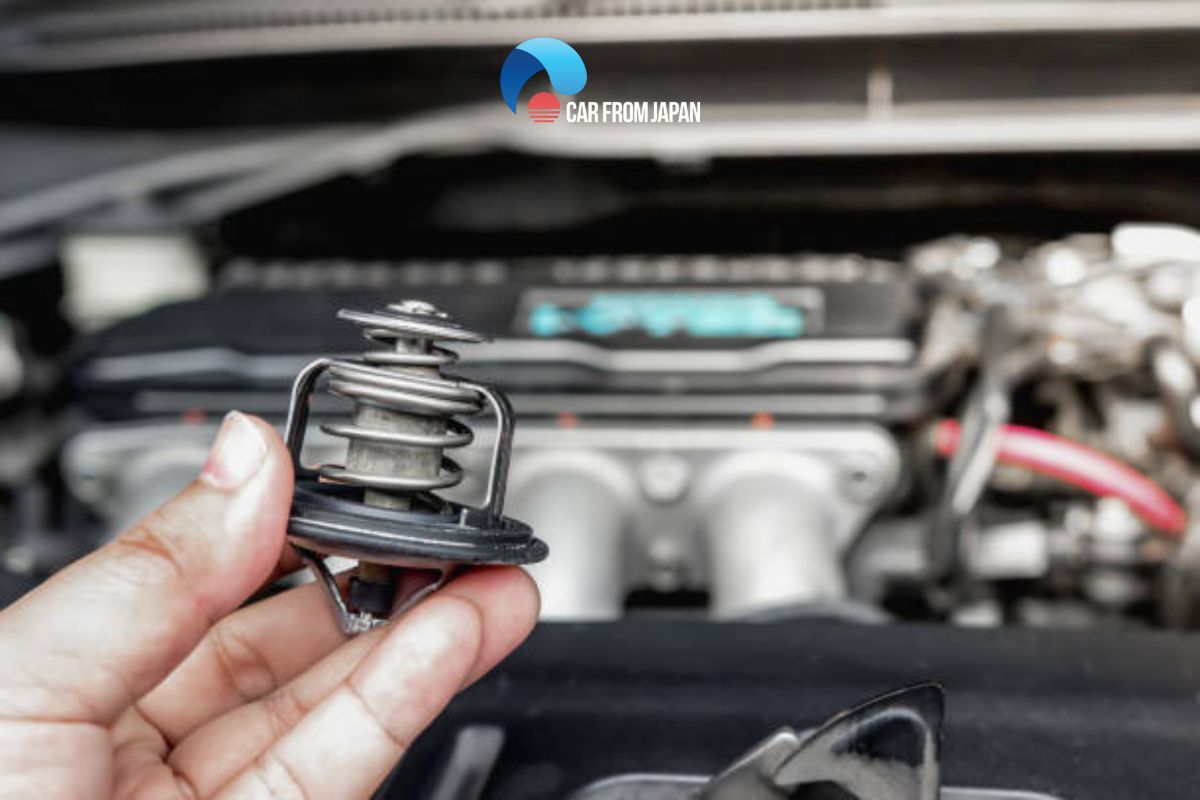
The thermostat in a vehicle controls the engine’s temperature. It helps the engine warm up quickly and keeps it running at the right heat. Without this part, the engine might get too cold or too hot. Both can cause problems and damage the engine over time.
The thermostat works like a gate. It opens and closes to let coolant flow through the engine. This keeps the temperature steady and protects the engine parts. It plays a key role in how well the vehicle runs every day.
Temperature Regulation
The thermostat controls the engine’s heat by opening when the engine gets hot. It lets coolant flow to cool the engine down. When the engine is cold, the thermostat stays closed. This helps the engine warm up faster. Proper temperature keeps the engine safe and working well.
Engine Efficiency
Engines work best at a certain temperature. The thermostat helps reach and keep this temperature. If the engine is too cold, it uses more fuel. Too hot, parts can wear out faster. The thermostat keeps the engine running smoothly and lasts longer.
Impact On Fuel Consumption
A working thermostat helps save fuel. When the engine is warm, it burns fuel better. Without a thermostat, the engine stays cold longer. This causes the fuel to burn less efficiently. Using more fuel means higher costs and more pollution.
What Happens Without A Thermostat
Removing the thermostat from a vehicle affects how the engine manages heat. The thermostat controls the engine temperature by regulating coolant flow. Without it, several changes happen that affect engine performance and comfort. Understanding these changes helps you see why the thermostat matters.
Continuous Coolant Flow
Without a thermostat, coolant flows constantly through the engine. This stops the engine from reaching its ideal operating temperature quickly. The coolant never stays still to warm up the engine. This constant flow keeps the engine cooler than it should be.
Delayed Engine Warm-up
The engine takes longer to warm up without a thermostat. The vehicle may feel cold for a longer time after starting. This delay uses more fuel and increases engine wear. Engines run best at specific temperatures, which the thermostat helps maintain.
Effect On Heater Performance
The heater inside the car depends on hot coolant from the engine. Without a thermostat, the coolant stays cooler, so the heater works less effectively. You may notice weak or no heat inside the cabin during cold weather. A thermostat keeps the heater running well by controlling engine temperature.
Risks Of Running Without A Thermostat
Running a vehicle without a thermostat can cause several problems. The thermostat controls the engine temperature by regulating coolant flow. Without it, the engine may not reach its ideal operating temperature. This can lead to damage and poor performance.
Increased Engine Wear
Engines need to warm up to work correctly. Without a thermostat, the engine runs too cold. Cold engines wear out faster. Parts like pistons and cylinders suffer more friction. This reduces the engine’s life span.
Potential Overcooling Issues
Without a thermostat, coolant flows constantly. This keeps the engine cooler than needed. Overcooling prevents the oil from reaching the right temperature. Cold oil does not lubricate well. This can cause engine parts to stick and wear.
Reduced Fuel Efficiency
Engines running too cold use more fuel. The fuel does not burn efficiently. This makes the engine work harder. The result is higher fuel consumption. Your vehicle’s mileage will drop noticeably.

Credit: www.youtube.com
Situations Where Removing Thermostat Occurs
Removing a vehicle’s thermostat is not common for everyday driving. Still, certain situations lead people to take it out. Understanding these cases helps explain why some choose to run their engines without this part. The thermostat controls engine temperature, but some drivers remove it for specific reasons. Each case has its own risks and benefits.
Check Best Thermostat Pricing in Amazon
** As an Amazon Associate, I earn from qualifying purchases.
Temporary Fixes
Sometimes, a thermostat breaks and causes the engine to overheat. Mechanics may remove it temporarily to keep the vehicle running. This allows the engine to cool without the thermostat blocking coolant flow. It is not a long-term solution. The engine may take longer to reach the right temperature. Drivers should replace the thermostat as soon as possible to avoid damage.
Off-road Or Racing Scenarios
Off-road vehicles and race cars face extreme conditions. Drivers may remove the thermostat to prevent overheating during intense use. Without the thermostat, coolant flows freely and cools the engine faster. This helps in hot or tough environments. Still, running without a thermostat can cause the engine to run too cold. This can reduce engine performance and cause wear over time.
Common Misconceptions
Many believe removing the thermostat improves engine cooling. Some think it fixes overheating instantly. This is not always true. Removing the thermostat can cause poor engine performance. The engine may not reach the right temperature to run efficiently. Thermostats help engines warm up quickly and maintain steady heat. Taking it out should be done only with good reason and care.
Alternatives And Solutions
Running a vehicle without a thermostat can cause engine problems. There are better ways to keep your engine at the right temperature. These alternatives and solutions help protect the engine and improve performance. They also prevent costly repairs in the future.
Upgrading Thermostat Quality
Using a high-quality thermostat helps control engine temperature well. Good thermostats open and close at exact temperatures. This keeps the engine from overheating or running too cold. Upgrading to a reliable thermostat improves engine life. It also reduces fuel consumption and emissions.
Regular Cooling System Maintenance
Checking the cooling system often keeps it working properly. Flush the radiator and replace old coolant on time. Inspect hoses and belts for cracks or leaks. Clean the radiator to improve airflow. Regular maintenance helps the system cool the engine better. It also stops small issues from becoming big problems.
Professional Diagnosis And Repair
Take your vehicle to a mechanic for a full inspection. Professionals can find hidden cooling system problems. They use tools to test the thermostat and radiator. Mechanics fix or replace faulty parts quickly. A proper repair keeps the engine safe and running well. Trusting experts saves money and stress later.
Credit: carfromjapan.com

Credit: www.mymromarts.com
Frequently Asked Questions
Can A Car Run Without A Thermostat Installed?
Yes, a car can run without a thermostat, but it may cause engine temperature issues. The engine might take longer to warm up and run inefficiently.
What Happens If The Thermostat Is Removed In A Vehicle?
Removing the thermostat causes constant coolant flow, leading to lower engine temperature. This can reduce fuel efficiency and increase emissions.
Is It Safe To Drive A Car Without A Thermostat?
Driving without a thermostat is generally unsafe for long periods. It can cause engine wear due to improper temperature regulation.
How Does No Thermostat Affect Engine Performance?
Without a thermostat, the engine may run cooler than optimal. This leads to poor fuel economy and higher engine emissions.
Conclusion
Running a vehicle without a thermostat can cause serious engine problems. The thermostat helps keep the engine at the right temperature. Without it, the engine may run too cold or too hot. This affects fuel efficiency and engine life. Short trips may feel fine, but long drives can lead to damage.
It is best to fix or replace a broken thermostat quickly. Taking care of your car’s cooling system protects your engine. Keep your vehicle healthy and avoid costly repairs.
Check Best Thermostat Pricing in Amazon
** As an Amazon Associate, I earn from qualifying purchases.