
Check Best Thermostat Pricing in Amazon
** As an Amazon Associate, I earn from qualifying purchases.
Are you thinking about upgrading or replacing your Honeywell thermostat but wondering if you can simply swap one model for another? You’re not alone.
Many homeowners face this question when trying to improve their home’s comfort without dealing with complicated installations or extra costs. Understanding whether Honeywell thermostats are interchangeable can save you time, money, and frustration. You’ll discover the key facts you need to know before making a switch, helping you make a smart choice for your home’s heating and cooling system.
Keep reading to find out how easy—or tricky—this process really is.
Honeywell Thermostat Types
Honeywell offers several thermostat types to fit different needs and homes. Each type works in a unique way and has different features. Understanding these types helps in choosing the right thermostat and knowing if they can be swapped.
Thermostats range from simple mechanical models to advanced smart versions. Each type plays a role in controlling your home’s temperature efficiently.
Mechanical Models
Mechanical thermostats are the oldest type. They use a dial or lever to set the temperature. Inside, a bimetallic strip reacts to heat and turns the system on or off. These models do not need batteries or electricity. They are simple and easy to use but lack precision.
Digital Models
Digital thermostats show the temperature on a screen. They use electronic sensors for better accuracy. Many have buttons to program daily heating and cooling schedules. These models often need batteries or power from the home. They offer more control and save energy compared to mechanical types.
Smart Thermostats
Smart thermostats connect to Wi-Fi and can be controlled by a phone or voice assistant. They learn your routine and adjust settings automatically. These models can save energy by turning off when no one is home. They offer remote control and detailed energy reports. Smart thermostats often require professional installation.

Credit: shop.energysmartnola.com
Compatibility Factors
Understanding the compatibility factors is key before swapping Honeywell thermostats. Not all models fit every heating or cooling system. Several technical details affect whether a thermostat can work properly in your home. Check these points carefully to avoid issues.
Wiring Requirements
Thermostats connect to your HVAC system through wires. Different models need different wire setups. Some Honeywell thermostats require a common wire, also called a C-wire, to power the device. Others work without it, using batteries instead. Confirm the number and type of wires your system has. Match that with the thermostat’s wiring needs for smooth installation.
Voltage Types
Thermostats run on specific voltage levels. Most residential systems use low voltage, around 24 volts. Some commercial or special systems use line voltage, which is higher. Honeywell offers models for both types. Installing a low voltage thermostat on a line voltage system can cause damage. Always verify the voltage type before choosing a new thermostat.
System Compatibility
Your heating and cooling system type matters too. Honeywell thermostats support gas, electric, oil, and heat pump systems. Each system controls temperature differently. Some thermostats only work with one system type. Others are versatile and support multiple systems. Check the thermostat specifications to ensure it matches your HVAC system’s design and functions.
Interchangeability Between Models
Honeywell offers many thermostat models. Some are simple mechanical types. Others are digital or smart thermostats. Knowing if these models fit in place of each other helps when upgrading or replacing. Interchangeability depends on wiring, size, and features. This section explains how different Honeywell thermostats work together.
Replacing Mechanical With Digital
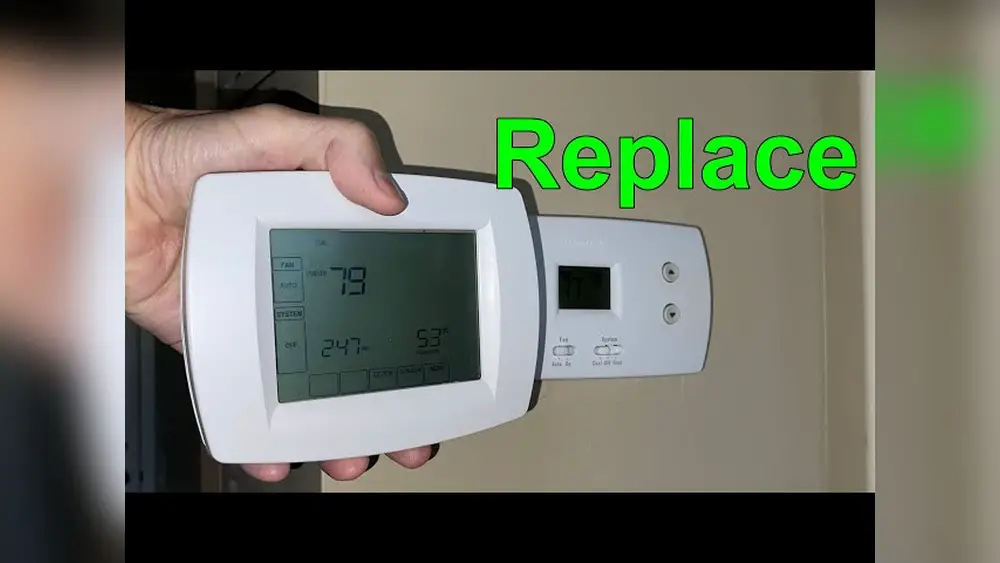
Mechanical thermostats use a dial to control temperature. Digital thermostats have a screen and buttons. Most Honeywell digital models can replace mechanical ones. Check the wiring first. Mechanical models usually have fewer wires. Digital thermostats may need more wires for power. Some digital thermostats work with common wire (C-wire). If no C-wire exists, a power adapter might be needed. Size also matters. Digital models often fit in the same wall plate space.
Upgrading To Smart Thermostats
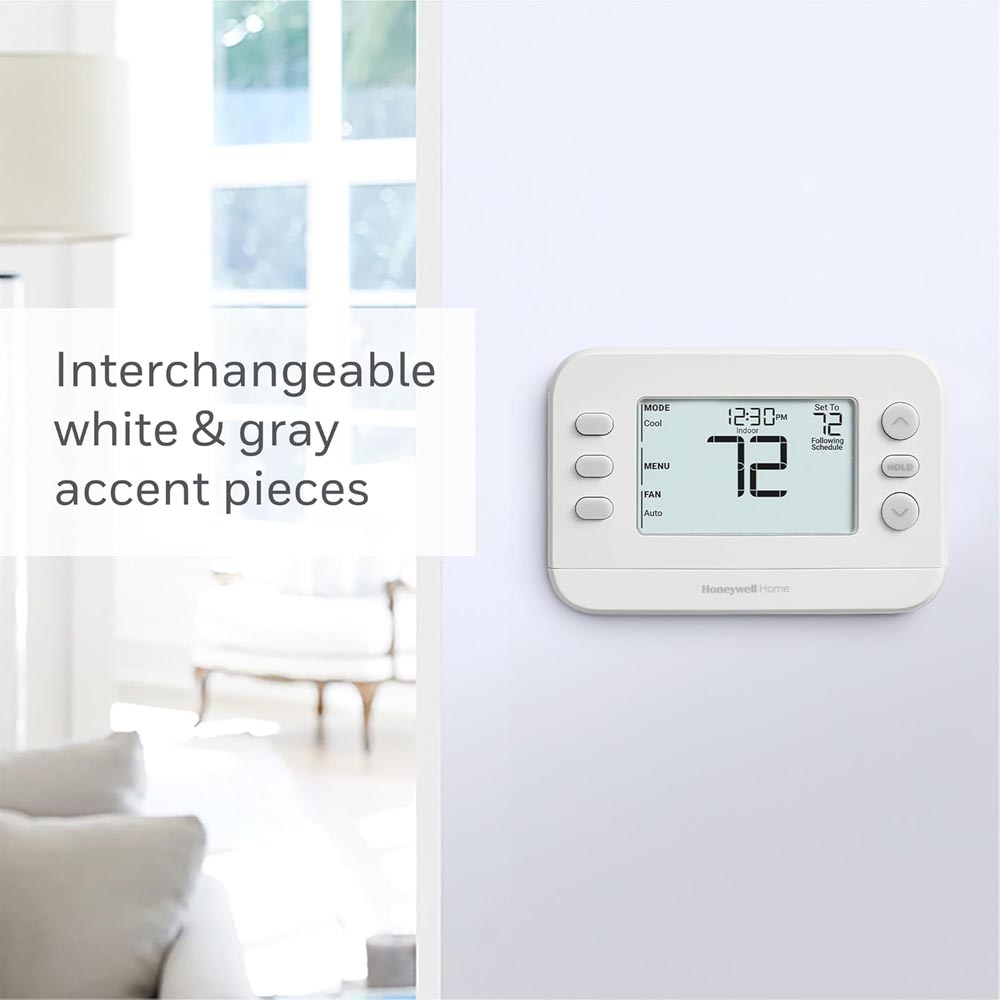
Smart thermostats connect to Wi-Fi and smartphones. Honeywell smart models offer better control and energy savings. Many smart thermostats replace older digital or mechanical models. Wiring must support the new device. C-wire is usually required for power. Some smart thermostats include adapters for homes without C-wire. Wall space and mounting holes may differ between models. Most smart thermostats come with detailed installation guides. They often fit standard wall plates or include adapters.
Cross-brand Compatibility
Honeywell thermostats mainly fit Honeywell systems. Some models also work with other brands. Compatibility depends on HVAC system type and wiring. Universal models support multiple systems, including heat pumps and gas furnaces. Cross-brand replacement requires checking wiring labels and system requirements. Using adapters or professional help may be needed. Non-Honeywell thermostats might not support all system features. For best results, match the thermostat with your HVAC system type and wiring setup.
Credit: www.honeywellstore.com
Installation Considerations
Installing a Honeywell thermostat involves several important steps. These steps ensure the new device works well with your heating and cooling systems. Paying attention to installation details helps avoid common problems. Understanding these considerations makes the process smoother and safer.
Wiring Adjustments
Different Honeywell thermostat models may need different wiring setups. Check the wires connected to your old thermostat first. Some newer models require extra wires for power or fan control. Label each wire before disconnecting to avoid confusion. Use the thermostat’s manual to match wires correctly. Incorrect wiring can cause the thermostat to malfunction.
Power Source Needs
Some Honeywell thermostats need a C-wire for constant power. Older homes may not have this wire available. Without a C-wire, the thermostat might lose power or reset often. Certain models include adapters or batteries to solve this issue. Verify your thermostat’s power needs before installation. Ensuring proper power helps the thermostat run smoothly.
Check Best Thermostat Pricing in Amazon
** As an Amazon Associate, I earn from qualifying purchases.
Professional Vs Diy
Installing a thermostat can be a simple or complex job. If you know basic wiring and tools, DIY installation is possible. Follow instructions carefully to avoid errors. If unsure, hiring a professional is safer and saves time. Professionals ensure correct wiring and setup. They can also troubleshoot any unexpected issues during installation.
Common Issues And Solutions
Honeywell thermostats are popular, but sometimes users face problems when swapping models. These issues can stop the thermostat from working well or fitting correctly. Knowing common problems helps fix them fast. Here are some usual issues and how to solve them.
Incompatible Wiring
Not all Honeywell thermostats use the same wiring. Some models need extra wires for power or features. Using a thermostat with different wiring can cause it not to work.
Check your current wiring and compare it with the new thermostat’s guide. Label the wires before removing the old thermostat. Use an adapter if needed to match wires. This helps avoid wiring mistakes.
Power Supply Problems
Thermostats need steady power. Some models use batteries, others draw power from your HVAC system. If the power supply is weak or missing, the thermostat won’t turn on or may reset often.
Test the batteries if your thermostat uses them. For wired thermostats, make sure the C-wire is connected. The C-wire gives constant power. If missing, consider adding one or use a power extender kit.
Connectivity Challenges
Smart Honeywell thermostats connect to Wi-Fi for remote control. Sometimes they fail to connect or lose signal. This stops app control and updates.
Place the thermostat near your router to boost signal. Restart the router and thermostat if connection fails. Double-check Wi-Fi password and settings. Sometimes updating the thermostat’s firmware fixes bugs.

Credit: clecomarketplace.com
Tips For Choosing The Right Thermostat
Choosing the right thermostat is important for comfort and energy savings. The right thermostat fits your heating and cooling system. It also matches your daily needs and budget. Understanding key factors helps you pick the best one.
Assessing Your Hvac System
Check what type of HVAC system you have. Some thermostats work with gas, electric, or heat pump systems. Note the number of wires your system uses. This affects thermostat compatibility. Knowing your system’s setup avoids installation problems.
Feature Prioritization
Decide which features matter most to you. Basic thermostats control temperature manually. Smart thermostats offer remote control and scheduling. Some models learn your habits to save energy. Focus on features that improve your comfort and convenience.
Budget Considerations
Set a clear budget before shopping. Simple thermostats cost less but have fewer features. Advanced models may save money on energy bills over time. Balance cost with the benefits each thermostat offers. Spend wisely for the best value.
Frequently Asked Questions
Are Honeywell Thermostats Interchangeable Between Models?
Honeywell thermostats are not always interchangeable. Compatibility depends on wiring, system type, and features. Always check model specifications before swapping.
Can I Replace My Honeywell Thermostat With Any Model?
No, not all Honeywell models fit every system. Verify your HVAC compatibility and wiring requirements to ensure proper replacement.
Do Honeywell Thermostats Share The Same Wiring Connections?
Wiring connections vary by model. Some share common terminals, but many require specific wiring. Consult the manual before installation.
Is Programming The Same Across All Honeywell Thermostats?
Programming differs between models. Basic models have simple controls; smart thermostats offer advanced features. Review user guides for accurate setup.
Conclusion
Honeywell thermostats may fit in some places but not all. Check model numbers before swapping one for another. Wiring and features can differ a lot. Using the wrong thermostat can cause issues with your heating or cooling. Always read the manual carefully.
When unsure, ask a professional for help. Choosing the right thermostat keeps your home comfortable and saves energy. Small steps like this make a big difference. So, take time to select the correct Honeywell thermostat for your system. It will work better and last longer.
Check Best Thermostat Pricing in Amazon
** As an Amazon Associate, I earn from qualifying purchases.